

In today’s global drinkware market, glass cups are no longer just functional vessels—they represent quality, safety, aesthetics, and sustainability. As consumer expectations continue to rise, businesses must understand how glass cup materials, the glass cup manufacturing process, the advantages of borosilicate glass cups, the flexibility of custom glass cup OEM, and the importance of sustainable glass cup production all come together to define modern glassware success.
This article explores each of these elements in depth, helping brands, retailers, and sourcing professionals make informed decisions when developing or expanding their glass cup product lines.
Understanding Glass Cup Materials
The foundation of any high-quality drinkware begins with the selection of glass cup materials. These materials determine not only the appearance of the final product but also its durability, thermal resistance, and overall usability.
Common glass cup materials include soda-lime glass, borosilicate glass, and lead-free crystal. Soda-lime glass is widely used due to its cost-effectiveness, while borosilicate glass is preferred for its superior resistance to heat and thermal shock. Premium applications may use refined glass cup materials that offer enhanced clarity and brilliance.
Choosing the right glass cup materials is critical for ensuring product performance across different use cases, such as hot beverages, cold drinks, or decorative purposes. Manufacturers carefully evaluate glass cup materials based on their chemical composition, melting point, and compatibility with production processes.
For brands targeting high-end markets, investing in advanced glass cup materials can significantly improve product value and customer perception.
The Glass Cup Manufacturing Process Explained
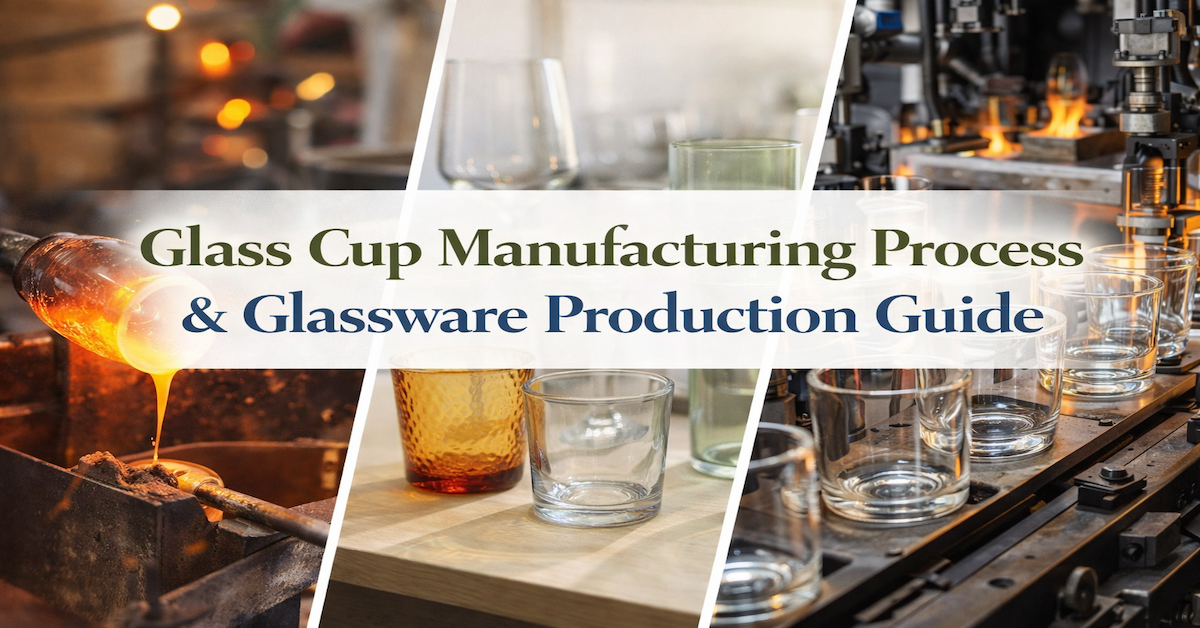
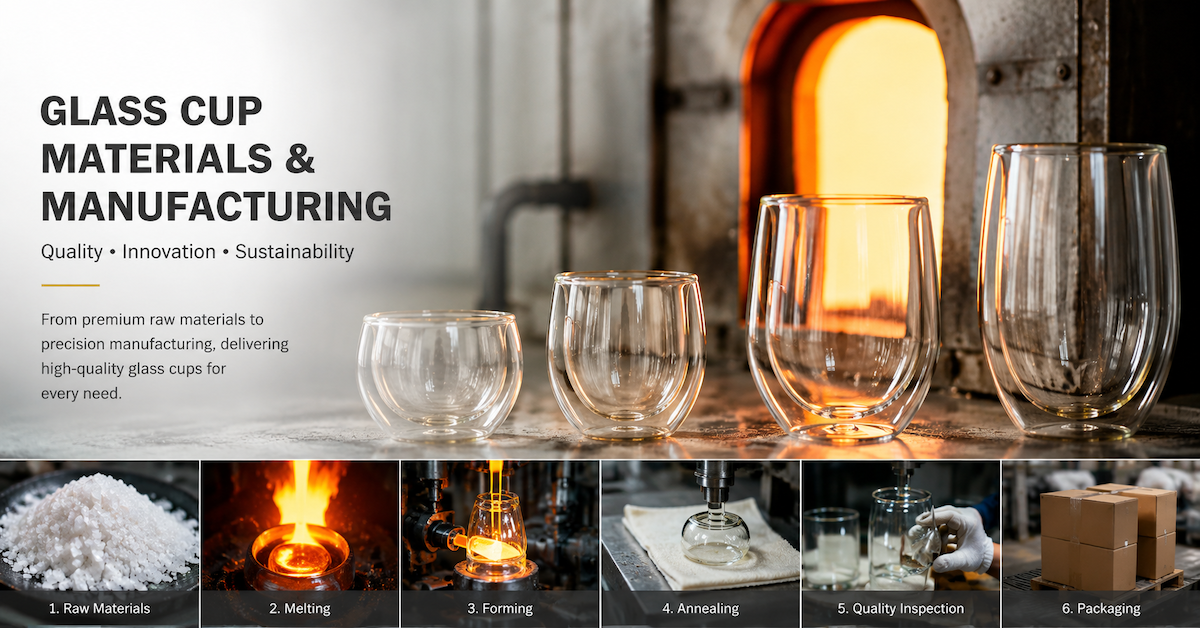
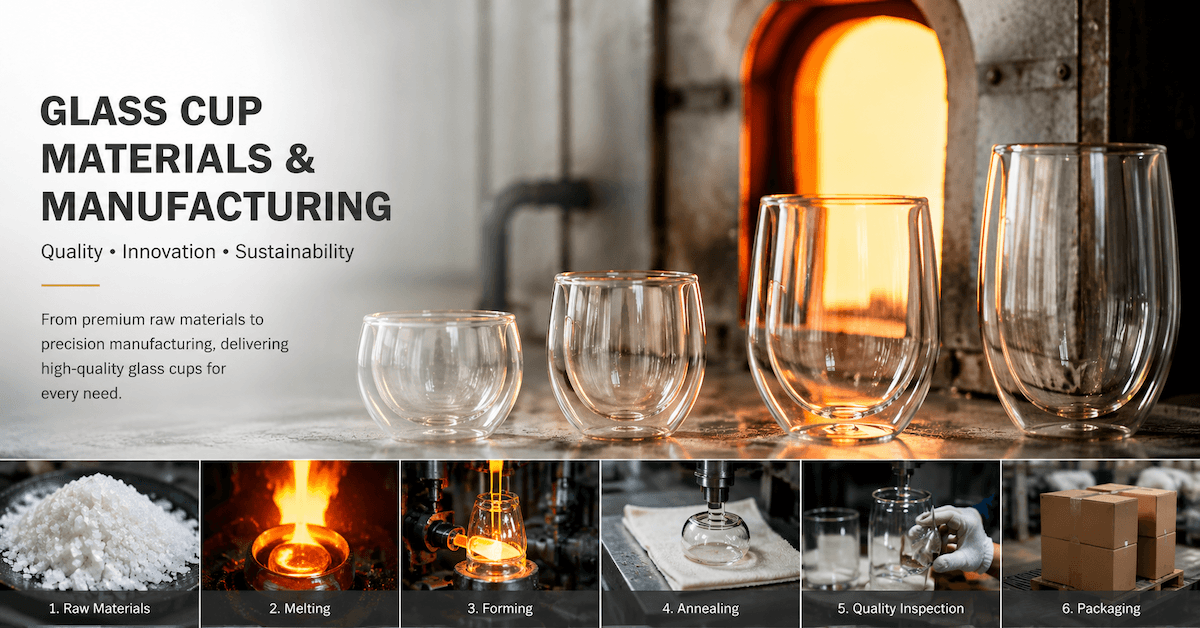
The glass cup manufacturing process is a sophisticated sequence of steps that transforms raw materials into finished drinkware. It begins with batching, where selected glass cup materials are mixed in precise proportions.
The mixture is then melted at high temperatures before being shaped through techniques such as blowing, pressing, or molding. Each stage of the glass cup manufacturing process requires strict control to maintain consistency and avoid defects.
After forming, the product undergoes annealing—a controlled cooling phase that reduces internal stress. This stage is crucial in the glass cup manufacturing process, as it ensures durability and prevents cracking.
Further steps in the glass cup manufacturing process include surface finishing, polishing, and inspection. Manufacturers integrate quality checks throughout the glass cup manufacturing process to guarantee that each product meets international standards.
Advanced factories continuously optimize the glass cup manufacturing process by incorporating automation, improving energy efficiency, and enhancing precision.
Why Borosilicate Glass Cups Are in High Demand
Among all material options, borosilicate glass cups have gained significant popularity in recent years. Known for their exceptional heat resistance, borosilicate glass cups can withstand sudden temperature changes without breaking.
This property makes borosilicate glass cups ideal for hot beverages such as coffee and tea, as well as cold drinks with ice. Compared to standard glass, borosilicate glass cups are lighter yet stronger, offering both practicality and elegance.
Another advantage of borosilicate glass cups is their resistance to chemical reactions. They do not absorb odors or flavors, ensuring a pure drinking experience. For this reason, many premium brands prefer borosilicate glass cups for high-end product lines.
From a design perspective, borosilicate glass cups allow for thinner walls and more refined shapes, enhancing aesthetic appeal. As consumers continue to seek durable and stylish drinkware, the demand for borosilicate glass cups will remain strong.
Custom Glass Cup OEM: Unlocking Brand Potential
In a competitive market, differentiation is essential. Custom glass cup OEM services enable brands to create unique products tailored to their identity and target audience.
Through custom glass cup OEM, businesses can customize shape, size, color, logo, and packaging. This flexibility allows companies to develop exclusive designs that stand out in retail environments.
A reliable custom glass cup OEM partner not only manufactures products but also assists in design optimization and cost control. By working closely with manufacturers, brands can ensure that their ideas are translated into scalable production solutions.
Additionally, custom glass cup OEM supports innovation by enabling rapid prototyping and design adjustments. This reduces time-to-market and enhances competitiveness.
For wholesalers and retailers, investing in custom glass cup OEM solutions helps build stronger brand recognition and customer loyalty. As personalization trends continue to grow, the role of custom glass cup OEM will become even more significant.
Sustainable Glass Cup Production: A Growing Priority
Sustainability has become a central focus across industries, and sustainable glass cup production is no exception. Glass is inherently recyclable, making it an environmentally friendly material when managed responsibly.
Through sustainable glass cup production, manufacturers reduce energy consumption, minimize waste, and incorporate recycled materials into their processes. This approach not only benefits the environment but also aligns with consumer expectations.
Innovations in sustainable glass cup production include energy-efficient furnaces, improved recycling systems, and reduced emissions technologies. These advancements help manufacturers meet global environmental standards.
Brands that emphasize sustainable glass cup production can strengthen their market positioning by appealing to eco-conscious consumers. Transparency in sourcing and production further enhances brand credibility.
As regulations tighten and awareness increases, sustainable glass cup production will continue to shape the future of the industry.
Integrating Materials, Manufacturing, and Sustainability
To succeed in today’s market, businesses must take a holistic approach that integrates glass cup materials, the glass cup manufacturing process, borosilicate glass cups, custom glass cup OEM, and sustainable glass cup production.
By selecting the right glass cup materials and optimizing the glass cup manufacturing process, companies can produce high-quality products that meet diverse needs. Incorporating borosilicate glass cups into product lines enhances durability and premium appeal.
At the same time, leveraging custom glass cup OEM services enables brands to differentiate themselves, while adopting sustainable glass cup production practices ensures long-term relevance in a changing market.
This integrated strategy allows businesses to balance innovation, cost efficiency, and environmental responsibility.
Conclusion: Shaping the Future of Glass Cup Manufacturing
The glass cup industry is evolving rapidly, driven by advancements in materials, manufacturing, and sustainability. Companies that invest in superior glass cup materials, refine the glass cup manufacturing process, promote borosilicate glass cups, utilize custom glass cup OEM, and prioritize sustainable glass cup production will gain a strong competitive edge.
As global demand continues to grow, the ability to innovate and adapt will determine success. By aligning production capabilities with market trends, businesses can deliver products that meet both functional and emotional consumer needs.