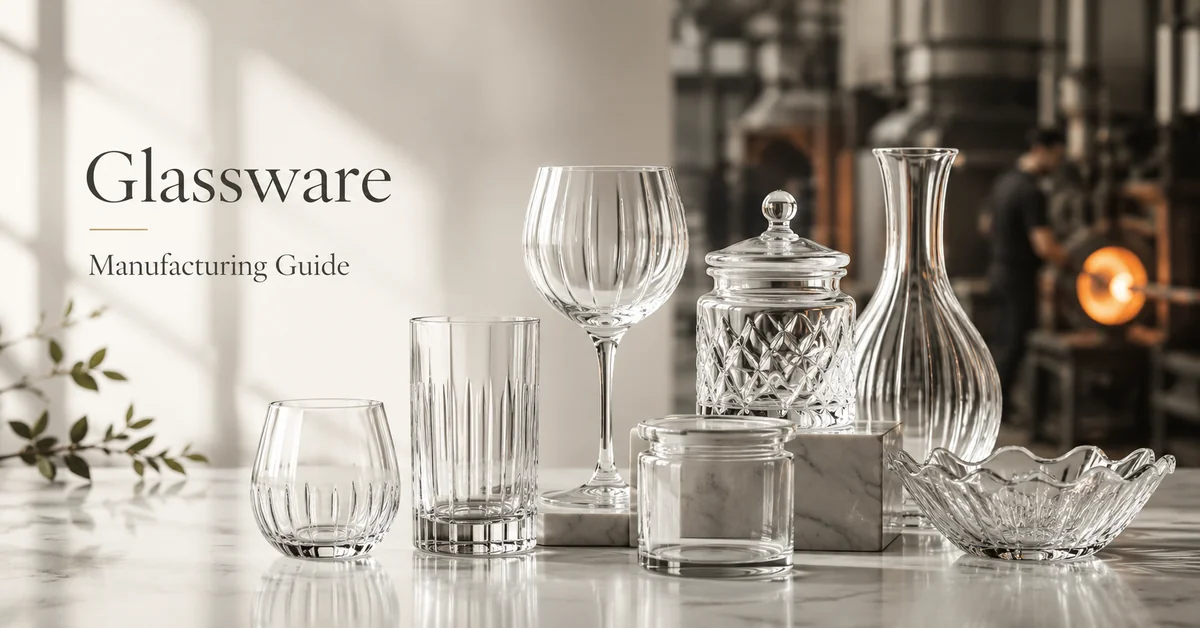

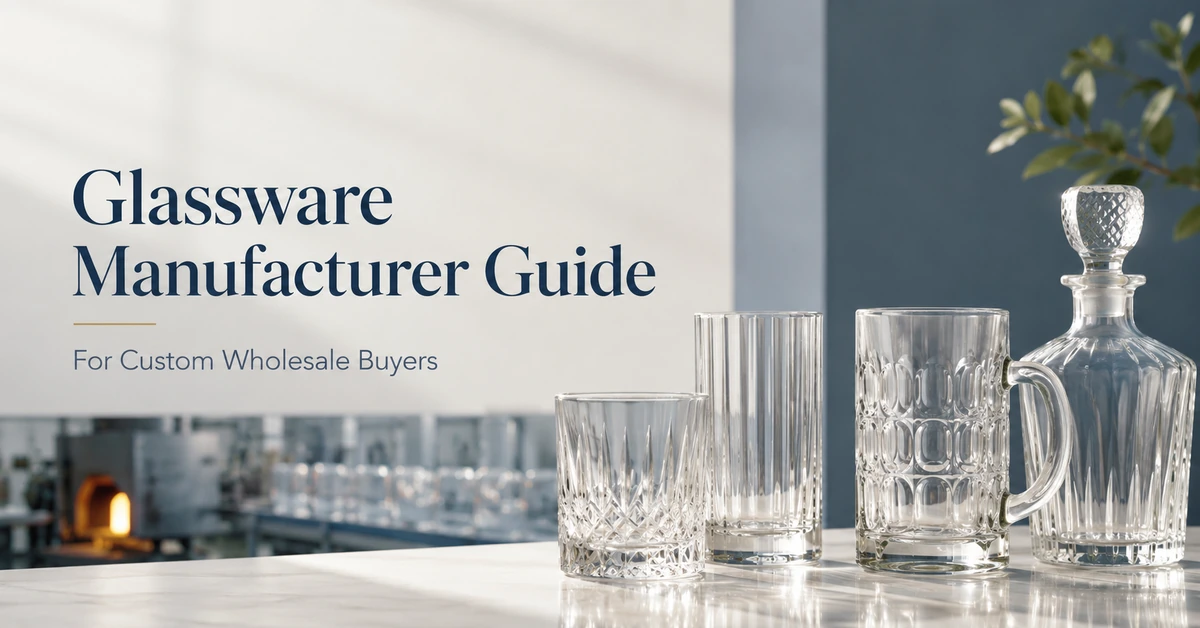

Finding a reliable glassware manufacturer is not only about comparing prices.
For importers, home décor brands, gift retailers, hospitality suppliers, supermarket buyers, and private-label companies, the real question is whether a supplier can turn an idea into stable, repeatable, retail-ready glassware.
A good glassware partner should understand materials, forming methods, decoration, packaging, quality inspection, customization, and export requirements. A low unit price may look attractive at the beginning, but if the glass is too fragile, the color varies between batches, the packaging fails during shipping, or the supplier cannot control repeat orders, the final cost becomes much higher.
This guide explains how to evaluate a glassware supplier, what to check before starting a custom glassware OEM project, how wholesale glassware orders are normally developed, and what buyers should know when working with a glassware factory China partner.
It is written for B2B buyers who need practical sourcing guidance, not a general introduction to glass products.
What Should Buyers Look for in a Glassware Manufacturer?
A reliable glassware manufacturer should offer stable production, material knowledge, decoration capability, quality control, export packaging, and clear OEM/ODM communication. For B2B buyers, the best supplier is not always the cheapest one. It is the factory or manufacturing partner that can control sample development, bulk consistency, breakage risk, packaging, labeling, and delivery schedule across repeated wholesale orders.
Key Takeaways for Custom and Wholesale Glassware Buyers
A professional glassware supplier should be able to explain glass type, forming process, decoration method, packaging plan, and inspection standard before mass production.
For custom glassware OEM projects, buyers should confirm dimensions, capacity, weight, color, logo, decoration, packaging, MOQ, sample time, bulk lead time, and carton testing requirements.
Wholesale glassware pricing is affected by material, mold, forming process, finishing, decoration labor, packaging structure, order volume, and shipping method.
A private label glassware supplier should help buyers manage branding details such as logo placement, color consistency, gift box design, barcode labels, instruction cards, and retail-ready packing.
What Does a Glassware Manufacturer Do?
A glassware manufacturer develops and produces glass products for daily use, home décor, hospitality, gifting, and retail distribution.
Common product categories include:
- Drinking glasses
- Tumblers
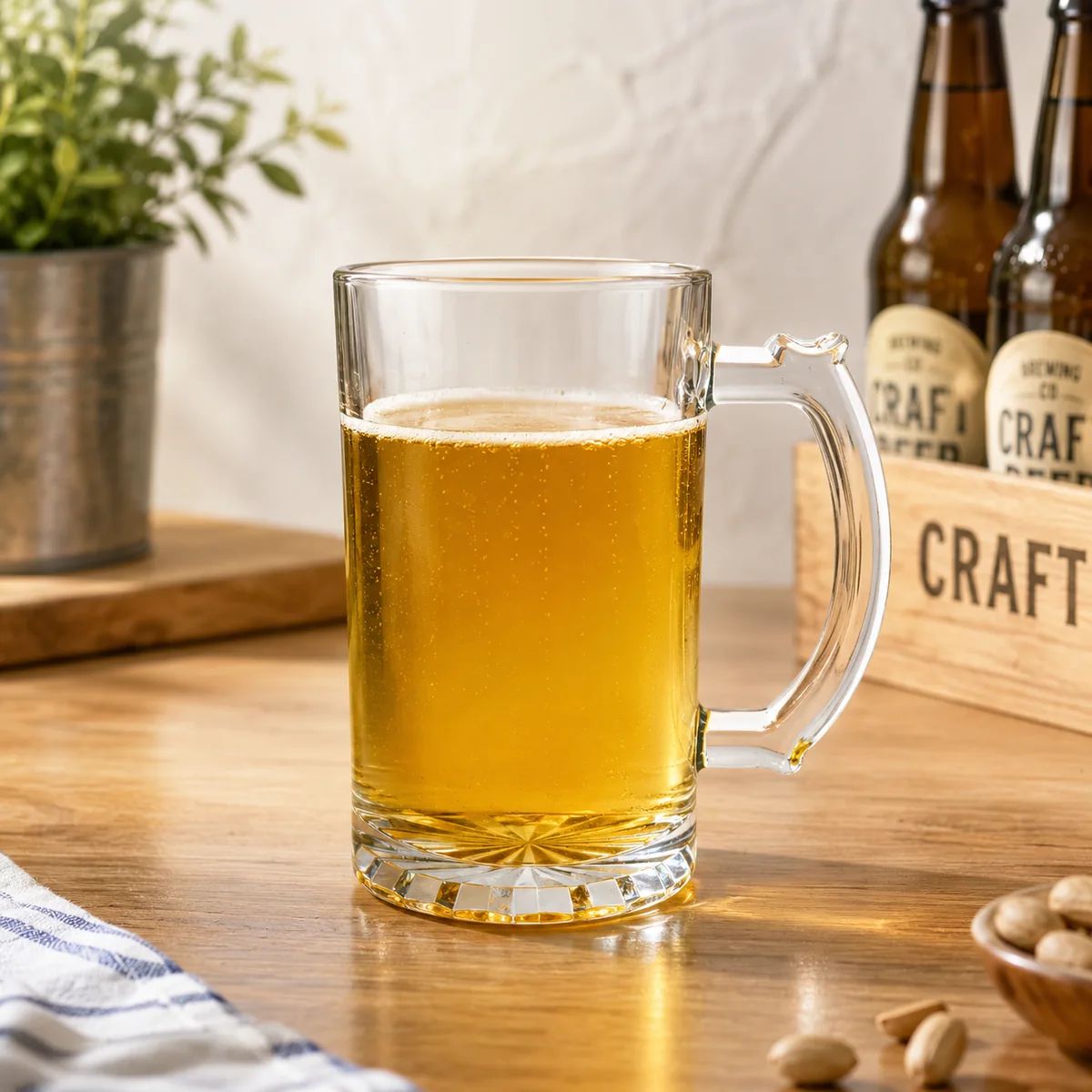
- Beer mugs
- Wine glasses
- Dessert bowls
- Glass trays
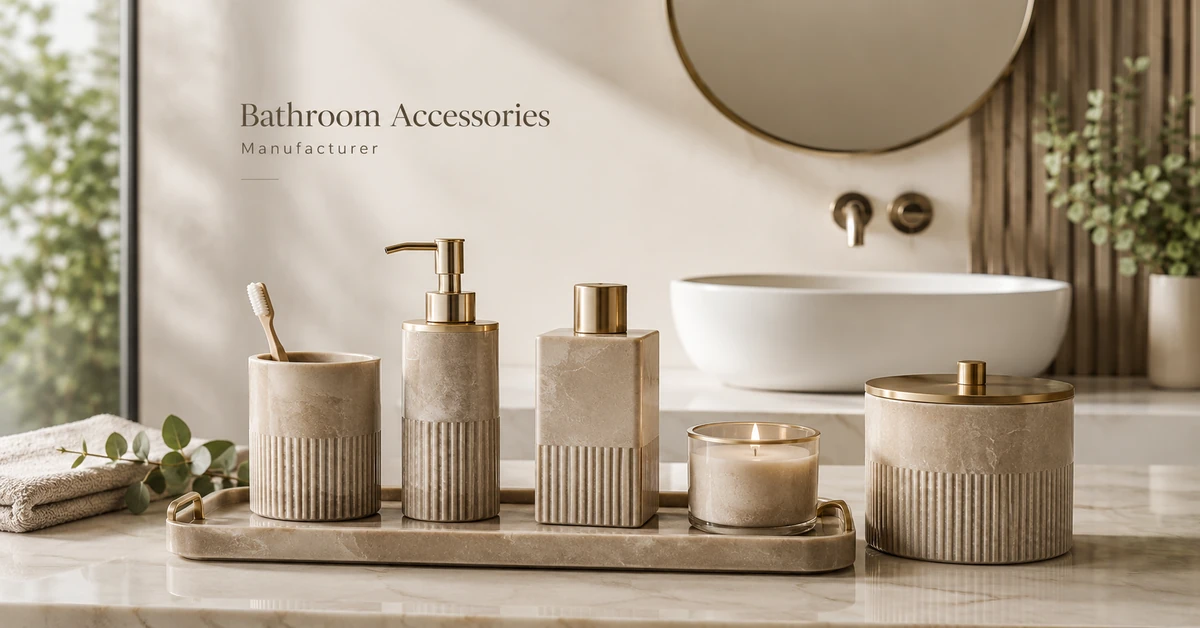
- Glass bathroom accessories
- Decorative glass jars
- Candle holders
- Glass giftware
- Seasonal glass decorations
- Private-label glassware collections
In a B2B context, the manufacturer’s role goes beyond making the physical product. The supplier must help the buyer confirm whether the design can be produced consistently, packed safely, and delivered on time.
A retail buyer may send a reference photo and ask for “something similar.” A professional supplier should not simply quote a price. They should ask about market position, material preference, size, capacity, decoration, packaging, destination market, and order quantity.
This early questioning is often a good sign. It means the supplier is thinking about production feasibility, not just winning the inquiry.
Why B2B Buyers Search for a Glassware Supplier
Most buyers searching for a glassware supplier are already moving beyond casual product browsing.
They may be preparing a new collection, replacing an unstable vendor, developing a private-label line, or comparing suppliers for a seasonal order.
Their concerns are usually practical:
| Buyer Concern | Why It Matters |
|---|---|
| Product consistency | Retail buyers need repeatable color, shape, thickness, and finish |
| Breakage rate | Fragile glassware can create high after-sales cost |
| MOQ | Buyers need to balance inventory risk and customization needs |
| Packaging | Poor packaging can damage goods before reaching shelves |
| Logo and branding | Private-label buyers need consistent brand presentation |
| Lead time | Seasonal and retail programs cannot tolerate late delivery |
| Quality inspection | Glass defects can affect appearance, safety, and customer reviews |
| Export experience | Documentation, labeling, and carton standards matter in global trade |
A supplier that only answers “yes, we can do it” is not enough. Buyers should look for details, questions, and process control.
Main Types of Glassware for Wholesale Programs
Wholesale glassware can serve many channels. The intended channel affects the product design and quality standard.
Retail Drinkware
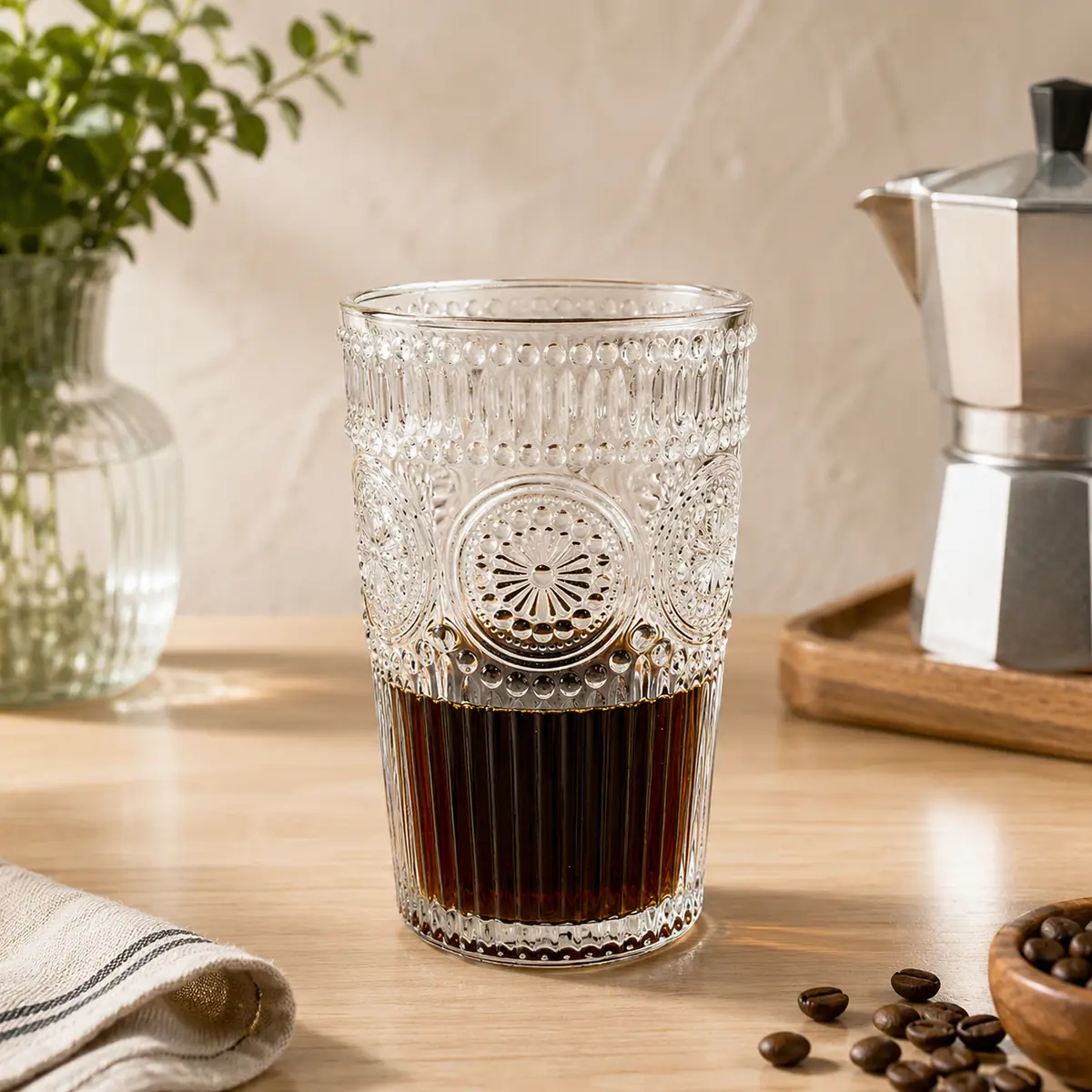
Retail drinkware usually includes tumblers, mugs, stemware, beer glasses, and coffee glasses. These products must look attractive on shelves and perform well in daily use.
Buyers should check rim smoothness, base stability, glass clarity, wall thickness, weight balance, and packing structure.
Hospitality Glassware
Hotels, restaurants, cafés, and bars often need stronger usage performance. Products are washed frequently and handled by many users.
For hospitality programs, buyers should pay more attention to durability, stackability, replacement availability, and repeat-order consistency.
Gift Glassware
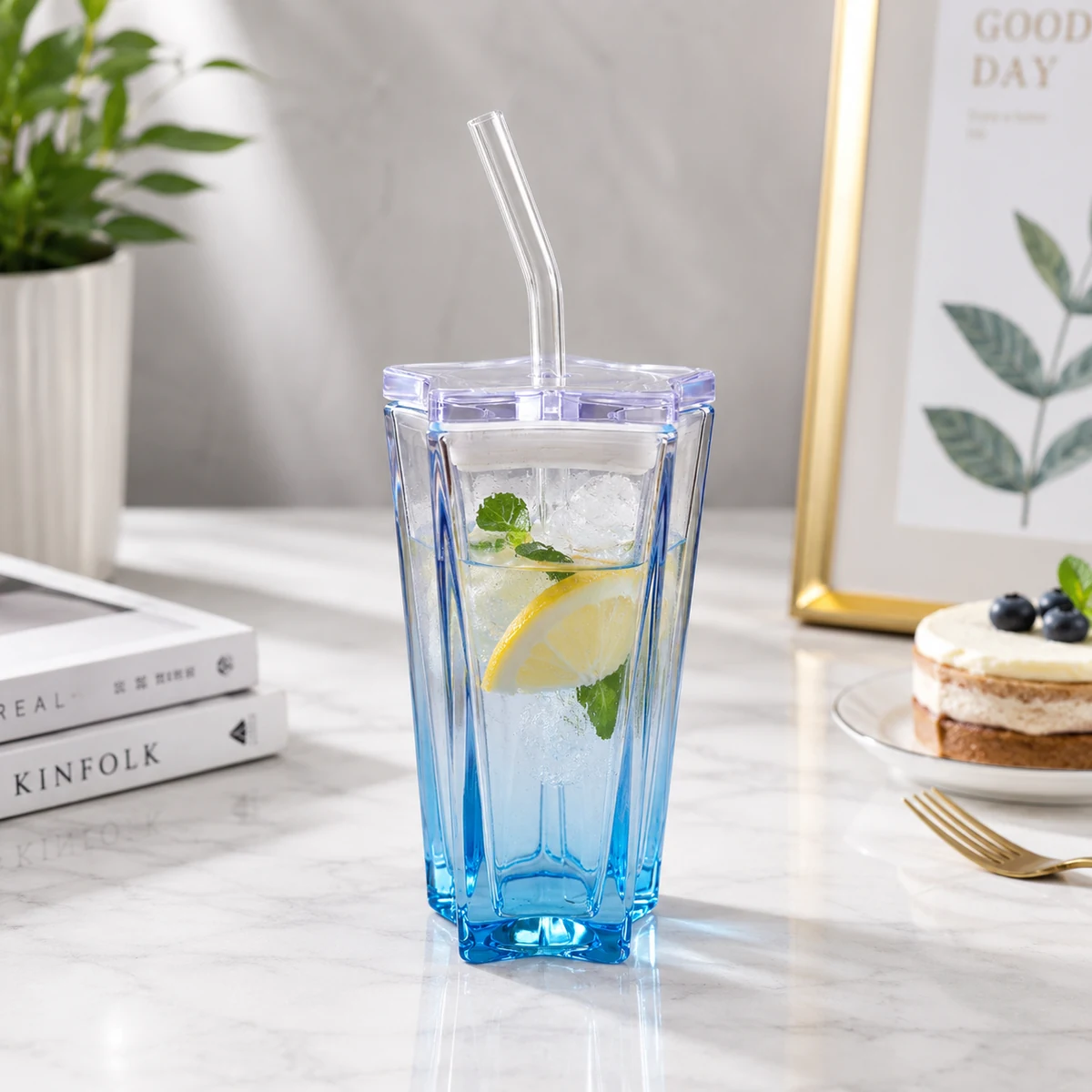
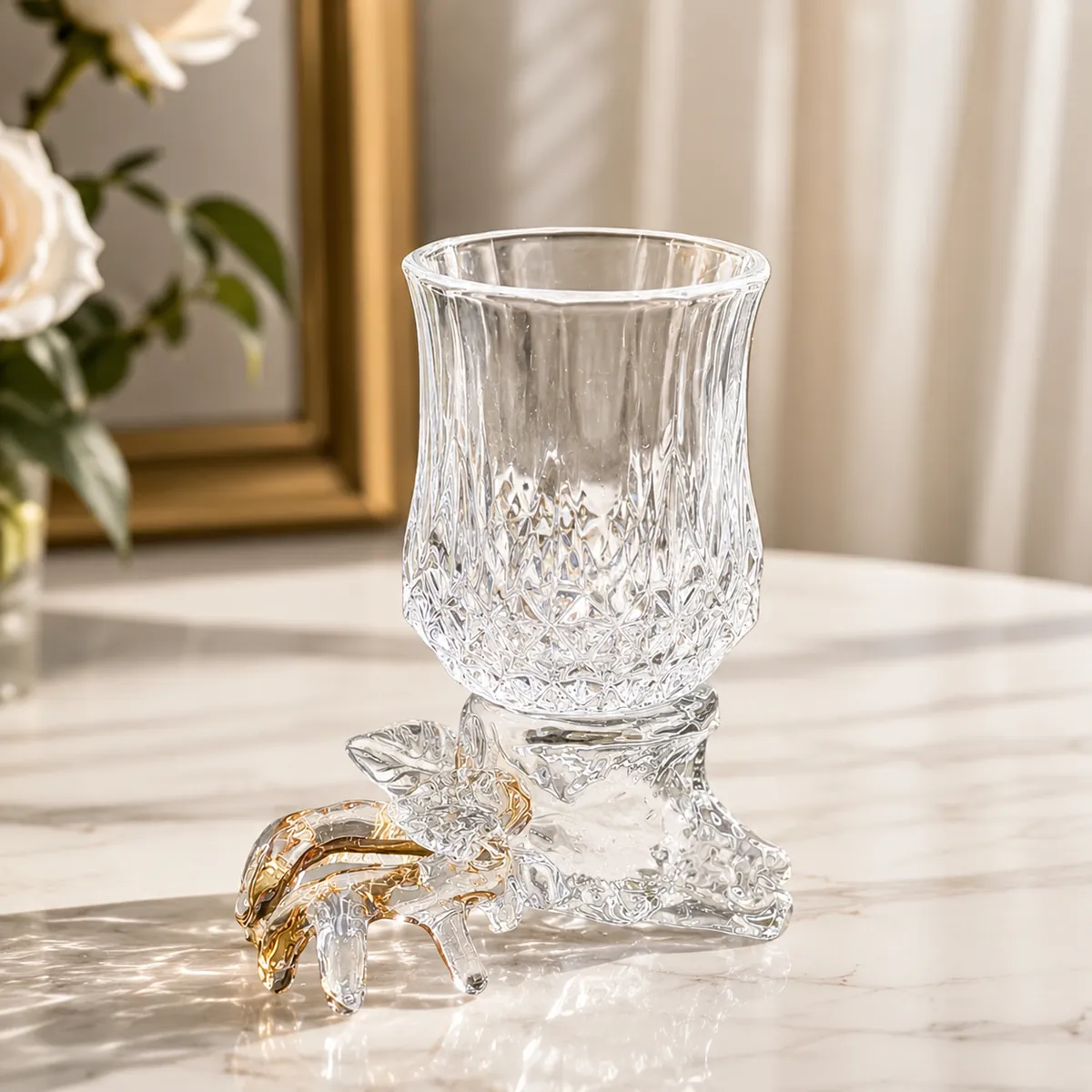
Gift glassware usually has stronger decoration requirements. It may include colored glass, embossed patterns, special shapes, logo printing, gift boxes, ribbons, inserts, or seasonal packaging.
In this category, packaging is almost as important as the product itself.
Home Décor and Decorative Glassware
Decorative glassware includes candle holders, jars, vases, glass trays, bathroom sets, and tabletop decorative pieces.
The buyer should evaluate the product as both a functional item and a visual display piece.
Common Glass Materials Used in Glassware Production
Not all glassware is the same. Material selection affects clarity, strength, heat resistance, weight, color, and cost.
| Glass Material | Main Advantage | Limitation | Suitable Products |
| Soda-lime glass | Cost-effective, widely used, good clarity | Moderate thermal resistance | Tumblers, mugs, jars, general drinkware |
| Borosilicate glass | Better thermal resistance, lightweight look | Higher cost and different forming requirements | Tea cups, double-wall cups, premium drinkware |
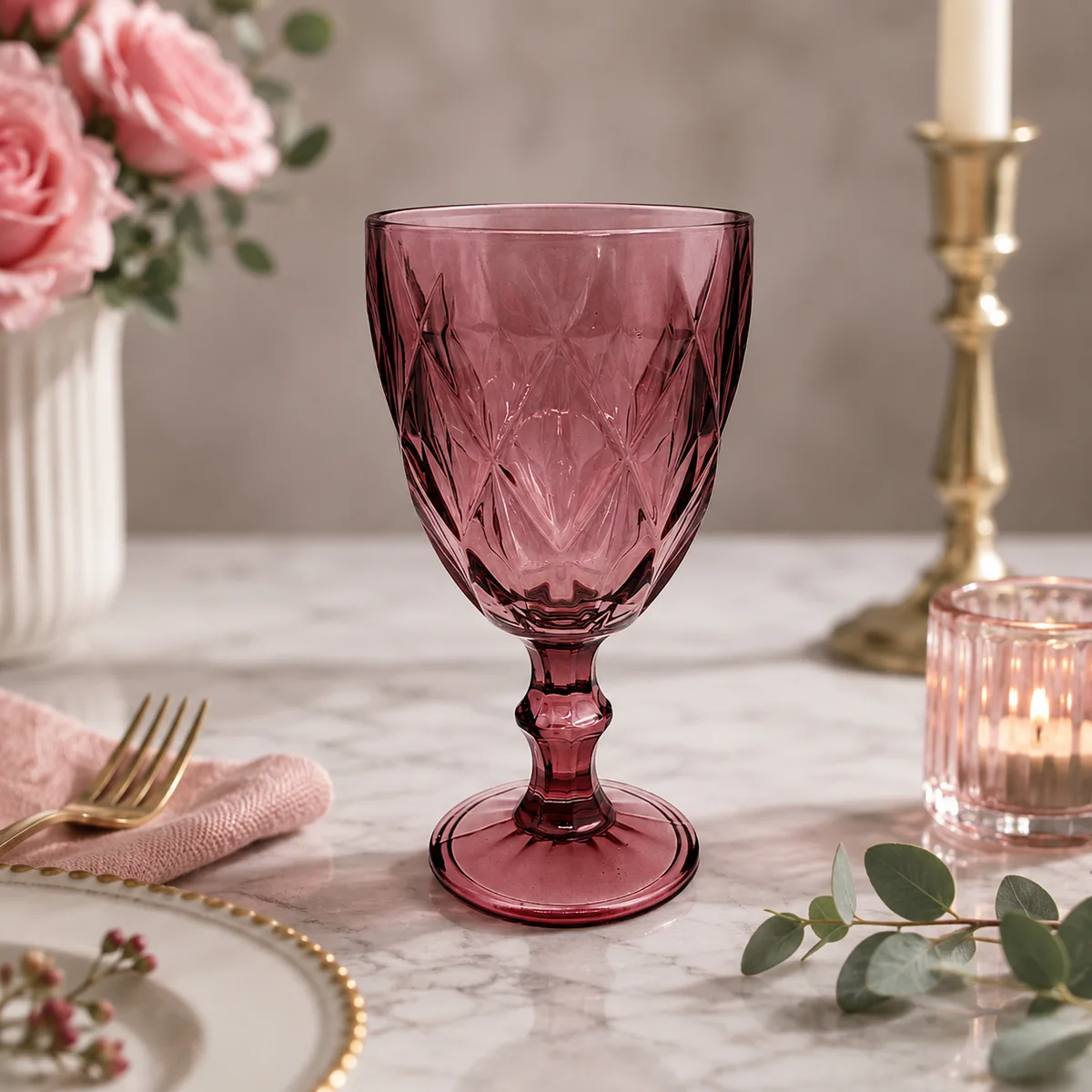
| Colored glass | Strong visual appeal and decorative value | Color consistency needs control | Giftware, home décor, seasonal collections |
| Pressed glass | Good pattern detail and production efficiency | Mold quality affects finish | Bowls, plates, textured cups, bathroom sets |
| Hand-blown glass | Artistic appearance and unique forms | Higher variation and labor cost | Premium décor, boutique glassware, custom gifts |
A professional glassware factory China supplier should help the buyer choose material based on use, price level, decoration, and target channel.
For example, a café glass does not need the same structure as a decorative holiday glass. A supermarket tumbler requires better price control than a boutique gift set. A candle holder needs heat and packaging review, while a bathroom accessory set needs color matching and surface consistency across multiple pieces.
How Glassware Is Manufactured
Glassware production usually follows several major stages.
The exact process depends on whether the product is pressed, blown, machine-made, handmade, or assembled with other materials.
Raw Material Preparation
The factory prepares glass raw materials according to the required formula and product category.
At this stage, consistency matters. Impurities, incorrect batch control, or unstable melting conditions can affect clarity, color, and strength.
Melting and Forming
The glass is melted at high temperature and formed through molds, blowing, pressing, or machine processes.
For pressed or molded glassware, mold precision is important. For hand-blown glassware, worker skill and process control matter more.
Annealing
After forming, glassware must cool gradually through an annealing process. Poor annealing can leave internal stress, which may increase the risk of cracking during decoration, packing, shipping, or customer use.
Surface Finishing
Finishing may include rim polishing, cutting, frosting, spraying, electroplating, decal application, painting, sandblasting, or logo printing.
Each finishing method has its own cost, lead time, and inspection points.
Packing and Inspection
Finished goods are inspected, cleaned, packed, and placed into inner boxes, gift boxes, dividers, foam inserts, molded pulp trays, or master cartons.
For export glassware, packaging should be reviewed with the finished decorated product, not only with a blank sample.
Custom Glassware OEM: What Buyers Should Prepare
A successful custom glassware OEM project starts with a clear brief.
Many delays happen because the buyer and supplier define the same product differently. “Blue glass cup” may mean transparent blue glass, sprayed blue coating, gradient blue finish, blue decal decoration, or blue packaging.
Before requesting a quotation, prepare as much information as possible:
| Project Detail | What to Confirm |
| Product type | Cup, mug, tumbler, bowl, jar, tray, décor item |
| Size and capacity | Height, diameter, volume, weight, thickness |
| Material | Soda-lime, borosilicate, colored glass, pressed glass |
| Decoration | Logo, printing, decal, frosting, color spray, embossing |
| Packaging | Bulk pack, white box, color box, gift box, display box |
| Quantity | Trial order, wholesale order, annual program |
| Target market | Retail, hotel, café, gift shop, supermarket, e-commerce |
| Quality standard | Appearance, weight tolerance, color range, breakage control |
| Delivery schedule | Sample date, production deadline, shipping window |
The more complete the brief, the easier it is for the supplier to quote accurately and avoid rework.
OEM and ODM Are Not the Same
Buyers often use OEM and ODM together, but they are not exactly the same.
OEM usually means the buyer already has a design, logo, brand concept, or product direction. The supplier manufactures according to the buyer’s requirements.
ODM means the supplier provides existing designs, product development ideas, or ready-to-customize models. The buyer can modify color, logo, packaging, or certain details.
For glassware, many projects fall between the two. A buyer may select an existing glass shape but request new color, logo, gift packaging, and private-label presentation.
This is common in wholesale glassware programs because using an existing mold can reduce cost and shorten lead time.
How to Evaluate a Glassware Factory China Partner
Working with a glassware factory China supplier can provide strong advantages in product variety, customization, packaging, and export experience.
However, buyers should evaluate the supplier carefully.
Check Product Range
A factory or manufacturing partner with a broad glassware range can often support mixed-SKU programs.
This is useful for gift brands and retailers that need matching cups, bowls, trays, jars, and bathroom accessories.
Check Customization Capability
Ask whether the supplier can handle:
- Mold development
- Color matching
- Logo printing
- Decal application
- Frosted finish
- Spraying
- Electroplating
- Gift box design
- Barcode labeling
- Retail display packing
A supplier may be strong in basic production but weak in branding and packaging. For private-label buyers, that gap matters.
Check Quality Control Process
A good supplier should explain how they inspect glass body quality, rim smoothness, decoration, color, dimensions, packaging, and final cartons.
They should also define what counts as acceptable variation.
Glassware can have small natural variations, especially in handmade or decorative products. The key is whether those variations are controlled and agreed before production.
Check Export Communication
Export glassware projects require clear communication around carton marks, labels, HS codes, shipping terms, documents, and delivery schedules.
A supplier who responds quickly but gives vague technical answers may create risk later.
Factory vs Trading Company: Which Is Better?
Some buyers insist on working only with factories. Others prefer trading companies because they can manage multiple product categories.
The right choice depends on the project.
| Supplier Type | Advantage | Limitation | Best For |
| Direct factory | Better production control, technical detail, possible cost advantage | May have limited product range or packaging service | Large orders, repeat SKUs, technical products |
| Trading company | Broader sourcing range, flexible category management | Less direct control over production details | Mixed orders, small buyers, multiple categories |
| Factory with export team | Combines production and project communication | Capability varies by supplier | OEM/ODM glassware programs |
| Private-label glassware supplier | Strong branding and packaging support | May not be the lowest unit price | Retail-ready branded collections |
For many B2B buyers, the best option is not simply “factory or trader.” It is a supplier who can control production, manage quality, and communicate clearly.
Private Label Glassware Supplier: What Matters Most
A private label glassware supplier must understand branding details.
Private-label projects are not only about putting a logo on a cup. The full presentation matters.
Buyers should confirm:
- Logo size and placement
- Printing method
- Color reference
- Gift box artwork
- Insert card content
- Barcode label
- Warning label
- Product photo consistency
- Carton mark
- Mixed-SKU packing
- Shelf display format
For a private-label glassware line, small inconsistencies can damage brand value. If one batch has a slightly different color, a rough logo edge, or weak packaging, customers may notice.
That is why golden sample approval is important. Both buyer and supplier should keep approved samples for reference before bulk production.
Wholesale Glassware Pricing: What Affects Cost?
Wholesale glassware cost is shaped by more than material.
A larger glass is not always more expensive than a smaller one. A small cup with complex decoration may cost more than a larger plain tumbler.
Main cost factors include:
| Cost Factor | Impact on Price |
| Glass material | Borosilicate and special colored glass may cost more |
| Product weight | Heavier glass increases material and freight cost |
| Mold complexity | New or detailed molds add tooling cost |
| Decoration | Printing, decal, frosting, spraying, and plating add process cost |
| Labor | Handmade details increase unit cost |
| Packaging | Gift boxes and protective inserts increase cost |
| Order quantity | Higher volume may reduce unit cost |
| Inspection standard | Stricter inspection can increase handling time |
| Shipping method | Air freight, sea freight, and express have different cost structures |
When comparing quotations, buyers should use the same specifications.
A quote without packaging details is not comparable to a quote with a color box, inner divider, barcode label, and export carton.
MOQ, Sampling, and Lead Time
MOQ depends on product type, mold, color, decoration, packaging, and order complexity.
A stock glass shape with simple logo printing usually supports lower MOQ than a fully custom mold.
A custom color, new mold, or special finishing process may require higher MOQ because the factory must prepare materials, molds, fixtures, or production line settings.
Typical project stages include:
- Requirement confirmation
- Quotation
- Artwork or drawing review
- Sample production
- Sample revision
- Packaging proof
- Golden sample approval
- Bulk production
- Final inspection
- Shipping
Buyers should not only ask, “How many days for production?”
A better question is:
“What is the full timeline from sample confirmation to shipment, including packaging proof and final inspection?”
This helps avoid missing retail deadlines.
Quality Control for Glassware Orders
Quality control should be planned before production begins.
If the buyer and supplier only discuss quality after goods are finished, it is already too late.
Common glassware inspection points include:
- Cracks
- Chips
- Bubbles
- Stones
- Scratches
- Uneven rim
- Sharp edges
- Wavy surface
- Color difference
- Logo misalignment
- Decal defects
- Coating scratches
- Wrong capacity
- Weight variation
- Poor packaging fit
For decorated glassware, buyers should also test rubbing, washing, handling, and packaging friction where relevant.
A logo that looks good on a sample may still fail if it scratches inside the box during shipping.
Packaging Is Part of the Product
For glassware, packaging is not a secondary detail.
It directly affects breakage rate, customer experience, shelf presentation, and freight cost.
Common packaging options include:
- Bulk carton with dividers
- Individual white box
- Printed color box
- Gift box
- Window box
- Foam insert
- Molded pulp insert
- Corrugated partition
- E-commerce protective packaging
Retail buyers should approve packaging with the final decorated sample.
A plain glass sample may fit well in a box, but after adding a handle, ribbon, coating, label, or surface decoration, the product may need extra protection.
For e-commerce glassware, stronger individual packing is often required because parcels may be handled more roughly than palletized retail shipments.
Common Sourcing Mistakes
Choosing Only by Unit Price
A lower price can be useful, but only when the specification is the same.
If one supplier uses thinner glass, weaker cartons, cheaper printing, or less inspection, the price difference may create hidden risk.
Skipping the Golden Sample
Photos are helpful, but physical samples are better. Glass clarity, weight, rim quality, and decoration texture are difficult to judge only from images.
Ignoring Packaging Tests
Breakage often happens because packaging was not designed around the finished product.
The carton may look strong, but the product may move inside the box.
Not Confirming Repeat Order Standards
For long-term wholesale glassware programs, repeat-order consistency is critical.
Buyers should confirm whether the supplier keeps mold records, color samples, artwork files, and packaging standards.
Using Unclear Artwork Files
Low-resolution logos, unclear color codes, or incomplete packaging files can delay sampling and create errors.
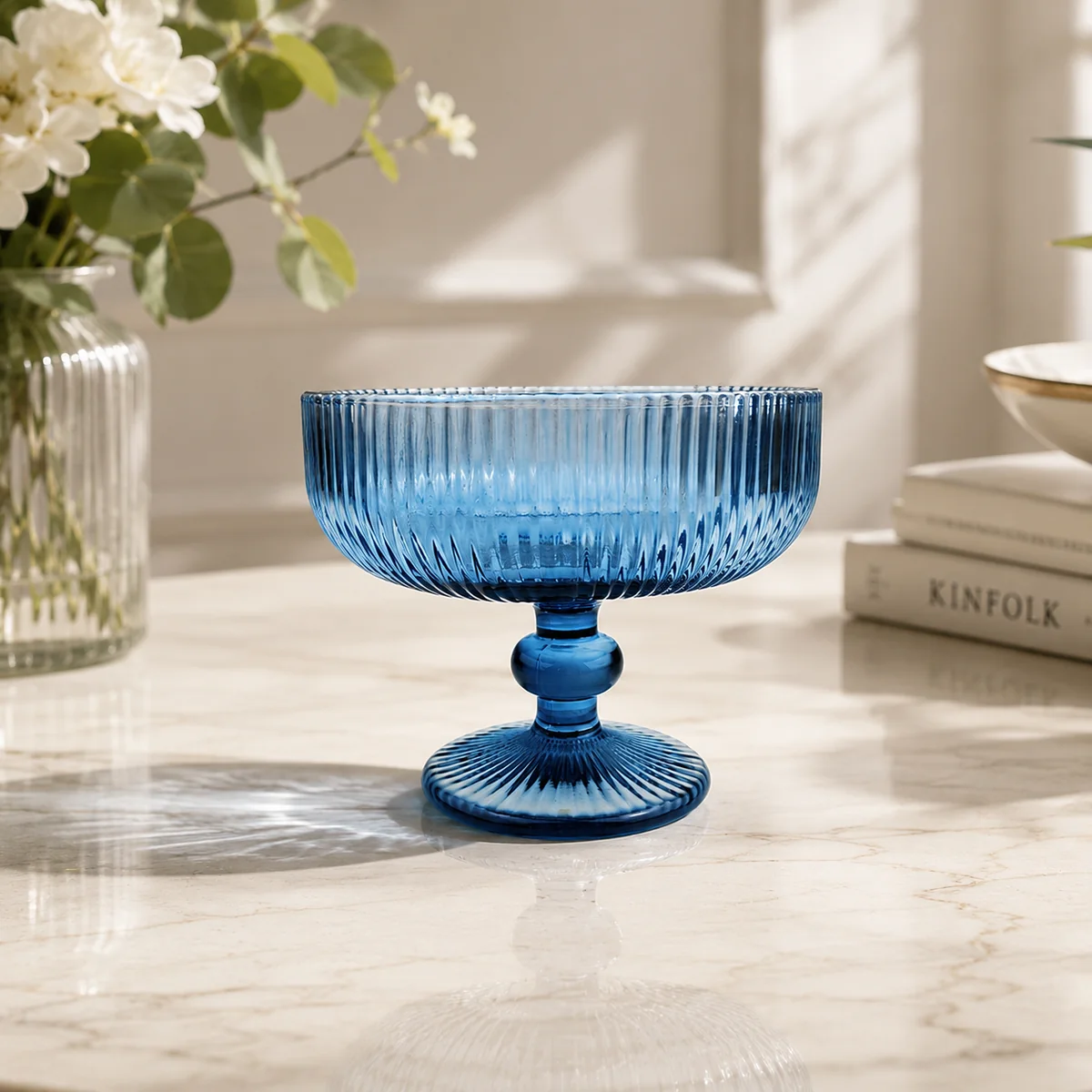
How HoeGifts Supports Custom and Wholesale Glassware Buyers
HoeGifts supports B2B buyers with custom glassware OEM, wholesale glassware, decorative glass products, bathroom glass sets, drinkware, giftware, and private-label packaging solutions.
For buyers developing a new product, the process usually starts with a product brief, reference image, size target, decoration idea, order quantity, packaging requirement, and destination market.
From there, the team can help review:
- Product feasibility
- Material selection
- Existing mold options
- Custom mold requirements
- Logo and decoration method
- Packaging structure
- MOQ and lead time
- Quality inspection points
- Retail-ready presentation
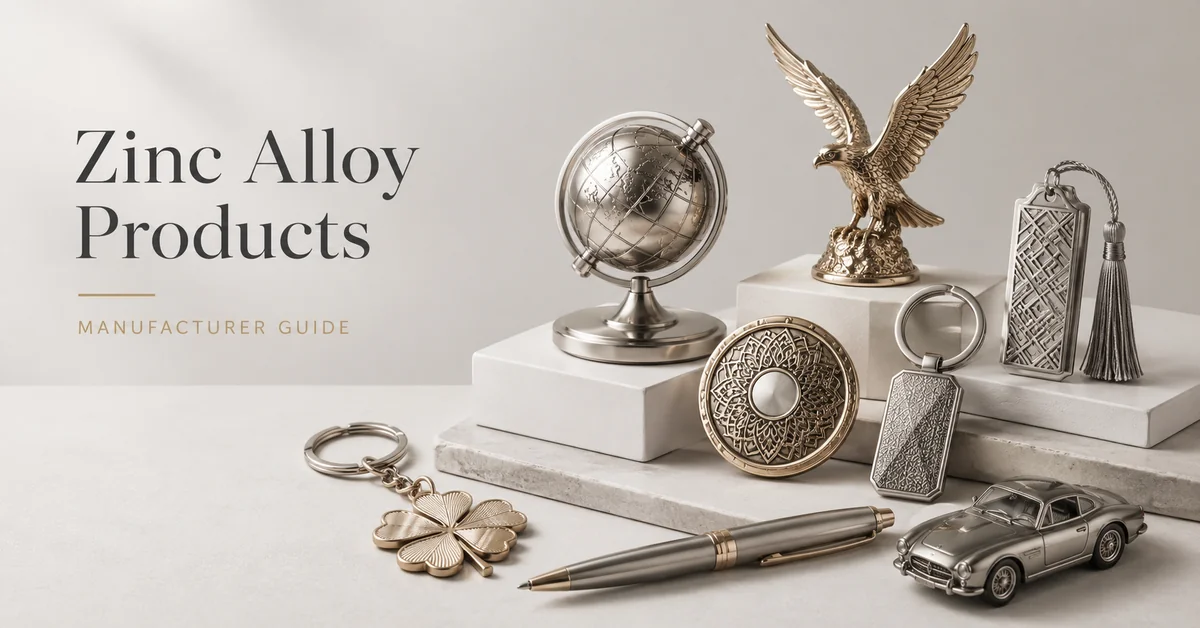
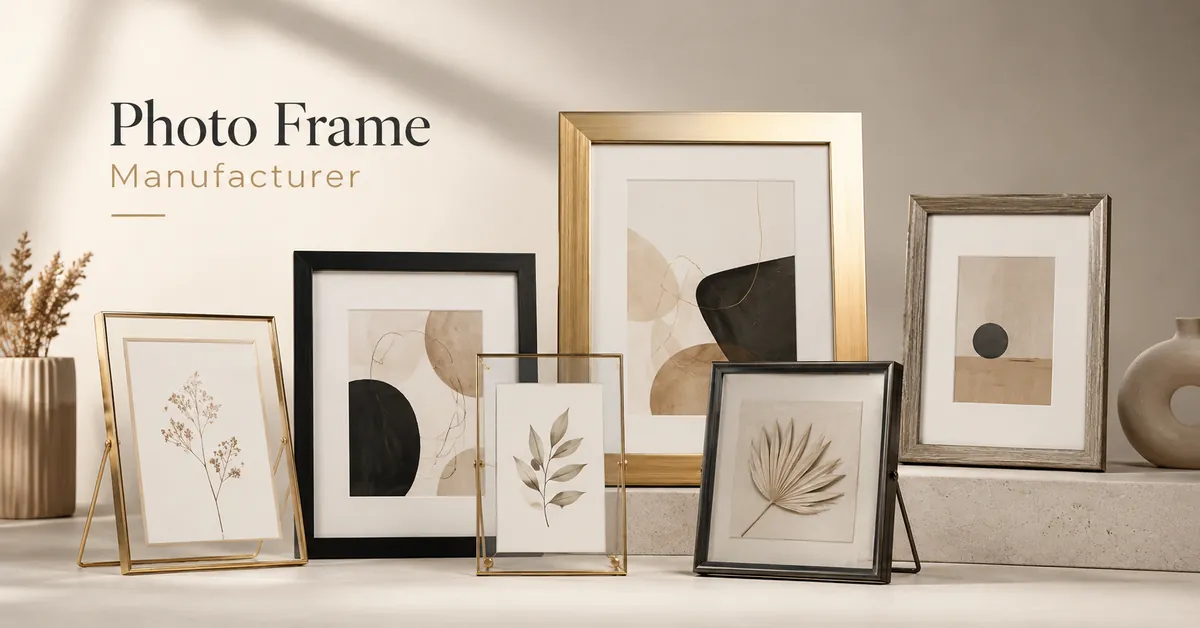
For gift brands and retailers, HoeGifts can also help coordinate glassware with other gift categories, such as metal products, photo frames, zinc alloy products, silicone accessories, bathroom series, and home décor items.
This is useful when buyers need a complete collection rather than a single glass product.
A Practical Supplier Evaluation Checklist
Before placing a bulk order, buyers can use this checklist:
| Evaluation Area | Questions to Ask |
| Product capability | Can the supplier produce this glass type and finish consistently? |
| Customization | Can they support logo, color, mold, packaging, and private label needs? |
| MOQ | Is the MOQ suitable for trial orders or annual programs? |
| Sampling | How long does sampling take and what can be revised? |
| Packaging | Has the supplier packed similar fragile products for export? |
| Quality control | What defects are inspected before shipment? |
| Communication | Are answers specific or only general promises? |
| Export experience | Can they handle labeling, cartons, documents, and shipping coordination? |
| Repeat orders | Can they keep golden samples and production records? |
| Risk control | What happens if defects or delays occur? |
A supplier who can answer these questions clearly is usually easier to work with than one who only sends a catalog and price list.
FAQ About Glassware Manufacturers and Suppliers
What is the difference between a glassware manufacturer and a glassware supplier?
A glassware manufacturer produces glass products directly or controls production closely. A glassware supplier may be a factory, export company, or sourcing partner that provides glassware products. For B2B buyers, the key is not the label but whether the supplier can control quality, customization, packaging, and delivery.
How do I choose a reliable glassware manufacturer?
Check material knowledge, product range, customization ability, quality control process, packaging experience, export communication, and sample handling. A reliable manufacturer should ask detailed questions before quoting.
What information should I provide for custom glassware OEM?
Provide product type, size, capacity, material, decoration, logo artwork, packaging style, quantity, target market, quality standard, and delivery schedule.
Can I use an existing mold for custom glassware?
Yes. Many custom glassware OEM projects use existing molds with customized color, logo, decoration, or packaging. This can reduce development cost and shorten lead time.
What affects wholesale glassware pricing?
Price depends on material, weight, mold complexity, decoration, labor, packaging, order quantity, inspection requirements, and shipping method.
What is the typical MOQ for wholesale glassware?
MOQ varies by product and customization level. Stock shapes with simple branding usually have lower MOQ. New molds, special colors, or complex decoration generally require higher MOQ.
How long does glassware sampling take?
Sampling time depends on whether the product uses an existing mold or requires a new mold. Decoration and packaging proofs may add extra time.
What defects should be checked in glassware inspection?
Common defects include cracks, chips, bubbles, scratches, uneven rim, color variation, logo defects, coating scratches, incorrect size, and poor packaging fit.
Why is packaging important for glassware?
Glassware is fragile. Good packaging reduces breakage, protects surface decoration, improves retail presentation, and lowers after-sales risk.
Can a glassware factory China supplier support private label packaging?
Many suppliers can support private label packaging, but capability varies. Buyers should confirm artwork handling, box printing, barcode labels, inserts, and retail packing requirements.
Is borosilicate glass always better than soda-lime glass?
Not always. Borosilicate glass has advantages in thermal resistance and lightweight appearance, but soda-lime glass is cost-effective and suitable for many daily glassware products.
How can I reduce risk before placing a bulk order?
Approve a physical sample, confirm packaging, define inspection standards, review artwork files, agree on production timeline, and keep a golden sample for comparison.
Can glassware be customized for hotels and restaurants?
Yes. Hospitality glassware can be customized by size, logo, glass type, packaging, and product range. Buyers should focus on durability and repeat availability.
What should private-label buyers pay attention to?
Private-label buyers should check logo consistency, color matching, packaging quality, barcode labels, product photography, carton marks, and repeat-order records.
Why work with HoeGifts for glassware sourcing?
HoeGifts supports custom glassware OEM, wholesale glassware, decorative glassware, private-label packaging, and mixed gift product programs for B2B buyers. The team can help review product feasibility, packaging, customization, and order requirements before production.
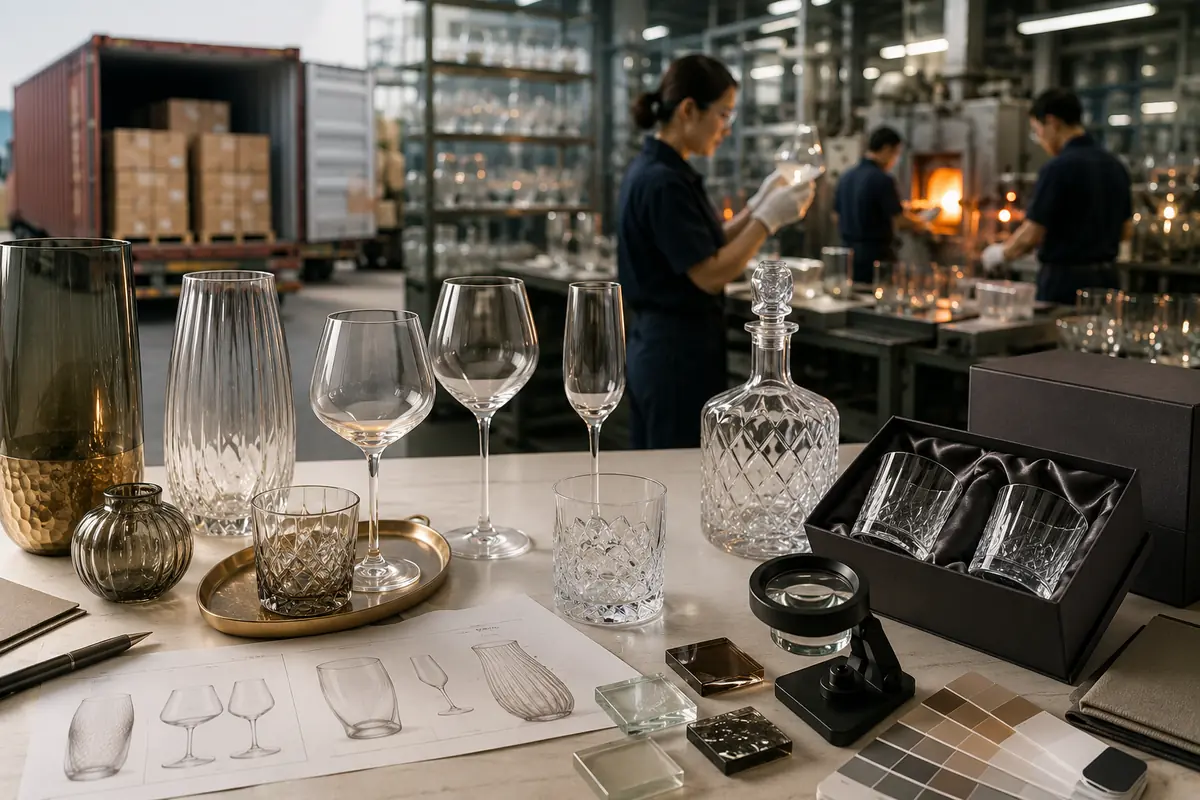
Conclusion: Better Glassware Sourcing Starts Before the Quotation
Choosing a glassware manufacturer is not a one-step price comparison.
It is a sourcing decision that affects product quality, brand presentation, delivery reliability, and customer satisfaction.
For wholesale glassware and private-label programs, buyers should review material, forming method, decoration, packaging, MOQ, lead time, inspection, and repeat-order control before confirming production.
A strong glassware supplier will not only produce the product. It will help reduce sourcing risk, improve retail presentation, and make the product easier to sell in the target market.
If you are developing custom glassware, retail drinkware, decorative glassware, bathroom glass sets, or private-label gift collections, HoeGifts can help review your product idea, recommend suitable customization options, and prepare a practical quotation based on your market, quantity, packaging, and delivery needs.
Contact HoeGifts to request glassware samples, wholesale pricing, OEM/ODM suggestions, or a customized packaging proposal for your next glassware program.