
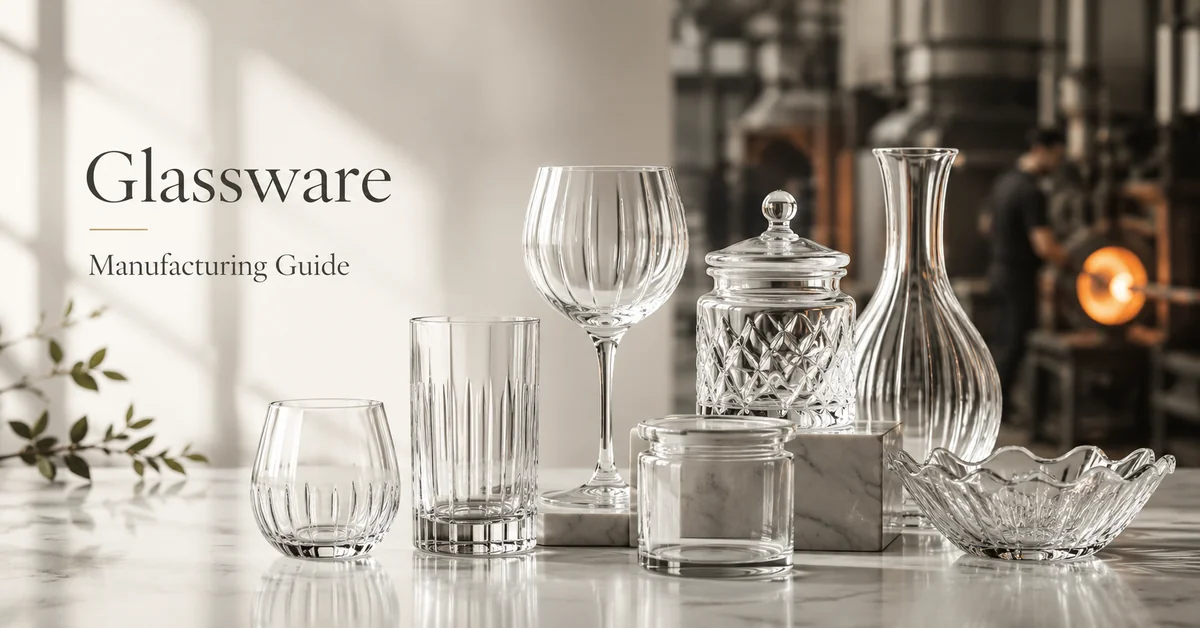

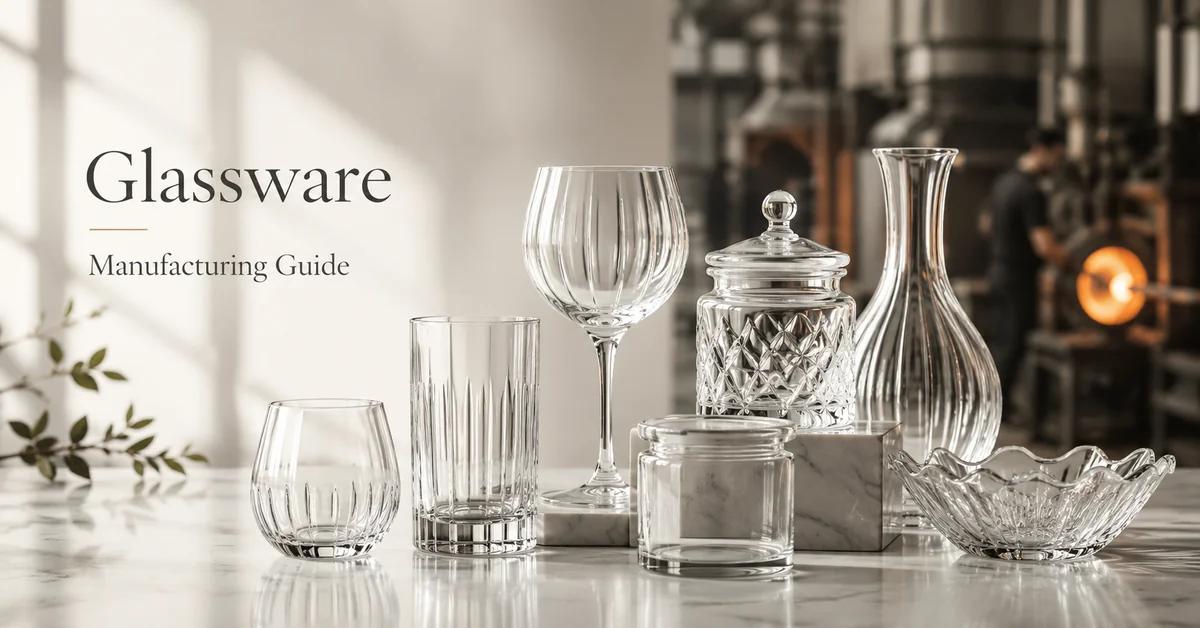
Glassware looks simple when it reaches a retail shelf, hotel table, gift box, or home décor display. A clear tumbler, colored goblet, bathroom accessory bottle, candle holder, ornament, jar, or decorative glass product may appear to be only a shaped piece of glass.
For importers, wholesalers, home décor retailers, hospitality buyers, gift brands, and private-label companies, however, glassware manufacturing is a much more detailed process. Buyers need to understand material selection, forming method, mold accuracy, wall thickness, annealing, decoration, packaging, breakage control, MOQ, lead time, and supplier reliability before confirming an order.
Many buyers search for glassware manufacturers near me because they want faster communication, easier, breakage control, MOQ, lead time, and supplier reliability sampling, and more reliable production control. But in B2B sourcing, location alone is not enough. A capable glassware partner should be evaluated by product experience, customization ability, quality control, packaging engineering, export knowledge, and repeat-order consistency.
This guide explains how glassware is made, what custom glass manufacturers usually do, how different production methods affect cost and quality, and what buyers should confirm before starting a wholesale or private-label glassware project.
What Should Buyers Know Before Starting a Glassware Manufacturing Project?
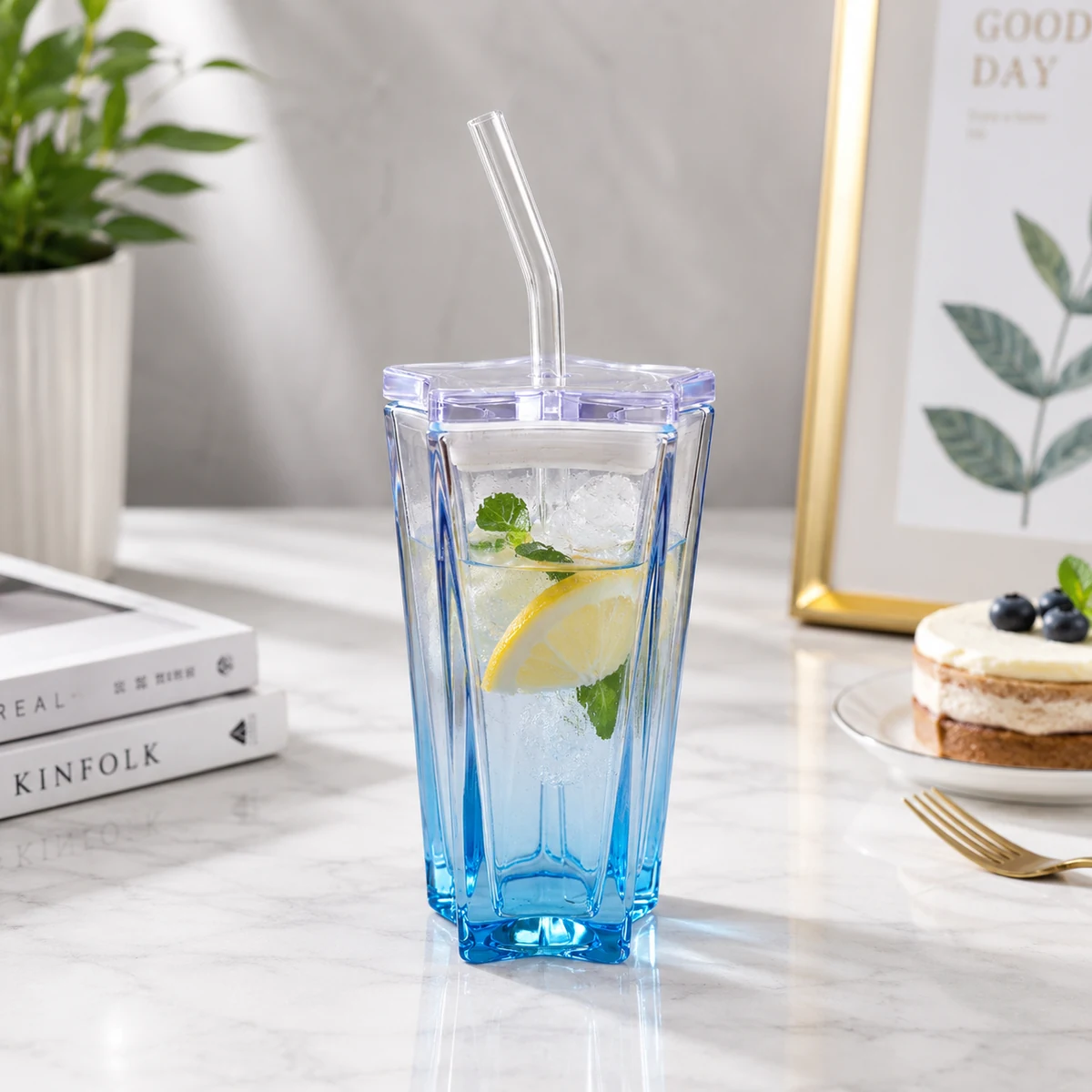
Glassware is made by melting raw materials, forming the molten glass into a required shape, cooling it through controlled annealing, applying decoration or surface treatment, inspecting the finished product, and packing it for retail or export delivery.
For B2B buyers, the most important point is that glassware manufacturing is not only about shape. A successful project also depends on product use, glass type, mold design, wall thickness, weight, surface finish, decoration method, packaging protection, and final inspection standard.
Before working with custom glass manufacturers, buyers should confirm:
- Product type and target market
- Size, capacity, shape, and wall thickness
- Clear, colored, frosted, textured, or decorated glass
- Forming method and mold requirements
- Logo, printing, decal, or color coating needs
- Retail packaging or export carton requirements
- MOQ, sampling time, and bulk production schedule
- Quality control and breakage prevention standards
A clear product brief helps the supplier recommend a practical production method and reduces revision time during sample development.
Buyer Cheat Sheet for Glassware Manufacturing
| Section | Buyer Question | Key Point for B2B Orders |
|---|---|---|
| Product Type | What glassware product do I need? | Confirm drinkware, jars, ornaments, bathroom accessories, candle holders, or décor items |
| Manufacturing Method | How will the glass be formed? | Pressed, blown, machine-made, hand-finished, molded, or assembled glass affects cost and consistency |
| Customization | What can be customized? | Shape, size, color, texture, logo, coating, decal, packaging, and product sets |
| Material Selection | Which glass type is suitable? | Soda-lime glass is common for many products; borosilicate may suit heat-resistant or lightweight designs |
| Decoration | How will the product look on shelf? | Printing, decal, frosting, spraying, electroplating, engraving, and color coating change visual value |
| Quality Control | What should be inspected? | Size, weight, clarity, bubbles, cracks, rim finish, decoration, packaging, and carton strength |
| MOQ & Lead Time | What affects order planning? | Mold, color, decoration, packaging, SKU count, and production capacity influence schedule |
| Supplier Choice | How should I compare manufacturers? | Evaluate experience, samples, packaging support, QC process, export ability, and communication |
Why This Guide Helps B2B Buyers
B2B glassware buyers often need more than a catalog price. They need a supplier that can turn a product idea into a retail-ready item while keeping production stable across repeated orders.
This guide is written for buyers who need practical sourcing clarity, including:
- Gift brands developing custom glass products
- Home décor retailers building private-label collections
- Importers sourcing wholesale glassware
- Hospitality buyers choosing tableware or bathroom accessories
- Online sellers planning differentiated glass product lines
- Seasonal retailers developing glass ornaments or decorative products
The goal is to help buyers understand what happens behind the finished product, so they can communicate better with glassware manufacturers, compare quotations more accurately, and reduce avoidable sampling or production problems.
What Are Glassware Products?
Glassware products are items made from glass for functional, decorative, packaging, hospitality, retail, or gift purposes. They can be transparent, colored, textured, frosted, printed, coated, or combined with other materials such as metal, wood, silicone, cork, resin, or packaging inserts.
Common glassware products include:
- Drinking glasses
- Tumblers
- Goblets
- Mugs
- Dessert bowls
- Jars
- Bottles
- Candle holders
- Vases
- Bathroom accessory sets
- Soap dispensers
- Toothbrush holders
- Glass ornaments
- Decorative containers
- Terrariums
- Gift glassware sets
- Private-label home décor glass products
In wholesale and retail programs, glassware can be sold as single products, assorted color sets, seasonal collections, hospitality supplies, gift boxes, or private-label product lines.
Why Glassware Products Matter for Retail, Gift, and Home Décor Markets
Glassware remains important because it combines practical use with visual value. Consumers choose glass products not only for function, but also for clarity, color, texture, table presentation, home styling, gifting, and perceived quality.
For B2B buyers, glassware has several commercial advantages:
- Suitable for daily use and decorative display
- Works across home, kitchen, bathroom, hospitality, and gifting categories
- Supports many styles, from minimalist to vintage and luxury
- Easy to develop as coordinated sets
- Strong fit with private-label packaging
- Suitable for year-round sales and seasonal programs
- Offers visible product value through color, shape, and finish
Custom glass manufacturers can help buyers create differentiated products by adjusting shape, capacity, finish, decoration, packaging, and product combinations.
Glassware Manufacturer vs Glassware Supplier
Buyers often search for glassware manufacturers near me or glassware suppliers because they want a reliable sourcing partner. The two terms are related, but they do not always mean the same thing.
| Partner Type | Main Capability | Suitable Order Type | Buyer Focus |
| Glassware manufacturer | Produces or develops glass products | OEM, ODM, custom molds, repeat orders | Production method, mold, quality, consistency |
| Glassware supplier | Provides existing glassware styles | Catalog sourcing, wholesale, mixed SKUs | Product range, price, delivery planning |
| Custom glass manufacturers | Develop products based on buyer requirements | Private label, exclusive design, branded packaging | Shape, color, logo, packaging, sampling |
| Export glassware partner | Supports production and international delivery | Importers, wholesalers, retail chains | Packing, labels, cartons, shipment coordination |
A buyer choosing standard stock products may work with a glassware supplier. A buyer developing custom glassware, branded sets, packaging programs, or long-term collections should work with a manufacturer that can manage product development, sample approval, quality control, and repeat-order records.
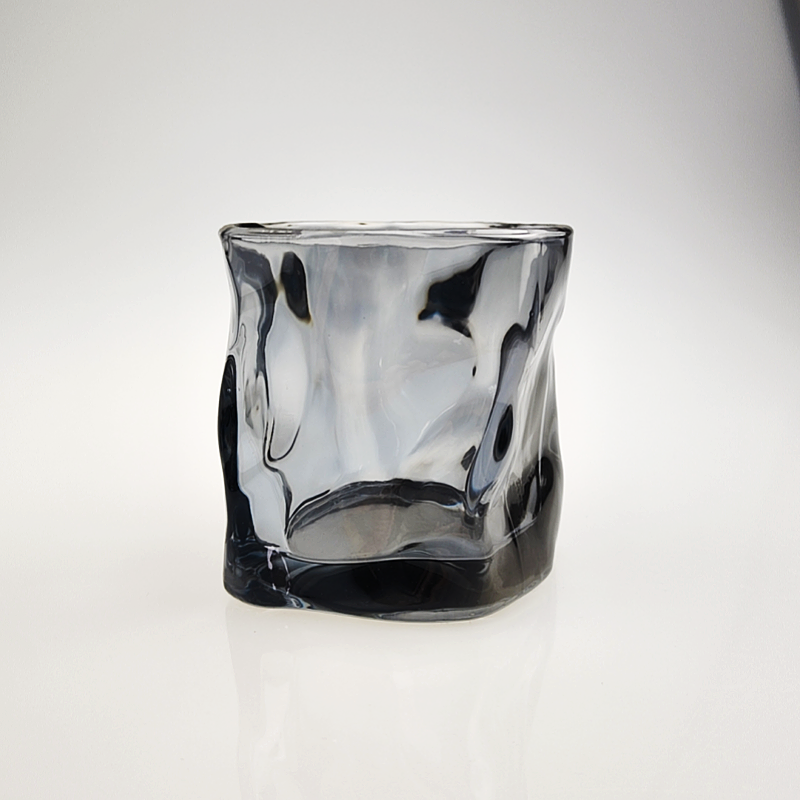
Main Product Categories in Glassware Manufacturing
Glassware manufacturing covers many product categories. Each category has different requirements for forming, wall thickness, decoration, packaging, and quality inspection.
| Product Category | Common Products | Suitable Buyers | Custom Options |
| Drinkware | Tumblers, goblets, mugs, beer glasses, cups | Retailers, hospitality buyers, gift brands | Capacity, shape, color, logo, packaging |
| Kitchen glassware | Storage jars, bowls, containers, measuring glass | Kitchenware sellers, homeware brands | Size, lid, label, printing, box |
| Bathroom glassware | Soap dispensers, tumblers, jars, accessory sets | Home décor retailers, hotel buyers | Color, texture, pump, set combination |
| Decorative glassware | Vases, terrariums, candle holders, display containers | Home décor brands, floral suppliers | Shape, finish, metal parts, gift box |
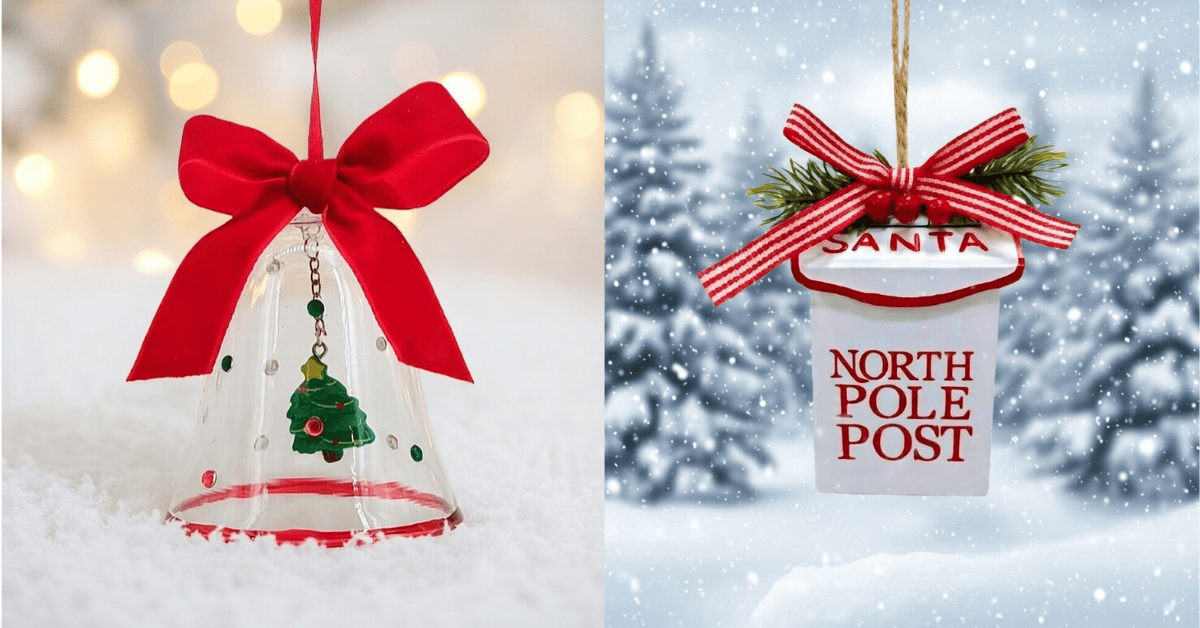
| Glass ornaments | Hanging ornaments, seasonal glass decorations | Gift shops, holiday retailers | Color, painting, glitter, ribbon, box |
| Glass gift sets | Coordinated drinkware or décor sets | Private-label brands, corporate gift buyers | Set structure, logo, insert, retail packaging |
| Custom molded glass | Exclusive shapes and branded designs | Importers, brand owners, retail chains | Mold, capacity, texture, logo, finish |
| Mixed-material glass products | Glass with metal, cork, wood, silicone, or resin | Lifestyle brands, gift suppliers | Assembly, accessories, packaging, labels |
A professional glassware manufacturer should help buyers choose the right product type according to function, market positioning, retail price, and order quantity.
Material, Finish, and Craft Options for Custom Glass Manufacturers
The choice of material and finishing method affects appearance, durability, cost, production time, and packaging requirements. Custom glass manufacturers should recommend options based on product use rather than applying one solution to every project.
| Option | Common Use | Visual or Functional Benefit | Buyer Notes |
| Soda-lime glass | Drinkware, jars, décor, bathroom sets | Clear appearance and broad availability | Suitable for many retail and wholesale glassware products |
| Borosilicate glass | Heat-resistant drinkware, lightweight items | Better thermal resistance and refined look | Often used when heat performance or thin-wall design matters |
| Colored glass | Tumblers, vases, bathroom accessories | Strong shelf appeal and collection value | Color consistency should be checked by physical sample |
| Frosted glass | Candle holders, bottles, bathroom sets | Soft premium appearance | Surface marks and coating consistency need inspection |
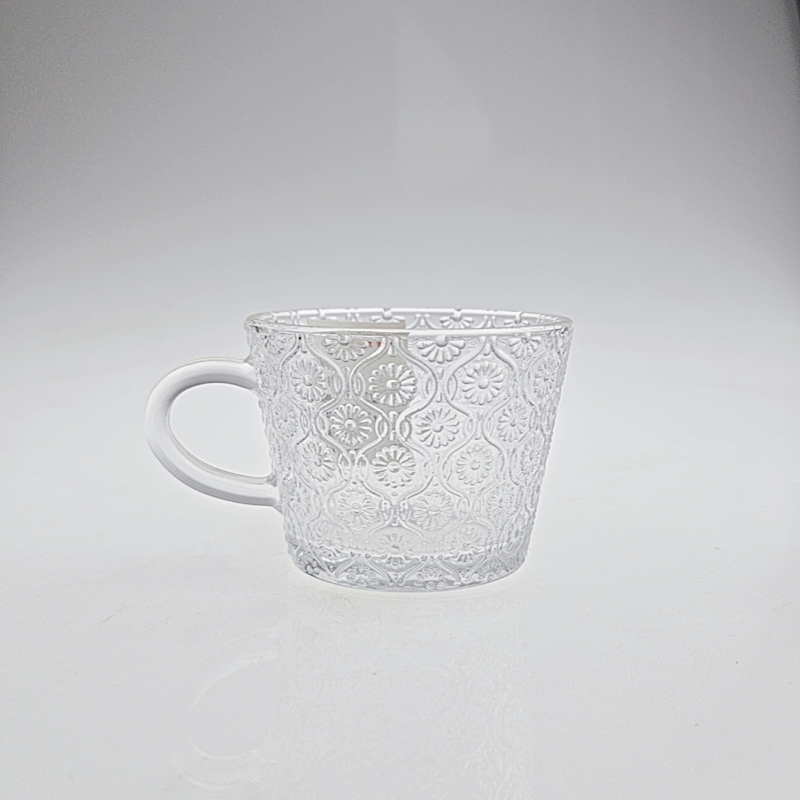
| Textured glass | Drinkware, jars, décor items | Adds grip, depth, and decorative value | Mold detail and surface clarity should be reviewed |
| Spray coating | Colored or gradient glassware | Flexible color customization | Adhesion and scratch resistance should be tested |
| Decal printing | Logos, patterns, gift artwork | Repeatable design application | Artwork position and firing quality need confirmation |
| Screen printing | Brand logos and simple patterns | Clean and efficient for repeated graphics | Best for stable shapes and defined print areas |
| Electroplating effect | Decorative glassware and gift products | Metallic or luxury appearance | Packaging must protect surface finish |
| Hand painting | Ornaments and decorative pieces | Artistic and seasonal value | Variation range should be approved before production |
The right combination of glass type, surface finish, and decoration method should match the target market, product use, packaging style, and price level.
How Custom Glass Products Are Developed
Custom glass manufacturing usually begins with a product idea, reference image, sample, sketch, brand requirement, or retail collection plan. The manufacturer then converts the concept into a production-ready product.
Step 1: Product Concept and Buyer Brief
A useful buyer brief should include:
- Product type
- Target market
- Product size
- Capacity or volume
- Glass color
- Wall thickness preference
- Surface finish
- Logo or artwork file
- Decoration method
- Packaging format
- Estimated order quantity
- Target delivery schedule
- Retail channel
A clear brief helps the supplier recommend the right glass type, forming method, decoration process, and packaging solution.
Step 2: Structure and Manufacturing Review
Before mold development or sampling, the manufacturer should review shape feasibility, wall thickness, base stability, rim finish, handle structure, texture depth, decoration area, and packing contact points.
This step is important because an attractive design may still need adjustment to improve manufacturing consistency, packing safety, or retail usability.
Step 3: Mold or Sample Development
For existing shapes, the supplier may prepare a sample quickly. For custom glass products, mold development may be required.
The sample should confirm:
- Shape and size
- Product weight
- Capacity
- Glass clarity
- Wall distribution
- Rim and base finish
- Color or coating
- Logo placement
- Decoration accuracy
- Packaging fit
- Overall retail presentation
Step 4: Decoration and Packaging Approval
Decoration and packaging should be approved together. A blank glass sample may look correct, but final decoration, coating, label, or ribbon can change how the product fits inside the box.
Buyers should review the complete packed sample before confirming bulk production.
Step 5: Golden Sample and Production Standard
After all details are confirmed, the approved final sample becomes the golden sample. Bulk production should be compared against this reference for size, color, finish, logo, decoration, packaging, and overall workmanship.
OEM and Private Label Options for Glassware Buyers
OEM and private-label glassware programs allow buyers to create exclusive products for retail shelves, gift boxes, hospitality projects, online stores, and brand collections.
| Custom Option | Available Direction | Suitable Use |
| Product shape | Existing mold or custom mold | Retail collections, exclusive brand designs |
| Size and capacity | Standard size or custom capacity | Drinkware, jars, bathroom accessories |
| Glass color | Clear, amber, blue, green, gradient, custom tone | Home décor and lifestyle collections |
| Surface finish | Frosted, textured, glossy, matte, sprayed, plated | Different retail styles and price levels |
| Logo | Printing, decal, label, engraving, packaging logo | Private-label and corporate gift programs |
| Decoration | Pattern, artwork, color coating, hand painting | Seasonal gifts, décor, promotional items |
| Accessories | Lid, pump, cap, ribbon, handle, metal frame, insert | Functional or decorative product sets |
| Packaging | White box, kraft box, color box, window box, gift box | Wholesale, retail, and gift channels |
| Set combination | Single item, 2-piece set, bathroom set, drinkware set | Homeware, hotel, and gift programs |
| Labeling | Barcode, SKU label, hang tag, carton mark | Retail and import order management |
Buyers should decide whether the product is intended for mass retail, premium gifting, hospitality use, e-commerce, or seasonal display before finalizing the customization plan.
Packaging Options for Glassware Manufacturing
Packaging is critical in glassware manufacturing because glass products need both retail presentation and breakage protection. Good packaging should protect the product during handling, storage, international shipping, and customer delivery.
| Packaging Type | Best For | Buyer Benefit |
| OPP bag | Simple wholesale glass accessories | Economical and basic surface protection |
| White box | Standard glassware items | Clean and practical protection |
| Kraft box | Natural-style homeware products | Simple and retail-friendly presentation |
| Color box | Private-label retail glassware | Strong brand display and shelf appeal |
| Window box | Gift glassware and décor items | Shows the product before purchase |
| Gift box | Premium glassware sets and corporate gifts | Higher perceived value |
| Foam insert | Fragile glassware and shaped products | Adds stronger internal protection |
| Molded pulp insert | Sustainable packaging programs | Supports product protection and eco-style branding |
| Corrugated partition | Bulk glassware and drinkware | Separates units during shipping |
| Export carton | Wholesale and import orders | Supports carton strength and shipment control |
Packaging should be tested with the finished decorated product, not only with a blank glass sample. Coatings, decals, handles, pumps, and decorative parts may require additional protection.
Quality Control Checklist for Glassware Manufacturers
Quality control should cover product appearance, structure, decoration, function, packaging, and shipment preparation.
| Inspection Area | What to Confirm |
| Product size | Height, diameter, capacity, wall thickness, and weight follow approved sample |
| Glass clarity | No unacceptable bubbles, stones, dirt, or obvious distortion |
| Rim finish | Smooth rim, safe edge, consistent opening |
| Base stability | Product stands flat and does not wobble |
| Wall distribution | Thickness is suitable for product use and appearance |
| Color consistency | Glass color or coating follows approved sample |
| Surface finish | Frosting, spraying, plating, or texture is consistent |
| Logo or artwork | Correct position, size, spelling, and color |
| Decoration adhesion | Printing, decal, coating, or painting passes handling review |
| Accessories | Lid, pump, cap, ribbon, metal part, or insert fits properly |
| Packaging | Matches approved packaging and protects the product |
| Labeling | SKU, barcode, carton mark, and quantity are correct |
| Final reference | Compared with approved golden sample |
For export orders, buyers should also confirm carton strength, inner protection, carton quantity, gross weight, and pallet or container loading requirements if needed.
MOQ, Lead Time, and Cost Planning for Glassware Manufacturing
MOQ and lead time depend on product type, mold requirements, production method, decoration, packaging, SKU count, and order quantity.
Existing glassware shapes may support faster sampling and lower development cost. Custom glass products usually require mold review, sample development, decoration approval, packaging proof, and production planning.
| Factor | How It Influences the Project | Buyer Planning Tip |
| Existing or custom mold | Custom molds increase development time and cost | Use existing molds for faster launch; use custom molds for exclusive designs |
| Product size | Larger products affect material use and carton size | Balance visual value with shipping efficiency |
| Glass color | Custom color requires color matching and batch control | Approve physical color sample before production |
| Decoration method | Printing, decal, spraying, or hand painting adds process steps | Confirm artwork and durability requirements early |
| Packaging format | Gift boxes and inserts affect unit cost and timeline | Approve packaging before bulk production |
| SKU quantity | More SKUs require more labels and packing control | Provide a clear SKU breakdown |
| Order quantity | Affects production planning and quotation | Share forecast if repeat orders are expected |
| Inspection standard | More detailed inspection may require more time | Confirm QC criteria before production starts |
Buyers should compare quotations using the same size, material, finish, decoration, packaging, and quantity. Otherwise, price comparisons may not reflect the same product standard.
How to Choose a Glassware Supplier or Manufacturer
When buyers search for glassware manufacturers near me, they may be looking for convenience. But for wholesale and private-label glassware, supplier selection should be based on capability, not only distance.
Supplier Evaluation Questions
- Which glassware categories do you produce most often?
- Can you support custom glass products from reference images?
- Do you offer existing molds and custom mold development?
- Which glass types and finishes are available?
- Can you support printing, decal, frosting, spraying, or color coating?
- Can you prepare samples before bulk production?
- How do you control color and decoration consistency?
- What packaging options are suitable for this glassware product?
- Can you support barcode labels and private-label packaging?
- How do you inspect glass clarity, rim finish, base stability, and packing?
- What is the MOQ for existing and custom glassware?
- What is the usual sampling and production timeline?
- How do you retain golden samples for repeat orders?
A professional supplier should provide practical recommendations based on product use, design complexity, packaging requirements, and target sales channel.
Working with HoeGifts for Custom Glassware Manufacturing
HoeGifts supports global buyers with glassware product development, custom gift manufacturing, private-label packaging, sample production, and scalable wholesale supply.
For custom glassware manufacturing projects, buyers can share product references, size requirements, glass color, finish direction, logo files, packaging needs, target quantity, and delivery schedule. The HoeGifts team can review the product concept, suggest suitable customization options, prepare samples, and support bulk production planning.
Whether you need custom glass manufacturers for drinkware, bathroom accessories, decorative glassware, glass gift sets, or private-label home décor products, HoeGifts can help develop a practical production plan for your target market.
Frequently Asked Questions About Glassware Manufacturing
What Is Glassware Manufacturing?
Glassware manufacturing is the process of making glass products by melting raw materials, forming the glass into a shape, cooling it through annealing, applying decoration or finishing, inspecting quality, and packing the finished goods for wholesale or retail use.
How Is Glassware Made?
Glassware is usually made through batching, melting, forming, annealing, surface finishing, decoration, inspection, and packaging. The exact process depends on product type, forming method, glass material, and customization requirements.
What Do Custom Glass Manufacturers Provide?
Custom glass manufacturers provide product development support, mold options, glass color choices, decoration methods, logo application, packaging solutions, sample production, and wholesale order coordination.
Why Do Buyers Search for Glassware Manufacturers Near Me?
Buyers often search for glassware manufacturers near me because they want convenient communication, faster sampling, and reliable service. However, B2B buyers should also evaluate production capability, customization support, packaging experience, QC process, and export reliability.
What Types of Glassware Can Be Customized?
Common custom glassware includes drinkware, tumblers, goblets, jars, bottles, candle holders, vases, bathroom accessory sets, ornaments, decorative containers, and private-label glass gift sets.
What Is the Difference Between Existing Mold and Custom Mold Glassware?
Existing mold glassware uses available product shapes and usually supports faster sampling. Custom mold glassware requires mold development for exclusive shape, size, texture, or branded product design.
Which Glass Type Is Commonly Used for Glassware Products?
Soda-lime glass is widely used for many drinkware, jars, décor items, and bathroom accessories. Borosilicate glass may be selected when heat resistance, thin-wall appearance, or lightweight construction is needed.
Can Glassware Be Private Labeled?
Yes. Private-label glassware can include custom logo, product color, decoration, packaging, barcode labels, hang tags, inserts, gift boxes, and coordinated product series.
What Affects MOQ for Custom Glassware?
MOQ depends on mold requirements, product size, glass color, decoration method, packaging format, SKU quantity, and production schedule.
How Long Does Glassware Sampling Take?
Sampling time depends on whether an existing mold is used, whether custom mold development is required, and whether the product includes color matching, printing, decal, coating, or custom packaging.
Which Packaging Is Suitable for Glassware?
Common packaging includes white boxes, kraft boxes, color boxes, window boxes, gift boxes, foam inserts, molded pulp inserts, corrugated partitions, and export cartons.
How Is Glassware Quality Controlled Before Shipment?
Quality control normally checks size, capacity, weight, glass clarity, rim finish, base stability, color, decoration, accessories, packaging, barcode labels, carton marks, and golden-sample consistency.
What Information Should Buyers Send for a Quotation?
Buyers should provide product references, dimensions, capacity, glass color, surface finish, logo files, decoration requirements, packaging format, target quantity, sales channel, and delivery schedule.
Conclusion: Better Glassware Manufacturing Starts with Better Product Planning
A professional glassware manufacturer helps buyers turn product ideas into practical, attractive, and retail-ready glass products. The right supplier should understand material selection, forming method, mold development, decoration, packaging, quality control, MOQ, lead time, and wholesale order management.
For custom glass products, successful development starts with a clear product brief, suitable glass type, practical structure, accurate decoration files, physical sample approval, protective packaging, and consistent production records.
For wholesale glassware and private-label home décor programs, the best results come from matching product design with the target market, retail channel, packaging strategy, and order scale.
HoeGifts works with buyers who need glassware manufacturing support, custom glass manufacturers, and wholesale glassware solutions for gift, home décor, hospitality, and retail programs. Share your product idea, reference image, size, glass color, finish direction, quantity, packaging requirement, and delivery schedule to receive a suitable development and quotation plan.