Choosing a promotional gifts manufacturer is a sourcing decision, not just a price comparison. A sample may look acceptable while bulk production introduces logo drift, color variation, weak packaging, or a missed campaign date. This guide gives B2B buyers a practical way to evaluate a supplier before committing to an order.
What a reliable promotional gifts manufacturer should answer
A capable supplier should explain materials, decoration methods, sampling, MOQ, lead time, packaging, inspection, and export documentation. Ask what is made in-house, what is outsourced, who approves changes, and how the approved sample is protected during production.
Buyer Cheat Sheet
| Check | Confirm |
|---|---|
| Product fit | Material, use case, target cost, destination market |
| Branding | Logo method, color reference, position, durability |
| Commercial terms | MOQ, sample cost, tooling, payment, lead time |
| Delivery risk | Packaging, inspection, cartons, freight assumptions |
Why promotional gifts matter to B2B buyers
Promotional gifts represent a brand in front of employees, customers, event visitors, and retail shoppers. The product must be useful or memorable, but it also needs repeatable quality. Distributors may need mixed SKUs and price tiers. Corporate buyers may need kits delivered to a fixed date. Retail buyers often need barcodes, shelf-ready packaging, and dependable replenishment.
What products can be used as promotional gifts?
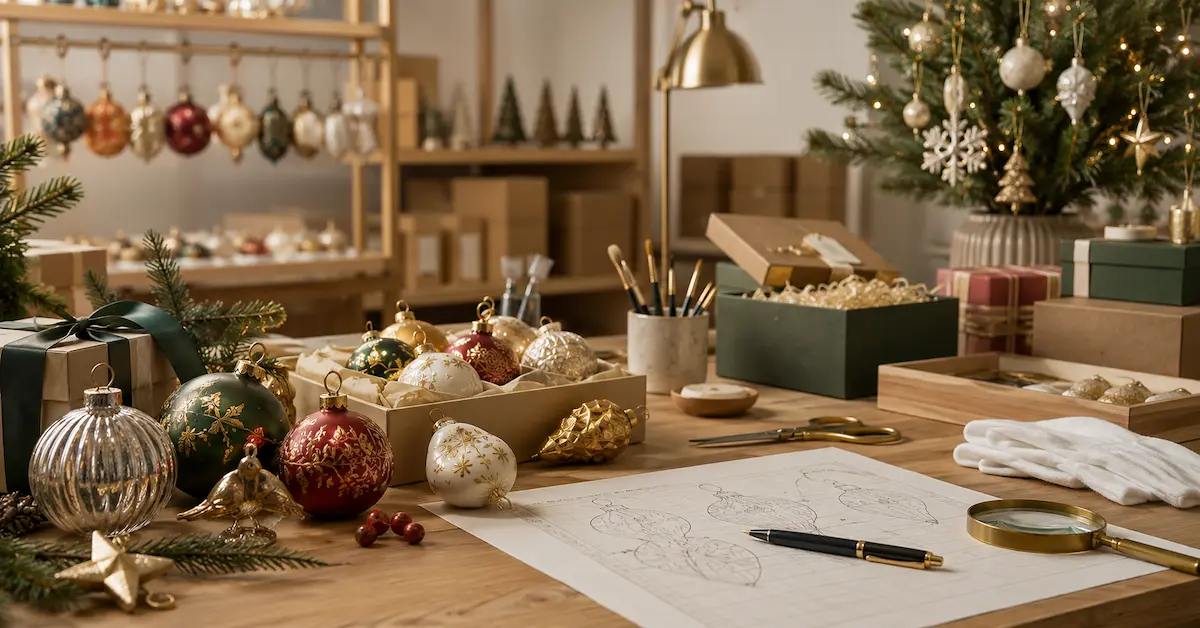
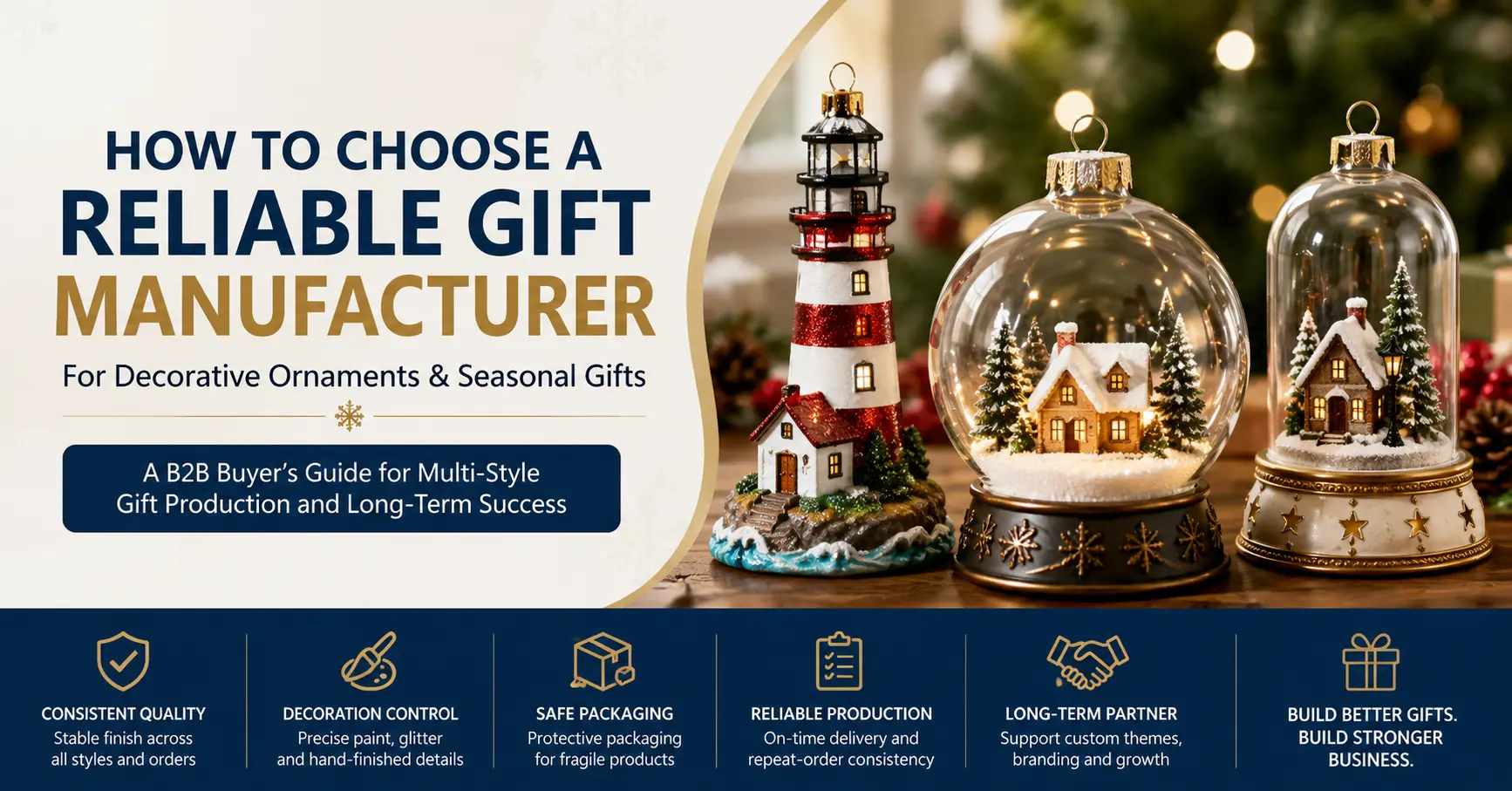
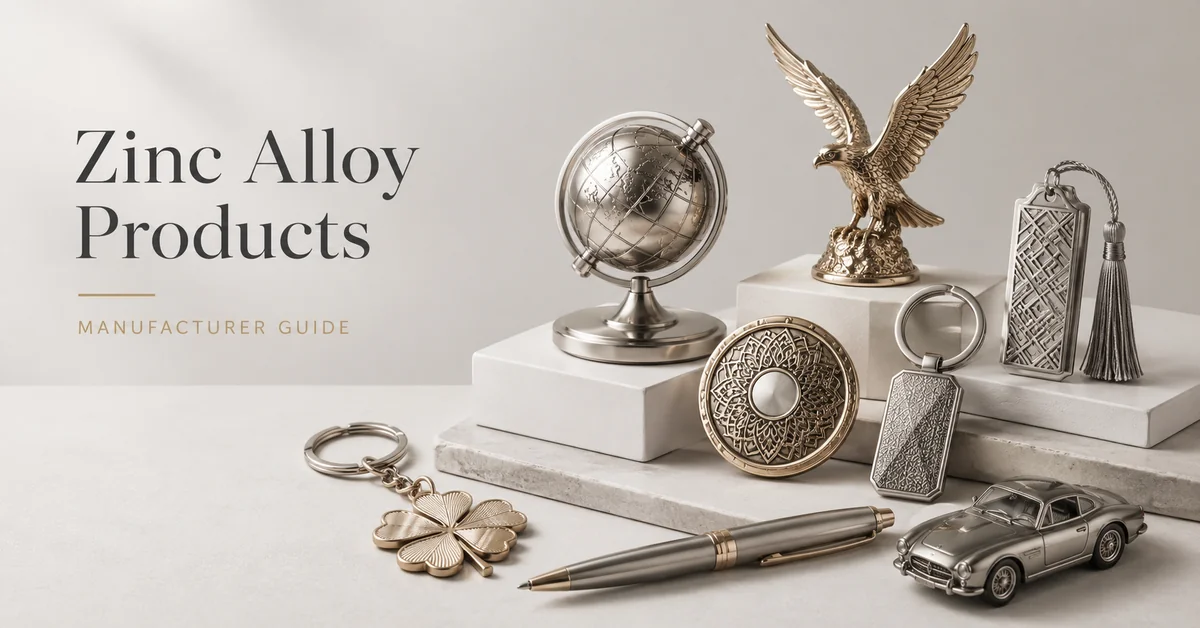
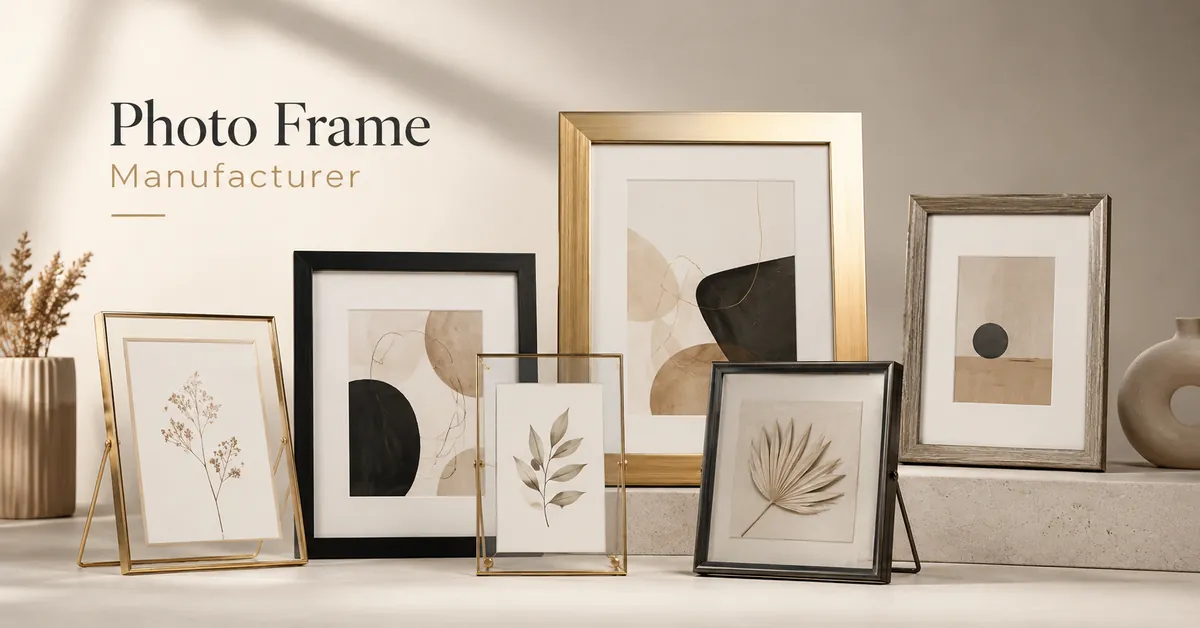
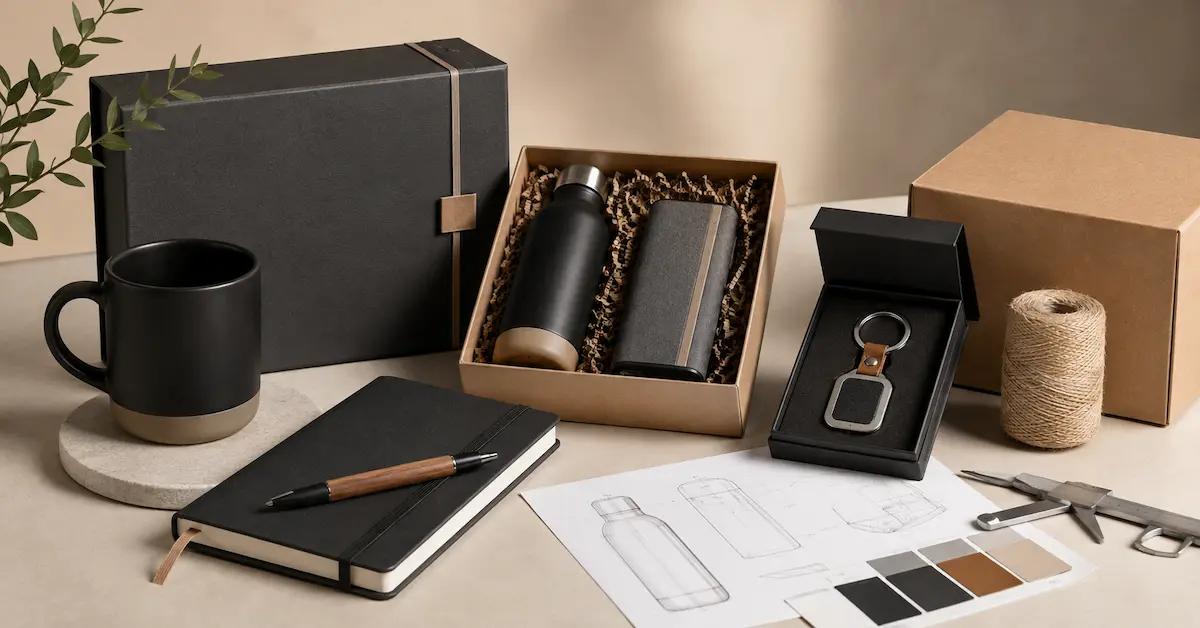
Common categories include glassware and drinkware, metal gifts and souvenirs, silicone products, desk accessories, photo frames, ornaments, home décor, and mixed-material gift sets. Choose by audience, use environment, expected service life, and the way the logo will appear on the surface.
Manufacturer vs supplier
| Manufacturer | General supplier |
|---|---|
| Explains materials, tooling, processes, and QC points | May provide a wider catalog sourced from several factories |
| Better suited to custom development and repeat production | Useful when variety and speed matter more than deep customization |
| Usually controls the approved sample and production changes | Buyer must clarify who owns responsibility for defects |
Main product and material options
| Material | Branding or craft options | Buyer concern |
|---|---|---|
| Glass | Decal, print, frosting, engraving | Surface consistency and protective packing |
| Metal | Die casting, stamping, plating, laser marking | Mold cost, finish, scratch protection |
| Silicone | Molding, debossed logo, printed detail | Material grade, odor, color consistency |
| Mixed materials | Assembly, bonding, hand finishing | Fit, adhesion, and set presentation |
How custom branded products are developed
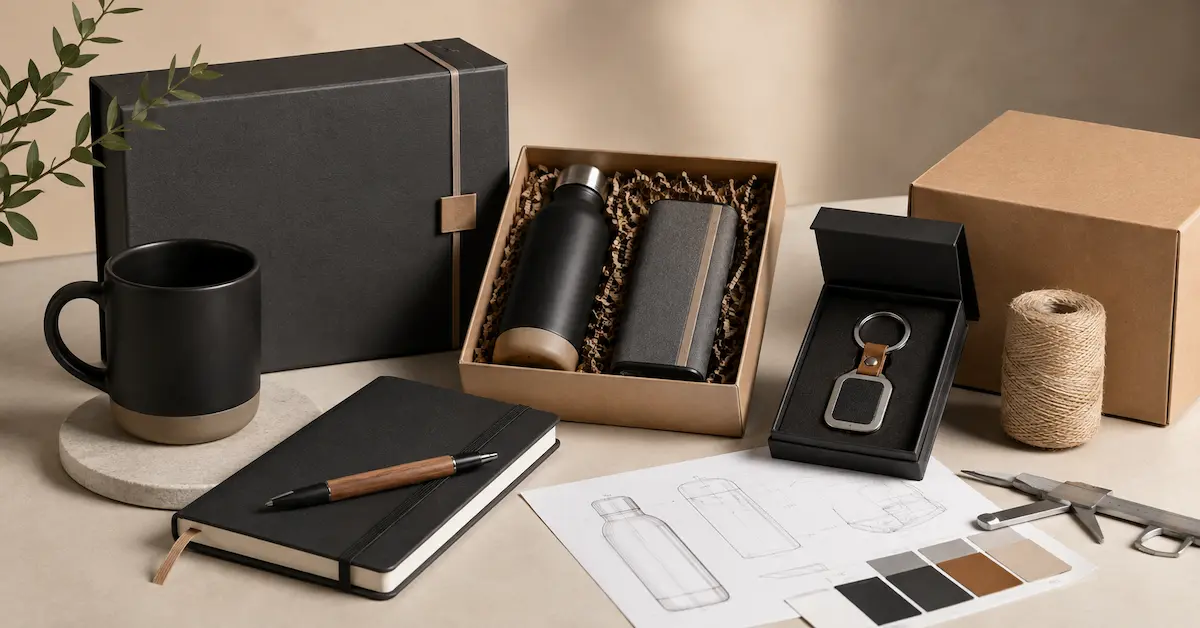
- Prepare a brief with product, quantity, use case, dimensions, target cost, destination, and delivery date.
- Ask for feasibility feedback on materials, decoration, tooling, and packaging.
- Approve a quotation that separates sample, tooling, product, packaging, inspection, and freight assumptions.
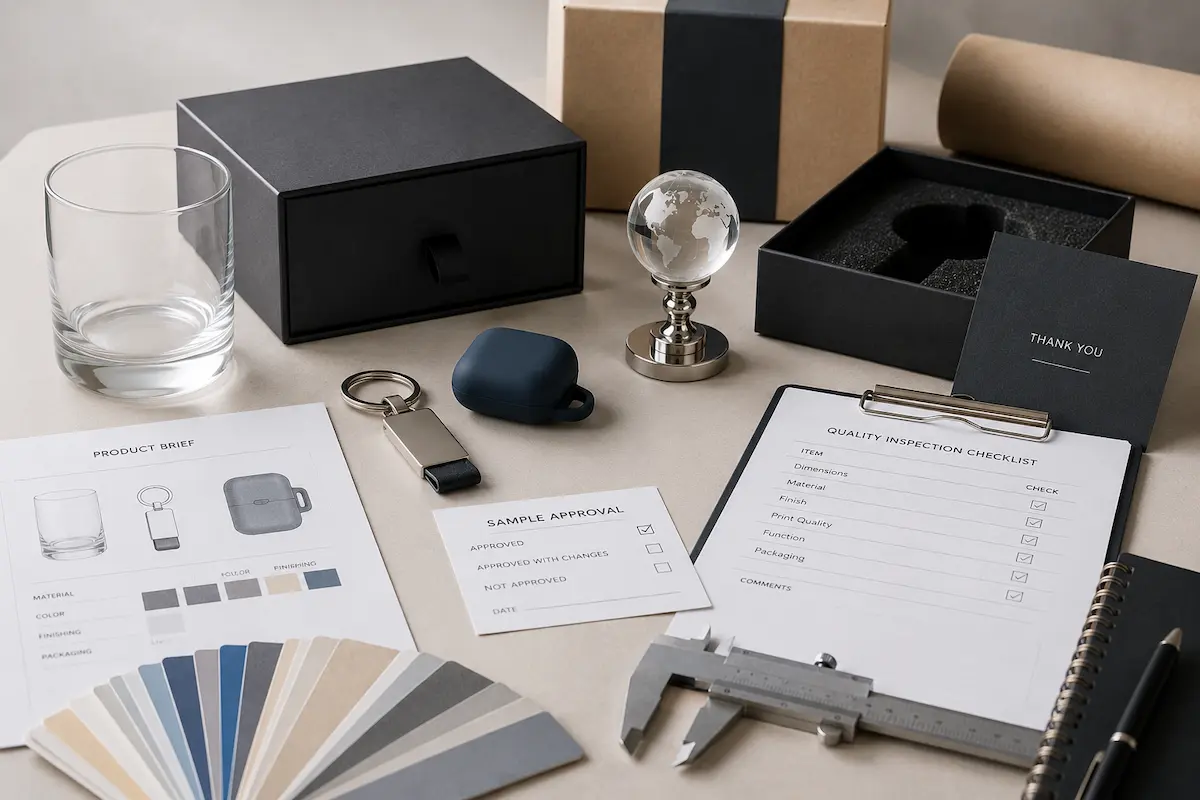
- Review the prototype and record artwork, colors, dimensions, finish, and function.
- Approve a pre-production sample before bulk manufacturing.
- Inspect production, verify cartons, and keep shipment records.
OEM and private-label options
| Option | Best fit | Prepare |
|---|---|---|
| Custom logo | Existing product with new branding | Vector artwork and color reference |
| OEM development | New mold, shape, or specification | Sketches, dimensions, target cost |
| Private label | Branded collection with retail packaging | Dieline, labels, barcode, inserts |
Packaging and quality control
Packaging should protect the product and support the selling channel. Confirm individual protection, dividers or inserts, retail boxes, carton marks, barcode placement, and pallet requirements. Quality checks should cover dimensions, finish, logo position, function, quantity, defects, cartons, and packing lists.
MOQ, lead time, and cost planning
Ask for MOQ by SKU, color, decoration method, and packaging configuration. Sample lead time is different from bulk lead time. Include tooling, packaging, inspection, freight, and possible rework in the budget. A low MOQ may increase unit cost; a large order may increase inventory risk.
How to choose a promotional gifts manufacturer
Compare suppliers against the same written brief. Look for clear answers, realistic schedules, consistent samples, documented quality checks, and willingness to discuss risks. A reliable promotional gifts manufacturer will check feasibility before promising every option.
Working with HoeGifts
HoeGifts supports B2B buyers exploring seasonal gifts, decorative products, glassware, metal products, silicone items, mixed-material gifts, OEM development, and private-label packaging. Share your reference image, quantity, materials, branding method, packaging needs, destination, and campaign schedule.
FAQ
What is the usual MOQ?
MOQ depends on product construction, decoration, tooling, and packaging. Request a SKU-level MOQ.
How do I compare suppliers?
Use the same brief and compare product fit, sample quality, communication, MOQ, lead time, packaging, inspection, and landed cost.
Can the packaging be customized?
Confirm boxes, inserts, labels, barcodes, dielines, and approval timing before production.
Which logo method is best?
It depends on material, surface, durability, color, and cost. Approve a physical sample.
How can quality risk be reduced?
Use an approved sample, written defect standard, staged inspection, protective packaging, and clear carton documentation.
Conclusion
When a supplier can connect product choice, branding, packaging, inspection, and delivery into one workable plan, the sourcing decision becomes much easier. Share your product brief with HoeGifts and start with the details that matter to your campaign.