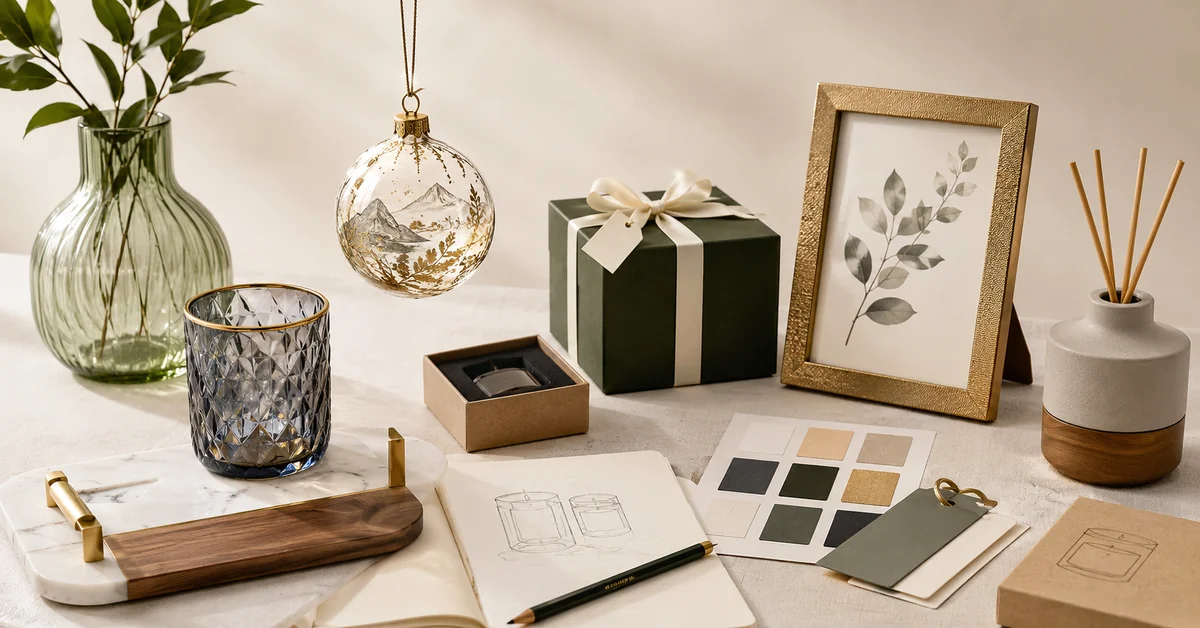


For global retailers and gift brands, choosing an OEM/ODM gift manufacturer is not simply a matter of comparing prices or factory capacity. The supplier must understand seasonal deadlines, multi-material production, product compliance, packaging, quality consistency, and the commercial risks behind every retail launch.
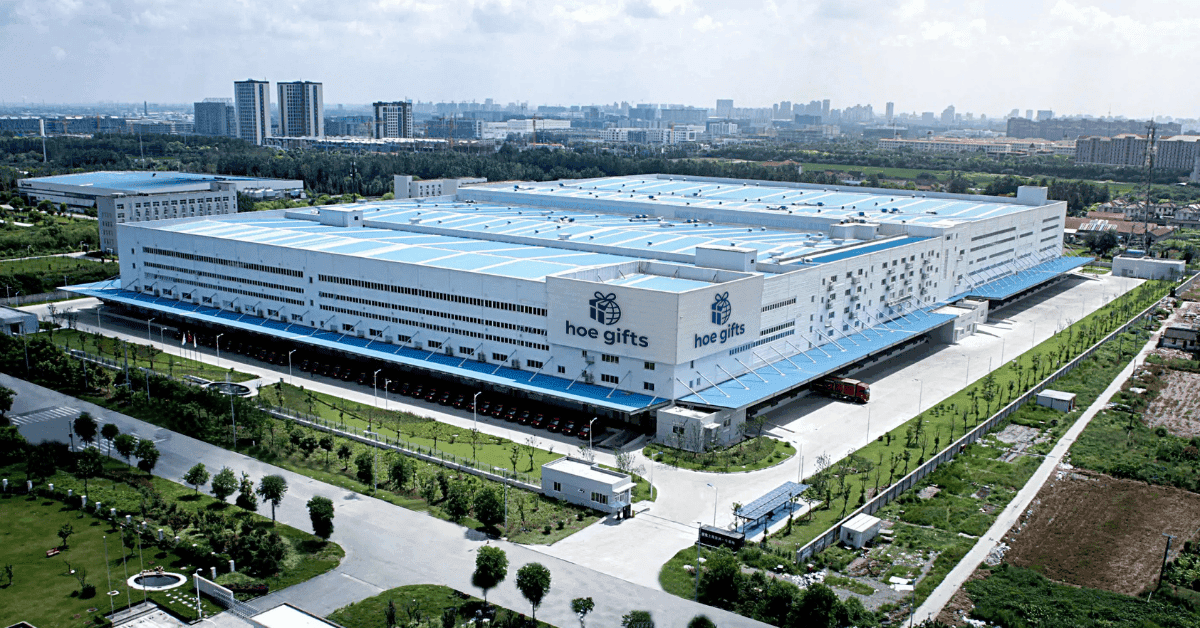
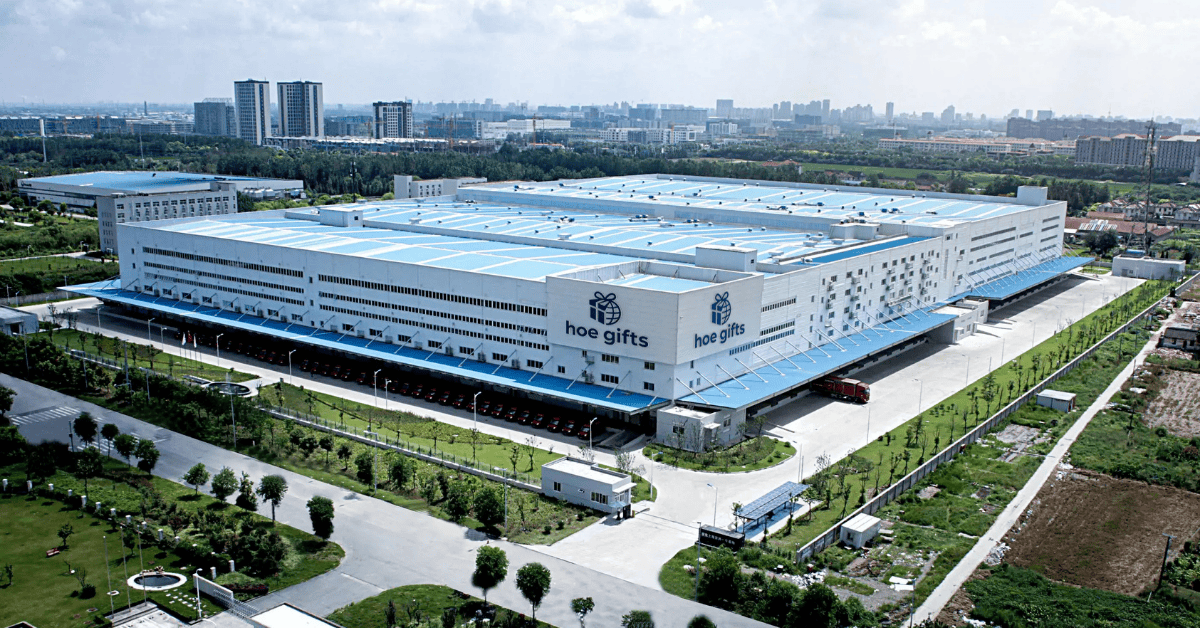
This first official company news article marks an important milestone for HoeGifts. It reflects more than a factory update. It represents the progress we have made since 2010—from a production-focused gift supplier in Jiangmen, Guangdong, to a manufacturing partner supporting international retailers, brands, wholesalers, and licensed merchandise programs.
According to our company cooperation records, HoeGifts has supported projects connected with internationally recognized organizations including Costco, Disney, Hallmark, Hobby Lobby, QVC, Sam’s Club, Target, and Walmart.
These relationships were not built through one successful order. They developed through repeated product approvals, stable manufacturing, quality control, packaging coordination, and delivery aligned with retail calendars.
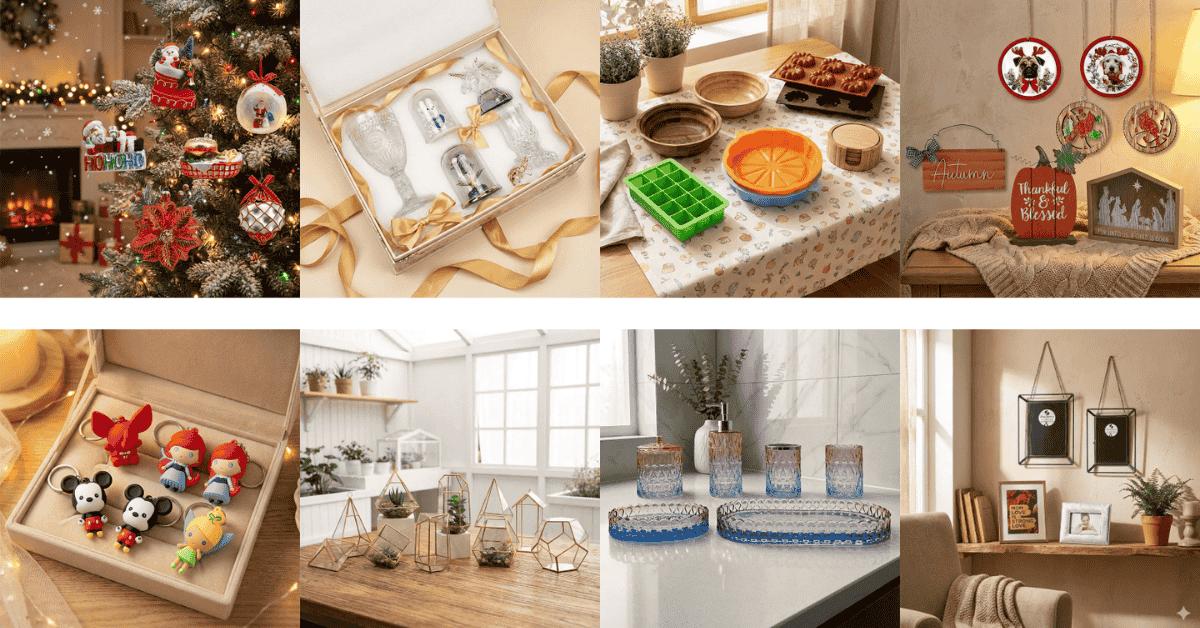
Today, HoeGifts supplies customers in more than 40 countries, with a strong presence in North America and Europe. Our product scope includes glass ornaments, drinkware, decorative photo frames, silicone accessories, zinc alloy products, metal home décor, bathroom accessories, kitchen gifts, and mixed-material decorations.
What Makes HoeGifts a Long-Term Manufacturing Partner?
HoeGifts is an OEM/ODM manufacturer specializing in decorative gifts, seasonal products, glassware, silicone products, metal products, and mixed-material home décor.
Our role extends from early-stage product development to final export preparation. Depending on the project, we support:
- Product concept and feasibility review
- Material and process recommendations
- Technical drawing and prototype development
- Custom mold and tooling coordination
- OEM and ODM production
- Licensed merchandise workflows
- In-process and final quality control
- Retail and e-commerce packaging
- Mixed-SKU production management
- International shipment preparation
For B2B buyers, the value of this model is straightforward: fewer disconnected suppliers, clearer project ownership, and stronger control from concept to delivery.
Key Reasons Global Buyers Choose Stable Gift Manufacturers
International buyers commonly evaluate a manufacturing partner according to five areas:
| Buyer concern | What the manufacturer must demonstrate |
|---|---|
| Product quality | Stable materials, clear standards, and repeatable workmanship |
| Delivery | Production planning aligned with launch and shipping dates |
| Compliance | Relevant factory, product, material, and packaging documentation |
| Customization | Practical OEM/ODM development without uncontrolled complexity |
| Communication | Accurate updates, fast issue response, and transparent decisions |
A competitive quotation may win an initial inquiry. Long-term cooperation depends on what happens after the order is confirmed.
From a Gift Factory to a Solution-Oriented Manufacturer
HoeGifts was established in 2010 with a clear purpose: to provide reliable manufacturing services for customers sourcing home décor, gifts, seasonal products, and customized merchandise.
In our early years, most projects followed a conventional OEM model. Customers supplied designs and specifications, and our teams focused on production execution.
As international cooperation expanded, project requirements became more complex.
Customers needed support with:
- Product structure
- Material compatibility
- Retail pricing targets
- Surface finishing
- Packaging efficiency
- Compliance documentation
- Seasonal production schedules
- Repeat-order consistency
This changed the role of the factory.
Instead of waiting for a final instruction sheet, our product and production teams began participating earlier in the development process. That allowed us to identify risks before tooling, recommend more practical materials, and improve products before mass production.
Company Development Milestones
| Development stage | Main focus | Value created for customers |
| Initial factory stage | Production and order execution | Basic OEM supply capability |
| Process-development stage | Material, quality, and workflow improvement | More stable batch consistency |
| International growth stage | Export, audits, packaging, and compliance | Support for global retail programs |
| Solution-manufacturing stage | OEM/ODM, multi-material projects, licensed products | Faster and more controlled product development |
| Long-term partnership stage | Repeat programs and category expansion | Lower sourcing risk and stronger continuity |
This growth was built gradually. It depended on process discipline rather than rapid expansion alone.
Why Manufacturing Stability Matters in Seasonal Gifts
The gift and home décor business is highly sensitive to timing.
Christmas ornaments, Valentine’s Day gifts, Easter decorations, Halloween products, wedding collections, and promotional items all have defined selling windows.
A product delivered late may lose much of its commercial value, even when the workmanship is acceptable.
For this reason, seasonal manufacturing requires the supplier to manage:
- Artwork confirmation
- Material sourcing
- Mold development
- Sampling and revisions
- Product testing
- Packaging approval
- Bulk production
- Final inspection
- Freight booking
- Warehouse arrival
The manufacturing calendar must work backward from the required retail date.
Main Risks in Seasonal Gift Production
| Risk | Commercial consequence | Manufacturing response |
| Late sample approval | Reduced production and shipping time | Set clear approval deadlines |
| Material inconsistency | Different colors or finishes between SKUs | Use approved material and color standards |
| Complex handwork | Variable quality and slow production | Standardize manual processes |
| Weak packaging | Breakage, scratching, and customer returns | Test packaging with final products |
| Mixed-SKU errors | Wrong items or labels in cartons | Use barcode and packing controls |
| Late delivery | Missed seasonal sales window | Build production and freight buffers |
Supporting Global Retail Standards
Large retailers and established brands usually operate through detailed internal systems. Their requirements often go beyond the visible product.
A retail program may include:
- Factory qualification
- Social or ethical audits
- Approved product specifications
- Material records
- Product safety testing
- Packaging standards
- Barcode and labeling rules
- Pre-shipment inspections
- Corrective-action procedures
- Delivery performance reviews
HoeGifts structures its workflows around these project requirements.
The exact process varies by product and customer, but the underlying principle remains the same: the approved sample, specification, artwork, and packaging standard must guide production.
How Our Product Development Process Works
Product Brief and Market Review
The project begins with information from the buyer.
This may include:
- Product references
- Target market
- Retail channel
- Material preference
- Dimensions
- Estimated quantity
- Target price
- Packaging requirement
- Required delivery date
A clear brief helps us determine whether the concept is suitable for the intended market and manufacturing process.
Feasibility and Risk Review
Our teams review:
- Product structure
- Material choice
- Mold requirements
- Manual operations
- Surface decoration
- Assembly
- Packaging
- Production capacity
- Potential quality risks
When necessary, we propose changes before tooling begins.
A small design adjustment at this stage can prevent large-scale problems later.
Sample and Golden Sample Approval
Physical samples allow the buyer to evaluate:
- Shape
- Weight
- Color
- Texture
- Decoration
- Function
- Packaging
- Overall workmanship
After revisions are completed, the approved sample becomes the golden sample.
The golden sample is used as the physical reference for production and inspection. It reduces ambiguity that cannot be resolved through photographs alone.
Bulk Production and Quality Control
Production is completed according to the approved specification.
Depending on the product, inspection may take place during:
- Incoming material preparation
- Glass forming
- Metal casting
- Silicone molding
- Painting or plating
- Printing
- Hand decoration
- Assembly
- Packaging
This staged approach allows problems to be corrected before the entire order is completed.
Quality Control Designed Around the Product
Different products require different inspection priorities.
| Product category | Critical quality points |
| Glass ornaments | Cracks, chips, annealing, decoration, hanging strength |
| Drinkware | Rim quality, capacity, thermal use, decoration, food-contact requirements |
| Silicone products | Hardness, tear resistance, color, molding, attachment strength |
| Zinc alloy products | Casting quality, plating, enamel, corrosion, assembly |
| Photo frames | Corner joints, transparent cover, backing, stand stability |
| Mixed-material décor | Alignment, adhesives, component interaction, packaging |
| Bathroom accessories | Surface durability, corrosion resistance, function, fixing parts |
Our aim is not to rely only on final inspection. Quality checkpoints are placed where defects are most likely to develop.
AQL-Based Inspection and Buyer Requirements
Some customer programs use AQL sampling standards for final inspection.
Where applicable, the buyer and supplier should confirm:
- Inspection level
- Critical defects
- Major defects
- Minor defects
- Acceptable quality limits
- Sample size
- Reinspection procedure
AQL inspection is useful, but it does not replace process control.
A finished-goods inspection can identify defects. It cannot recover production time after an entire batch has been manufactured incorrectly.
OEM Manufacturing for Repeatable Retail Programs
OEM projects begin with an existing customer design, specification, or approved sample.
HoeGifts supports OEM buyers by controlling:
- Product dimensions
- Material
- Color
- Surface finish
- Logo
- Decoration
- Assembly
- Packaging
- Production timing
For repeat orders, continuity is particularly important.
Relevant project records may include:
- Technical drawings
- Approved artwork
- Physical samples
- Color references
- Packaging files
- Material details
- Production notes
These records help maintain consistency when a product returns for another season or is expanded into new markets.
ODM Development for New Gift and Home Décor Products
ODM customers may begin with an idea rather than a completed design.
They may provide:
- A seasonal theme
- A reference image
- A character direction
- A product category
- A target price
- A target consumer
- A retail concept
Our development process can then cover:
- Concept interpretation
- Material selection
- Structural design
- Cost and feasibility review
- Prototype production
- Sample revisions
- Packaging development
- Bulk production planning
The goal is not only to create something visually different. The product must also be practical to manufacture, ship, display, sell, and reorder.
Managing Customization Without Losing Scalability
Customization can improve market differentiation, but it also creates production risks.
Common customized elements include:
- Shape
- Size
- Color
- Logo
- Surface finish
- Printed artwork
- Packaging
- Accessories
- Regional versions
- Seasonal designs
The development team must decide which elements require a completely new process and which can use a modular approach.
For example, one existing product shape may support several retail collections through different:
- Colors
- Decals
- Ribbons
- Charms
- Packaging designs
- Printed messages
This reduces tooling investment and can make test-market orders more practical.
Core Product Categories
Decorative Hanging Ornaments
Our hanging ornament category includes products made from glass, metal, resin, acrylic, fabric, ribbons, and mixed materials.
Applications include:
- Christmas
- Winter décor
- Wedding gifts
- Anniversary keepsakes
- Travel souvenirs
- Licensed merchandise
- Personalized collections
Glassware and Glass Décor
This category includes:
- Glass tumblers
- Cups
- Candle holders
- Decorative vessels
- Hanging decorations
- Figurines
- Gift sets
Material and manufacturing methods are selected according to appearance, use, quantity, price positioning, and target market.
Silicone Accessories and Novelty Gifts
Silicone products may include:
- Keychains
- Coasters
- Sanitizer holders
- Promotional accessories
- Character products
- Molded functional gifts
Customization can cover shape, hardness, color, logo, artwork, attachment, and packaging.
Metal and Zinc Alloy Products
Metal categories include:
- Fridge magnets
- Frames
- Souvenirs
- Hooks
- Bathroom accessories
- Gift-box hardware
- Tabletop decorations
Available processes may include die casting, polishing, plating, powder coating, painting, enamel filling, and assembly.
Mixed-Material Home Décor
Mixed-material projects can combine:
- Glass
- Metal
- MDF
- Acrylic
- Sand
- Fabric
- Resin
- Silicone
These projects require careful control because each additional material affects assembly, tolerances, surface protection, and packaging.
Decorative Photo Frames
Photo frames may use aluminum alloy, zinc alloy, MDF, wood, resin, glass, acrylic, or combined structures.
Buyers can customize:
- Frame size
- Photo opening
- Finish
- Color
- Backing
- Stand
- Hanging hardware
- Branding
- Retail packaging
Packaging as Part of the Manufacturing Solution
Packaging affects more than presentation.
It directly influences:
- Breakage
- Scratching
- Carton space
- Freight cost
- Retail compliance
- E-commerce performance
- Unboxing experience
Fragile products may require:
- Molded inserts
- Corrugated partitions
- Corner protection
- Inner boxes
- Strong master cartons
Decorated products may need non-abrasive protection to prevent finishes from rubbing against the packaging.
By reviewing packaging during development, we can reduce late changes that affect cost and delivery.
Supporting Licensed and Branded Product Programs
Licensed merchandise involves additional controls beyond normal OEM production.
These may include:
- Factory authorization
- Protected artwork
- Character guidelines
- Approved territories
- Approved product categories
- Artwork version control
- Packaging legal lines
- Sample approval records
- Production quantity control
- Confidential molds and files
Our licensed-product procedures focus on documentation, controlled access, traceability, approval checkpoints, and separation between licensed and non-licensed production.
Authorization and project scope must be confirmed before protected artwork or molds enter production.
What B2B Buyers Should Verify Before Selecting a Gift Manufacturer
A buyer evaluating an OEM/ODM gift manufacturer should ask:
- Which product categories does the factory specialize in?
- Which processes are completed in-house?
- How are outsourced processes controlled?
- Can the supplier support mixed materials?
- How are physical samples approved?
- Are golden samples retained?
- How is color controlled for repeat orders?
- Can the supplier support product compliance?
- How is packaging developed and tested?
- Can the supplier manage multiple SKUs?
- What is the sample and production lead time?
- How are delays and defects handled?
These questions provide more useful information than asking only for factory size or the lowest quotation.
Frequently Asked Questions About HoeGifts
What Products Does HoeGifts Manufacture?
HoeGifts manufactures glass ornaments, drinkware, photo frames, silicone accessories, zinc alloy gifts, metal décor, bathroom accessories, kitchen gifts, and mixed-material home décor products.
Does HoeGifts Provide OEM Services?
Yes. We manufacture products based on customer designs, samples, artwork, specifications, and packaging requirements.
Does HoeGifts Support ODM Product Development?
Yes. We can support concept development, material recommendations, structural review, sampling, packaging, and production planning.
Can HoeGifts Produce Custom Molds?
Custom mold development is available depending on the material, product structure, order quantity, and project requirements.
Can Buyers Customize Colors and Packaging?
Yes. Customization can include colors, finishes, logos, artwork, accessories, labels, retail boxes, gift boxes, and export cartons.
Does HoeGifts Manufacture Licensed Merchandise?
HoeGifts supports licensed merchandise projects when the relevant factory authorization, product category, territory, and project scope have been confirmed.
How Is Product Quality Controlled?
Quality control may include incoming-material checks, first-piece approval, in-process inspection, golden-sample comparison, and final verification.
Can HoeGifts Handle Mixed-SKU Orders?
Mixed-SKU production is possible depending on product quantities, packaging requirements, barcode systems, and production planning.
Which Markets Does HoeGifts Serve?
HoeGifts serves customers in more than 40 countries, with significant business in North America and Europe.
Does HoeGifts Offer Low-MOQ Programs?
MOQ depends on tooling, materials, decoration, packaging, and process complexity. Existing molds and standard structures may support lower-volume trial projects.
How Early Should Seasonal Projects Begin?
Custom seasonal projects should begin early enough to cover design, tooling, sampling, testing, production, shipping, and retail distribution.
What Information Is Needed for a Quotation?
Buyers should provide product references, dimensions, material preferences, quantity, customization, packaging, target market, and required delivery date.
Building Long-Term Value Through Manufacturing Partnership
Changing suppliers may sometimes reduce the initial unit price, but it can introduce other costs:
- New sample development
- New color approval
- Packaging revisions
- Compliance review
- Process learning
- Quality variation
- Delivery uncertainty
For mature retail programs, supplier continuity can improve efficiency and reduce risk.
This is why long-term buyers evaluate not only price but also:
- Stability
- Communication
- Responsiveness
- Process knowledge
- Repeat-order consistency
- Compliance readiness
- Delivery performance
HoeGifts aims to build value in these areas through documented processes and ongoing cooperation.
Our Long-Term Vision
The gift and home décor industry continues to change.
Buyers increasingly expect:
- Faster development
- Flexible customization
- Lower trial quantities
- Sustainable packaging
- Better traceability
- Market-specific designs
- Digital project communication
- Reliable compliance support
Our future investment will continue to focus on:
- Product-development capability
- Skilled production teams
- Process optimization
- Quality-control systems
- Supply-chain stability
- Responsible manufacturing
- Packaging efficiency
- Customer communication
Our goal is not simply to manufacture more products. It is to build a system capable of supporting the long-term growth of our customers.
Conclusion: A New Milestone Built on Trust and Consistency
This first official company news article represents an important step for HoeGifts.
It reflects our development from a production-focused factory into an OEM/ODM gift manufacturer supporting international retailers, licensed brands, wholesalers, and private-label customers.
The trust behind these relationships was built through daily execution:
- Following approved specifications
- Developing practical products
- Controlling materials and processes
- Protecting customer artwork
- Managing quality
- Improving packaging
- Meeting seasonal deadlines
- Supporting repeat orders
- Communicating transparently
For buyers seeking a manufacturer of glass, silicone, metal, zinc alloy, photo frame, or mixed-material gift products, HoeGifts can provide product-development review, sampling, OEM/ODM manufacturing, packaging, and export support.
Contact our team to request a product evaluation, quotation, sample-development plan, or customized manufacturing proposal.