


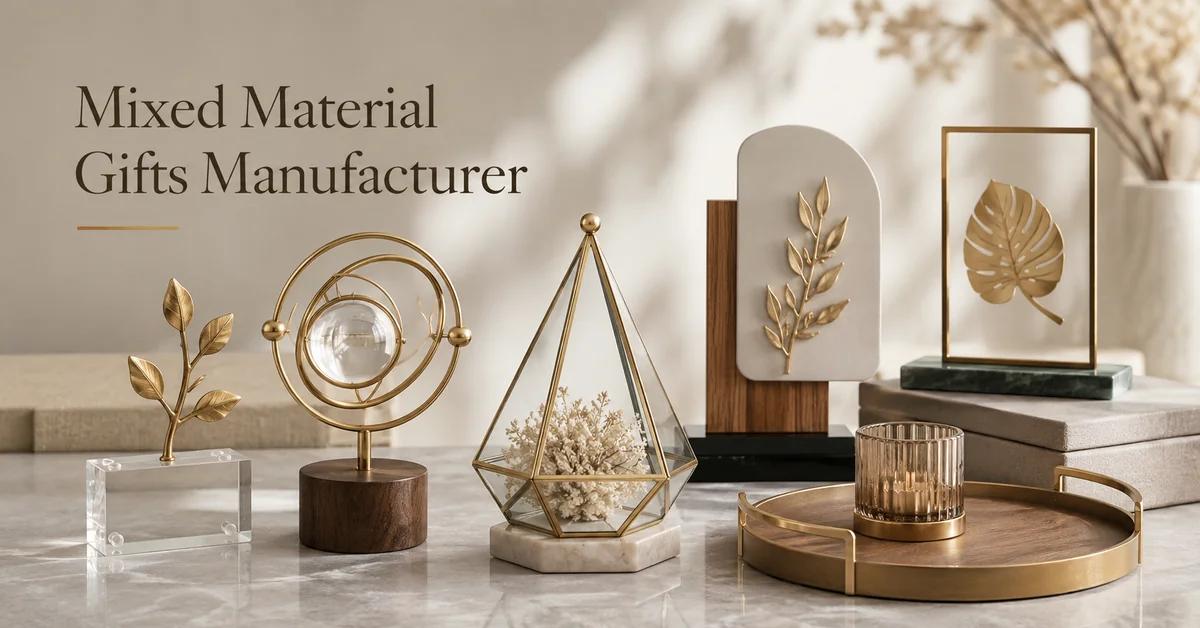
Mixed material gifts are becoming more important in the gift and home décor market because buyers want products that look richer, feel more valuable, and support more flexible design ideas.
A simple wooden decoration may feel too plain. A metal item may feel too cold. A glass product may need extra structure or packaging support. When materials such as glass, metal, MDF, wood, acrylic, resin, fabric, silicone, paperboard, and zinc alloy are combined correctly, the final product can have stronger visual appeal and better retail value.
For retailers, importers, wholesalers, corporate gift buyers, and private-label brands, choosing the right mixed material gifts manufacturer is not only about price. It is about whether the supplier can control different materials, coordinate multiple processes, manage packaging, reduce defects, and deliver stable products at scale.
This guide explains how to evaluate a mixed material decor supplier, how custom mixed material products are developed, what wholesale mixed material gifts buyers should confirm, and how mixed material home decor OEM projects can move from concept to retail-ready production.

What Makes a Reliable Mixed Material Gifts Manufacturer?
A reliable mixed material gifts manufacturer should understand how different materials work together in one product. Buyers should check whether the supplier can review structure, material compatibility, surface finish, assembly method, adhesive strength, packaging protection, MOQ, lead time, and quality control. For custom mixed material products and mixed material home decor OEM projects, the supplier should provide samples, retain golden samples, control mixed-SKU packing, and support export-ready packaging.
Key Takeaways for B2B Buyers
- A mixed material gifts manufacturer should be evaluated by material knowledge, assembly control, packaging ability, and production consistency.
- A mixed material decor supplier must understand how glass, metal, MDF, wood, acrylic, resin, silicone, fabric, and paperboard interact in one product.
- Custom mixed material products require early feasibility review because each material may have different tooling, color, finish, and tolerance requirements.
- Wholesale mixed material gifts should be checked for durability, surface finish, packaging protection, and carton control before bulk shipment.
- Mixed material home decor OEM projects are suitable for private-label brands, retailers, seasonal collections, corporate gifts, and lifestyle décor programs.
- A mixed material gift factory should help buyers identify risks before sampling, not after production has already started.
What Are Mixed Material Gifts?
Mixed material gifts are gift or home décor products made by combining two or more materials in one design.
Common combinations include:
- Glass and metal
- Wood and acrylic
- MDF and iron
- Resin and magnet
- Zinc alloy and enamel
- Glass and fabric
- Silicone and metal
- Paperboard and decorative accessories
- MDF, metal, and LED components
- Glass, sand, and decorative inserts
The purpose is not simply to use more materials. The goal is to create a better product experience.
A mixed material product may feel warmer because it includes wood. It may look more premium because it includes metal. It may feel more delicate because it includes glass. It may become more giftable because it includes fabric, ribbon, or a special display box.
For B2B buyers, this creates more design space and more opportunities for differentiation.
Why Mixed Material Gifts Are Popular in B2B Markets
Mixed material gifts are useful because they can serve both decorative and practical purposes.
They are common in:
- Home décor collections
- Seasonal gift programs
- Holiday decorations
- Photo frames
- Fridge magnets
- Tabletop decorations
- Wall plaques
- Candle holders
- Glass display boxes
- Garden decorations
- Corporate gifts
- Souvenir products
- Private-label homeware
A single product can combine function, display value, emotional meaning, and brand customization.
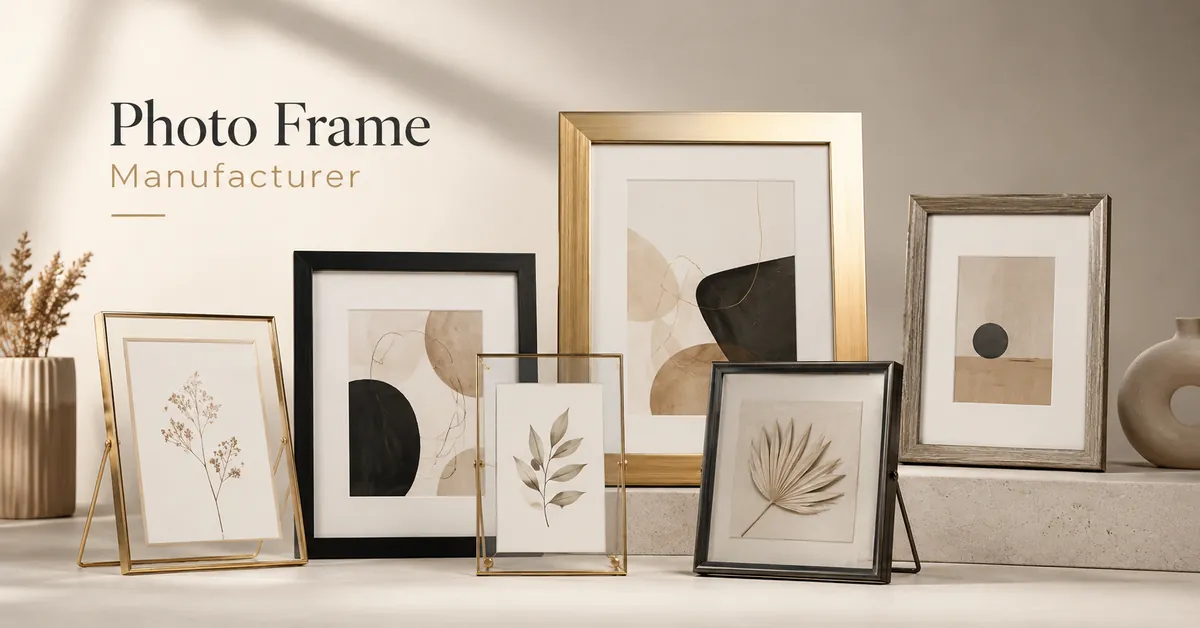
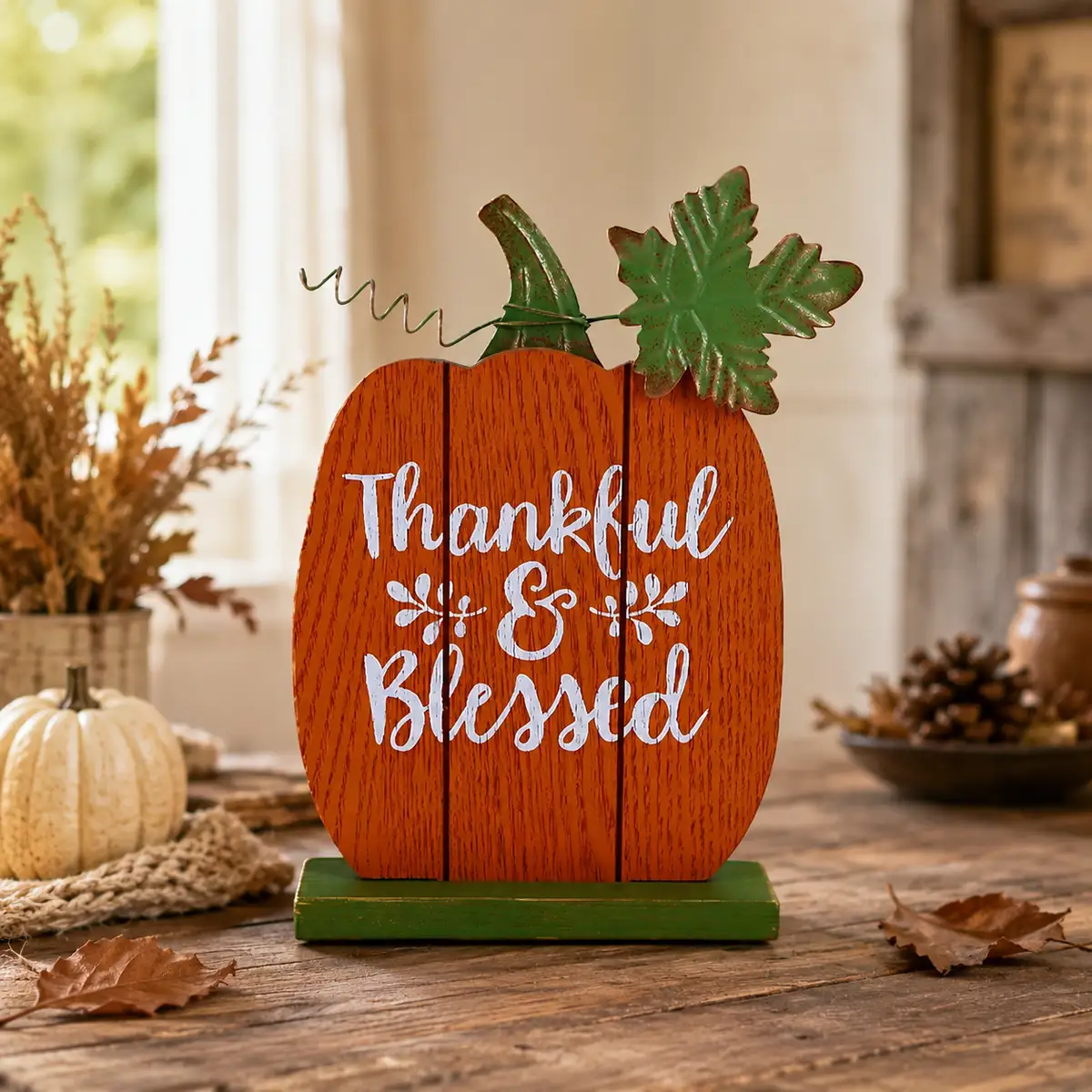
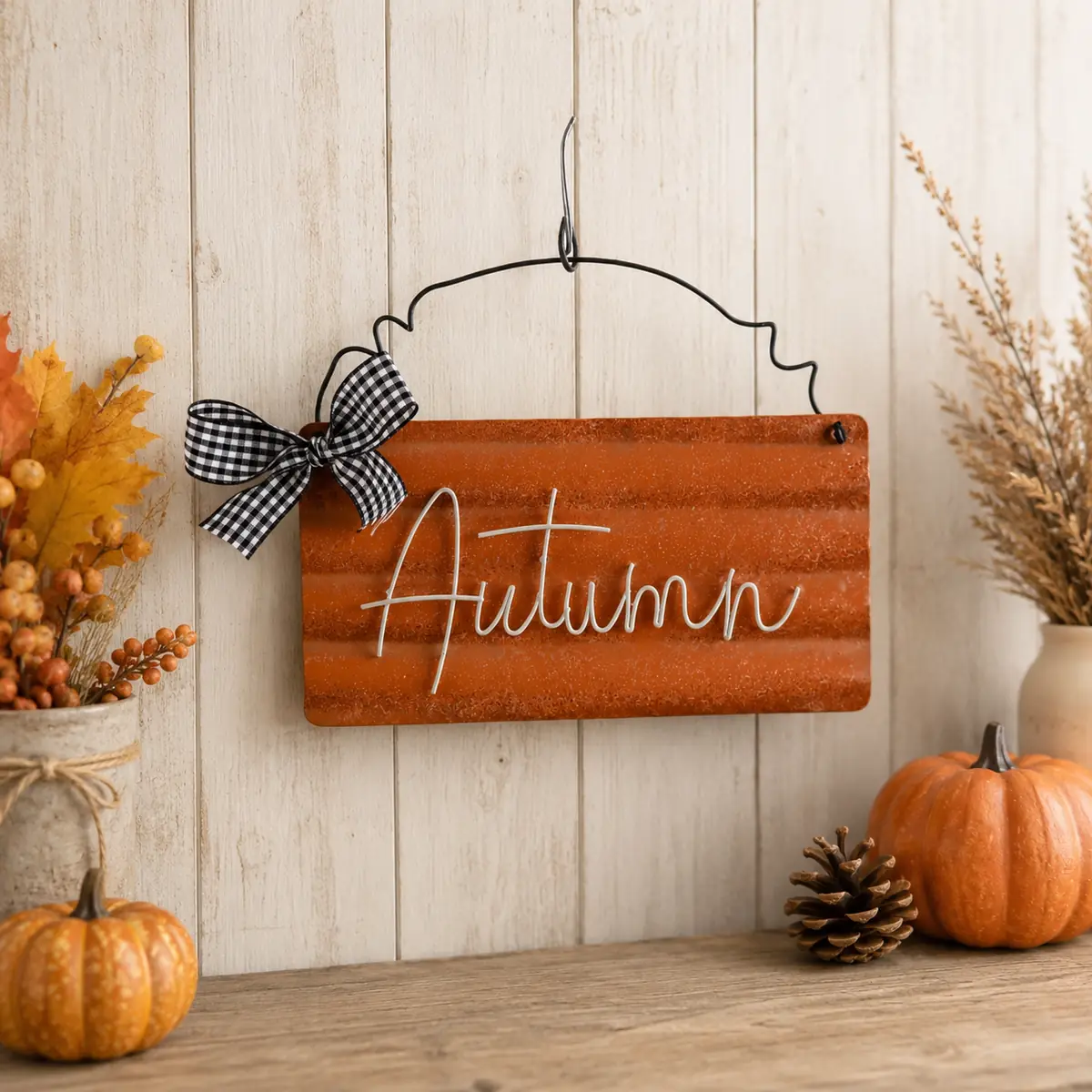
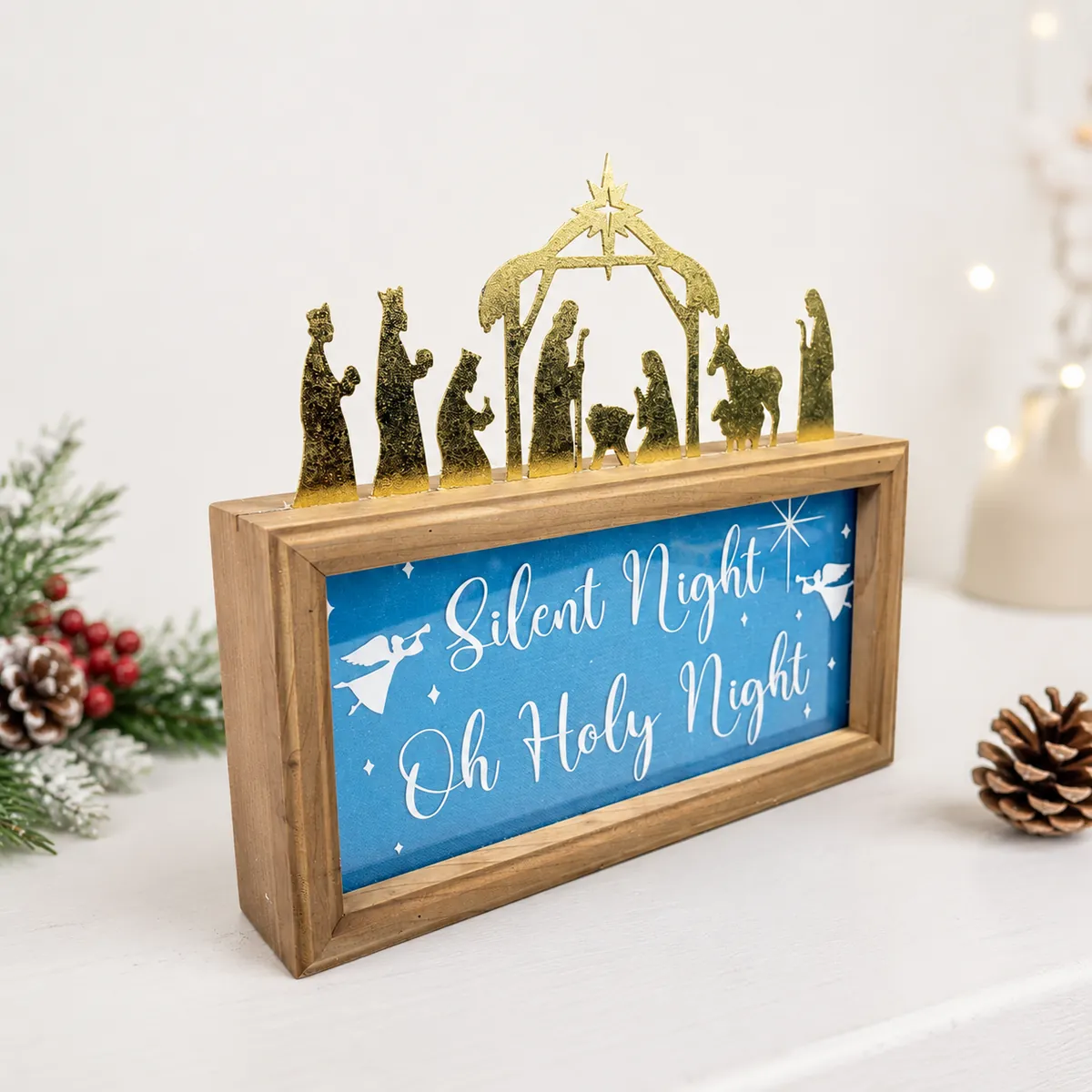
For example, a metal-and-glass photo frame can work as home décor and a wedding gift. A wood-and-metal holiday sign can work as seasonal decoration and a retail gift item. A resin-and-magnet souvenir can work as a travel keepsake and a promotional product.
This flexibility is one reason why many buyers look for a mixed material decor supplier instead of a single-material product source.
Mixed Material Gifts Manufacturer vs Mixed Material Decor Supplier
Buyers often use “manufacturer” and “supplier” together, but the roles can be different.
| Supplier Type | Main Role | Best For | Buyer Risk |
|---|---|---|---|
| Mixed material gifts manufacturer | Controls production, assembly, and quality | OEM, ODM, repeat orders, private label | Need to verify real production capability |
| Mixed material decor supplier | Sources or supplies mixed décor products | Fast catalog sourcing, small mixed orders | Less control over material and process |
| Trading company | Coordinates multiple factories | Broad product range in one order | Quality consistency may vary |
| Mixed material gift factory | Produces or assembles selected categories | Bulk production and custom development | Needs clear project specifications |
If the buyer needs standard products from an existing catalog, a mixed material decor supplier may be enough.
If the buyer needs custom mixed material products, private-label packaging, custom color, custom artwork, special assembly, or repeat-order consistency, a mixed material gifts manufacturer or factory partner is usually more suitable.
Common Mixed Material Gift Categories for Retail and Wholesale
Mixed material gifts can cover many product types. The right category depends on the buyer’s target market, price level, retail channel, and packaging requirements.
| Product Category | Common Materials | Suitable Buyers | Buyer Notes |
| Photo frames | Metal, glass, MDF, acrylic | Home décor retailers, wedding gift suppliers | Check corner finish, backing, glass protection |
| Hanging ornaments | Glass, metal, ribbon, acrylic, resin | Seasonal retailers, gift brands | Check hanging strength and packaging |
| Fridge magnets | Resin, zinc alloy, acrylic, silicone, magnet | Souvenir buyers, promotional brands | Check magnet strength and artwork clarity |
| Tabletop décor | MDF, metal, glass, fabric | Home décor brands, gift shops | Check stability and surface finish |
| Wall signs | MDF, metal, rope, ribbon | Farmhouse décor retailers | Check hanging parts and carton protection |
| Candle holders | Glass, metal, wood | Lifestyle stores, seasonal buyers | Check heat exposure and surface coating |
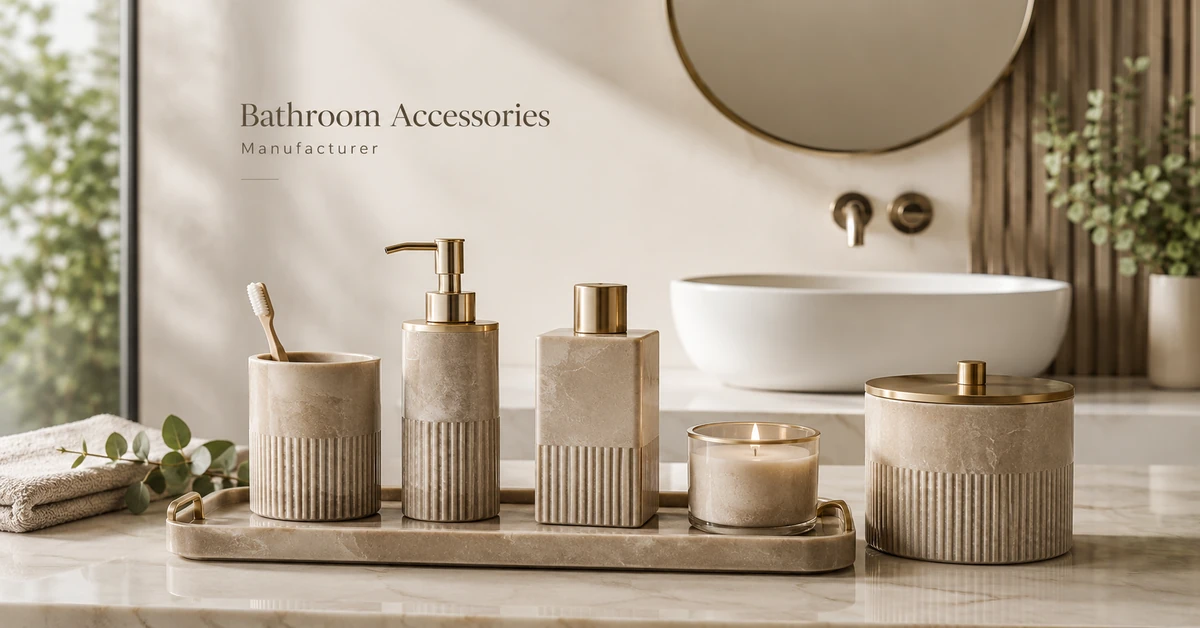
| Bathroom accessories | Glass, metal pump, tray | Homeware and hotel suppliers | Check pump quality and packaging |
| Garden gifts | Metal, glass, chain, enamel | Garden centers, gift stores | Check outdoor exposure and hanging parts |
A strong mixed material gift factory should understand how to control each material and how the final product behaves after assembly.
Why Custom Mixed Material Products Need Feasibility Review
Custom mixed material products often look simple in a drawing, but production can become complicated.
A product may require different suppliers, molds, finishes, drying times, assembly steps, and packaging methods. If these details are not reviewed early, the buyer may face delays, cost changes, or inconsistent quality.
Material Compatibility
Different materials react differently during production, storage, and shipping.
Glass can break. Metal can scratch or rust if the finish is weak. MDF can absorb moisture. Acrylic can scratch. Silicone can attract dust. Fabric can fray. Paperboard packaging can deform if the carton is not strong enough.
A manufacturer should review how the materials work together before sampling.
Assembly Method
Mixed material gifts often depend on adhesive, screws, clips, wires, chains, hooks, magnets, or inserted components.
The assembly method affects:
- Product strength
- Appearance
- Safety
- Repair risk
- Production speed
- Final inspection
- Packaging protection
A beautiful sample is not enough. Buyers should ask whether the assembly method can remain stable during bulk production.
Surface Finish Control
Mixed material products may include painting, powder coating, plating, printing, engraving, UV printing, enamel filling, decals, or hand painting.
Each finish has its own risk.
The factory should confirm color standards, drying time, scratch resistance, inspection distance, and acceptable variation before production begins.
Material Options for Mixed Material Home Decor OEM
Mixed material home decor OEM projects require careful material selection because the product must look attractive and remain practical for production.
| Material | Common Use | Advantage | Buyer Control Point |
| Glass | Display boxes, frames, candle holders, décor panels | Clear, premium, giftable | Check thickness, edge safety, breakage risk |
| Metal | Frames, plaques, hooks, stands, ornaments | Strong structure and decorative finish | Check coating, plating, rust resistance, sharp edges |
| MDF | Signs, plaques, tabletop décor, bases | Lightweight and easy to shape | Check moisture resistance and edge finish |
| Wood | Trays, frames, stands, rustic gifts | Natural look and warm texture | Check cracking, coating, color variation |
| Acrylic | Display items, inserts, clear panels | Lightweight and clear | Check scratches and printing adhesion |
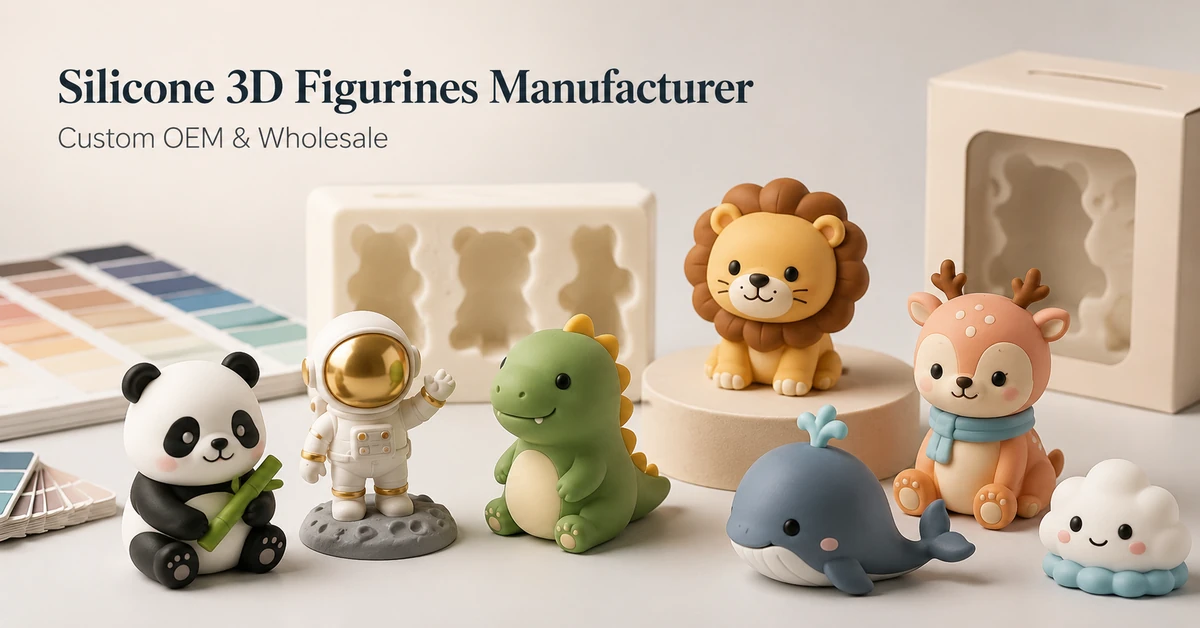
| Resin | 3D decorative figures, magnets, ornaments | Strong detail and colorful effect | Check bubbles, paint quality, weight |
| Silicone | Small gifts, accessories, flexible parts | Soft, colorful, durable | Check hardness, dust, odor, and molding |
| Fabric or ribbon | Hanging décor, gift accents, packaging | Adds warmth and gift value | Check fraying, color, attachment |
| Paperboard | Gift boxes, backing cards, inserts | Supports retail presentation | Check strength, printing, barcode area |
The best material combination depends on target price, product size, display method, packaging, and sales channel.
How a Mixed Material Gift Factory Develops a Custom Product
A structured workflow helps buyers reduce mistakes.
Step 1 — Product Brief Review
The buyer should provide:
- Product reference photos
- Target market
- Product size
- Material preference
- Color direction
- Logo or artwork
- Packaging style
- Estimated quantity
- Target price
- Delivery date
A clear brief helps the mixed material gifts manufacturer evaluate whether the concept can be produced efficiently.
Step 2 — Feasibility Review
The factory reviews:
- Material availability
- Mold or tooling needs
- Surface finish options
- Assembly structure
- Adhesive or hardware strength
- Packaging protection
- MOQ
- Lead time
- Possible quality risks
This is the stage where problems should be found.
If the product is too heavy, too fragile, too hard to pack, or too slow to assemble, it should be adjusted before sampling.
Step 3 — Sampling
A physical sample confirms:
- Size
- Weight
- Material
- Color
- Finish
- Assembly
- Function
- Hanging strength
- Packaging fit
- Overall presentation
For custom mixed material products, buyers should check the full finished sample, not only separate parts.
Step 4 — Golden Sample Approval
The approved sample becomes the golden sample.
It should include:
- Final material
- Final color
- Final surface finish
- Final logo
- Final assembly
- Final packaging
- Final label or barcode if required
Both buyer and supplier should retain a physical reference.
Step 5 — Bulk Production and Inspection
Bulk production follows the approved standard.
Final checks should include material, appearance, assembly, function, packaging, quantity, SKU labels, and carton marks.
Wholesale Mixed Material Gifts Buying Checklist
Wholesale mixed material gifts can involve many SKUs, materials, and packaging types. Buyers should use a checklist before confirming the order.
| Checklist Item | What to Confirm |
| Product specification | Size, material, weight, finish, components |
| Material combination | Main material, secondary material, accessories |
| Assembly method | Glue, screw, chain, hook, magnet, insert, hinge |
| Surface finish | Coating, painting, plating, printing, hand finish |
| Packaging | OPP bag, backing card, gift box, insert, export carton |
| MOQ | Existing item MOQ vs custom item MOQ |
| Sampling time | Mold, color, artwork, packaging proof |
| Lead time | Production, assembly, inspection, packing |
| Quality standard | Defect criteria and golden sample |
| SKU control | Barcode, label, carton mark, mixed packing |
| Shipping | Carton size, gross weight, fragile protection |
Wholesale buyers should always confirm whether the quotation includes final packaging and export carton requirements.
Private Label and Mixed Material Home Decor OEM
Private-label buyers often need more than the product itself.
They may need:
- Custom packaging
- Brand logo
- Barcode labels
- Warning labels
- Instruction cards
- Gift boxes
- Display cards
- Color-matched product sets
- Retail-ready cartons
- Series development
Mixed material home decor OEM is suitable for buyers who want exclusive product lines instead of generic catalog items.
Private Label Packaging Options
| Packaging Type | Best For | Buyer Benefit |
| OPP bag with label | Low-cost wholesale décor | Simple and economical |
| Backing card | Magnets, ornaments, small hanging products | Good for peg display |
| Kraft box | Eco-style home décor and gifts | Natural presentation |
| Color box | Retail shelves and seasonal products | Strong visual branding |
| Window box | Display-friendly gift products | Shows product before purchase |
| Gift box | Premium décor and corporate gifts | Increases perceived value |
| Molded insert | Fragile glass or mixed-material items | Improves protection |
| Display carton | Retail counters and promotion areas | Supports merchandising |
Packaging should be tested with the final product because mixed materials can create pressure points inside the box.
Quality Control for Mixed Material Gifts
Quality control is more complex for mixed material gifts than for single-material products.
The inspector must check every component and the final assembled product.
| Inspection Area | What to Check |
| Material | Matches approved sample and specification |
| Color | Matches color standard across all components |
| Surface finish | No scratches, stains, rust, bubbles, or peeling |
| Glass or acrylic parts | No cracks, chips, sharp edges, or heavy scratches |
| Metal parts | No sharp burrs, weak coating, or loose hardware |
| MDF or wood parts | No warping, cracking, rough edges, or moisture damage |
| Assembly | Components are aligned, secure, and stable |
| Function | Product stands, hangs, opens, closes, or displays correctly |
| Logo or artwork | Correct position, color, clarity, and spelling |
| Packaging | Product is protected and presentation is correct |
| SKU and labels | Correct barcode, label, carton mark, and quantity |
| Final standard | Compared with approved golden sample |
For mixed material products, small defects can reduce perceived value quickly. A loose chain, tilted frame, scratched glass, rough MDF edge, or weak adhesive may lead to complaints.
MOQ, Lead Time, and Cost Factors
MOQ and lead time depend on product complexity.
A simple standard item with minor packaging changes may support a lower MOQ. A fully custom mixed material product with new molds, special finishes, hand assembly, and gift packaging usually needs a higher MOQ.
| Cost Factor | Why It Matters |
| Number of materials | More materials require more sourcing and coordination |
| Mold or tooling | Custom shapes may need new tooling |
| Surface finish | Plating, painting, coating, and printing add process steps |
| Manual assembly | More handwork increases labor time and variation risk |
| Packaging | Gift boxes, inserts, and display cards add cost |
| SKU quantity | More SKUs require stronger packing control |
| Quality standard | More inspection steps reduce risk but may affect cost |
| Shipping volume | Fragile or bulky products increase freight pressure |
Buyers should compare quotations based on the same specifications. A lower price may exclude better packaging, stronger material, inspection, or barcode handling.
Common Risks in Mixed Material Gift Projects
| Risk | Common Cause | Recommended Control |
| Parts do not fit well | Tolerance between materials not reviewed | Check assembled sample before approval |
| Weak adhesive | Wrong glue or surface preparation | Test bonding strength |
| Surface scratches | Poor handling or packaging friction | Add protective packing |
| Color inconsistency | Different materials absorb color differently | Approve physical color standard |
| Rust or coating issue | Weak surface treatment | Confirm finish and storage condition |
| Packaging damage | Product pressure points ignored | Test packed sample |
| SKU confusion | Many color or material variants | Use barcode and packing checklist |
| Cost increase | Packaging or accessories added late | Lock specifications before sampling |
| Late delivery | Too many processes not planned | Build full timeline early |
| Repeat-order variation | No retained sample or production record | Keep golden samples and artwork files |
A strong mixed material gifts manufacturer should explain these risks before production, not after defects appear.
How to Choose a Mixed Material Decor Supplier
Before selecting a mixed material decor supplier, buyers should ask:
- Which mixed material categories do you produce most often?
- Do you support OEM and ODM development?
- Can you work with glass, metal, MDF, acrylic, resin, silicone, and fabric?
- Can you develop custom mixed material products from references or drawings?
- How do you review structure and assembly risks?
- Can you provide samples before bulk production?
- How are golden samples retained?
- What packaging options are available?
- Can you manage fragile products for export?
- How do you control mixed-SKU orders?
- What affects MOQ and lead time?
- What information is needed for an accurate quotation?
A good supplier should provide practical feedback. It should not simply say yes to every request.
Frequently Asked Questions About Mixed Material Gifts
What Is a Mixed Material Gifts Manufacturer?
A mixed material gifts manufacturer develops and produces gift products made from two or more materials, such as glass with metal, MDF with iron, resin with magnets, or wood with acrylic.
What Is a Mixed Material Decor Supplier?
A mixed material decor supplier provides decorative products made from different materials for home décor, seasonal gifts, retail displays, corporate gifts, and private-label programs.
What Are Custom Mixed Material Products?
Custom mixed material products are items developed according to buyer requirements, including shape, size, materials, colors, logo, finish, packaging, and retail presentation.
What Products Are Suitable for Mixed Material Home Decor OEM?
Suitable products include photo frames, hanging ornaments, tabletop décor, candle holders, wall signs, glass display boxes, fridge magnets, bathroom accessories, and garden decorations.
What Materials Are Commonly Used?
Common materials include glass, metal, MDF, wood, acrylic, resin, silicone, fabric, zinc alloy, paperboard, and decorative accessories.
What Determines MOQ for Mixed Material Gifts?
MOQ depends on materials, mold requirements, surface finish, number of colors, assembly complexity, packaging, SKU quantity, and production schedule.
How Long Does Sampling Take?
Sampling time depends on product complexity, material availability, tooling, color proofing, surface finish, packaging development, and revision rounds.
Can Mixed Material Gifts Be Private Labeled?
Yes. Buyers can customize logos, colors, packaging, labels, barcode stickers, gift boxes, backing cards, and product sets for private-label programs.
How Should Mixed Material Gifts Be Packed?
Packaging may include OPP bags, backing cards, kraft boxes, color boxes, window boxes, gift boxes, molded inserts, foam protection, display cartons, and export cartons.
What Quality Checks Are Important?
Important checks include material, color, surface finish, assembly strength, glass safety, metal edges, adhesive, function, packaging, labels, and golden-sample comparison.
How Can Buyers Reduce Sourcing Risk?
Buyers should provide a clear brief, request feasibility review, approve physical samples, confirm packaging, retain golden samples, and inspect before shipment.
What Information Is Needed for a Quotation?
Buyers should provide product references, dimensions, material preference, artwork, quantity, packaging requirements, target market, quality requirements, and delivery date.
Conclusion: Mixed Material Gifts Need Design Sense and Production Control
Mixed material gifts can help brands create more attractive, more valuable, and more differentiated products.
But successful sourcing requires more than a nice design. Buyers need a mixed material gifts manufacturer that understands materials, structure, assembly, finishing, packaging, quality control, MOQ, lead time, and export protection.
Whether you need a mixed material decor supplier for wholesale mixed material gifts, a custom mixed material products partner, a mixed material home decor OEM factory, or a mixed material gift factory for private-label programs, the key is to confirm the full product and packaging details early.
HoeGifts supports global buyers with mixed material gift development, home décor OEM projects, custom product design, packaging solutions, sample production, quality inspection, and scalable manufacturing.
Contact HoeGifts with your product idea, material preference, quantity, logo artwork, packaging requirements, target market, and delivery schedule to receive a feasibility review and quotation.