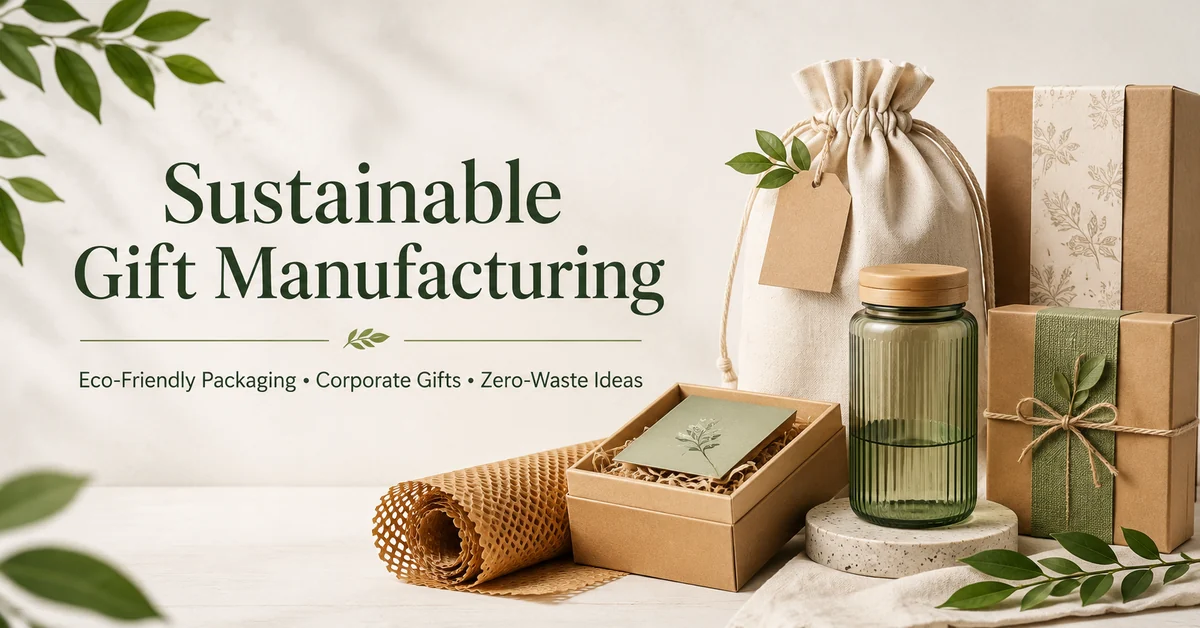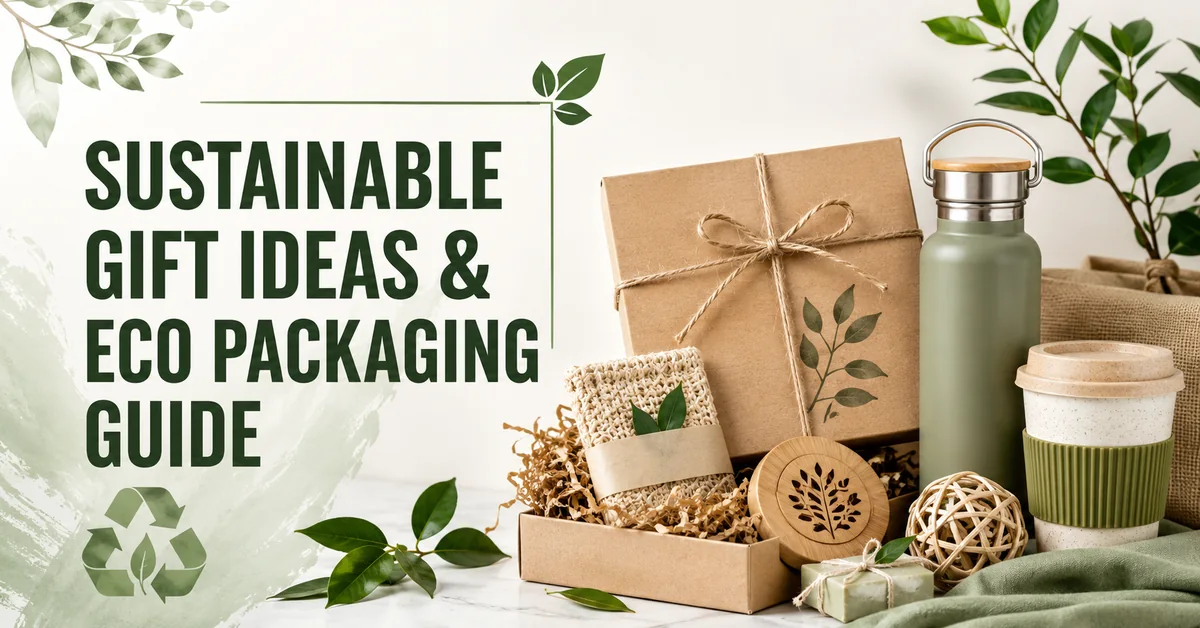

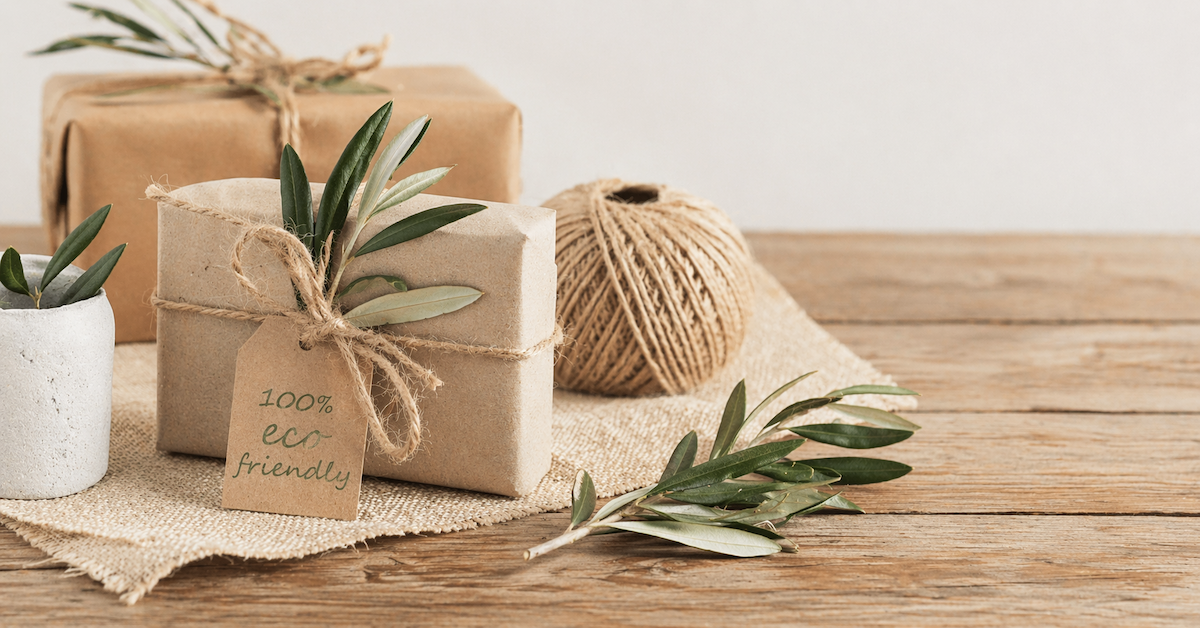

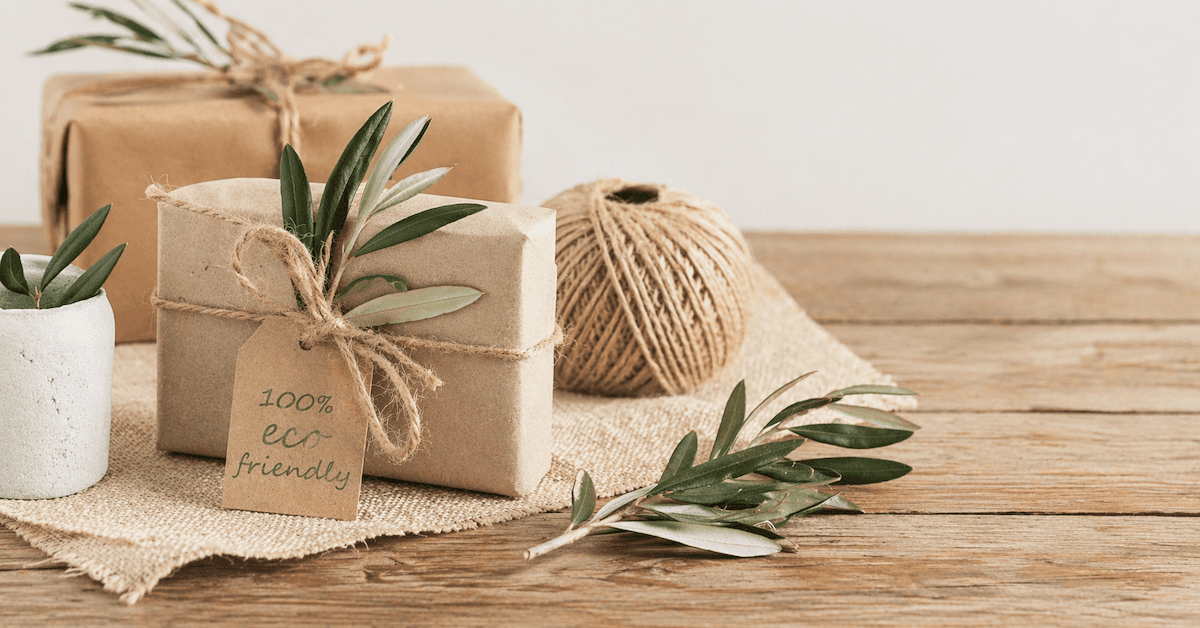
Sustainable gift ideas are becoming an important part of product development in the gift and home décor industry. Buyers are no longer evaluating products only by appearance, price, or delivery time. They also want to understand what materials are used, how the product is packaged, whether the packaging can be reduced or recycled, and whether the supplier can support a more responsible production approach.
For retailers, importers, brand owners, corporate gift buyers, and OEM/ODM sourcing teams, sustainability is no longer a simple marketing phrase. It affects product design, material selection, packaging structure, production efficiency, quality control, and brand storytelling.
At the same time, eco friendly packaging solutions are becoming a key part of how gift products are judged. A decorative product may look attractive, but if it uses excessive packaging or creates unnecessary waste, it may no longer match the expectations of modern buyers.
This guide explains how sustainable gift ideas, eco friendly packaging solutions, recycled material gifts, green gift manufacturing, and sustainable decorative packaging can work together to help B2B buyers build stronger, more responsible gift and home décor collections.
Why Sustainable Gift Ideas Matter in Modern Product Development
Sustainable gift ideas matter because the value of a gift is no longer limited to how it looks. Modern consumers want products that feel thoughtful, useful, durable, and responsible.
For brands and retailers, this creates both pressure and opportunity. The pressure comes from the need to improve sourcing, materials, packaging, and product communication. The opportunity comes from developing gift products that connect with customer values and create stronger emotional value.
What B2B Buyers Are Really Evaluating
B2B buyers are usually concerned with more than one sustainability factor. They may evaluate:
- Whether the product uses durable or reusable materials
- Whether recycled or responsibly sourced materials are available
- Whether packaging can be reduced without increasing breakage
- Whether the product can be used for a long time
- Whether sustainability claims can be supported
- Whether the supplier can control quality consistently
- Whether the product remains commercially attractive
A product should not lose its visual appeal because it is sustainable. The best sustainable gift ideas combine beauty, function, durability, and practical production feasibility.
How Sustainable Thinking Improves Gift Design
Sustainable thinking does not mean removing decoration or reducing product value. It means designing more carefully from the beginning.
A strong sustainable gift product should answer several product development questions:
- Can the same visual effect be achieved with fewer materials?
- Can the product be made more durable?
- Can unnecessary packaging layers be removed?
- Can mixed materials be simplified?
- Can the product be reused, displayed, or kept longer?
- Can the packaging protect the product while using smarter materials?
When these questions are considered early, sustainable gift ideas become more practical and more commercially useful.
Better Design Does Not Mean Less Attractive Design
Many buyers worry that sustainable products may look too plain or low value. This does not need to be the case.
Sustainable gift products can still feel premium when the supplier pays attention to:
- Product proportion
- Surface finish
- Material texture
- Color matching
- Packaging presentation
- Retail display
- Logo placement
- Gift-ready experience
For example, a glass ornament with a clean kraft gift box, a wooden photo frame with recycled paper packaging, or a decorative candle holder with a molded paper insert can still feel attractive and giftable.
Eco Friendly Packaging Solutions as a Brand Touchpoint
Eco friendly packaging solutions are important because packaging is often the first thing the customer sees and touches. It affects product protection, shelf presentation, brand value, and environmental perception.
Good packaging should not only reduce material. It should also protect the product, support retail display, and match the product’s price level.
What Makes Packaging More Responsible
Eco friendly packaging solutions may include:
- Kraft paper boxes
- Recycled paperboard
- Molded pulp inserts
- Paper sleeves
- Reusable cloth bags
- Corrugated dividers
- Plastic-reduced packaging
- Minimalist printed boxes
- Recyclable backing cards
- Reusable gift packaging
The best solution depends on the product type. A fragile glass item may need stronger protective packaging, while a small decorative accessory may only need a backing card or paper sleeve.
Balancing Protection, Presentation, and Sustainability
Packaging should never be reduced so much that it causes higher breakage. If a fragile gift product breaks during shipping, the result creates more waste, more cost, and a worse customer experience.
| Packaging goal | Practical solution | Buyer benefit |
|---|---|---|
| Reduce plastic use | Paper inserts, kraft boxes, molded pulp | Better sustainability positioning |
| Protect fragile products | Corrugated dividers or molded pulp inserts | Lower breakage risk |
| Improve retail value | Clean printed box or reusable gift box | Stronger shelf presentation |
| Reduce shipping volume | Compact structural packaging | Better carton efficiency |
| Support gifting | Gift-ready box, sleeve, or cloth bag | Higher perceived value |
| Improve recyclability | Paper-based packaging where suitable | Easier customer understanding |
Eco friendly packaging solutions should be reviewed during sampling, not after bulk production starts.
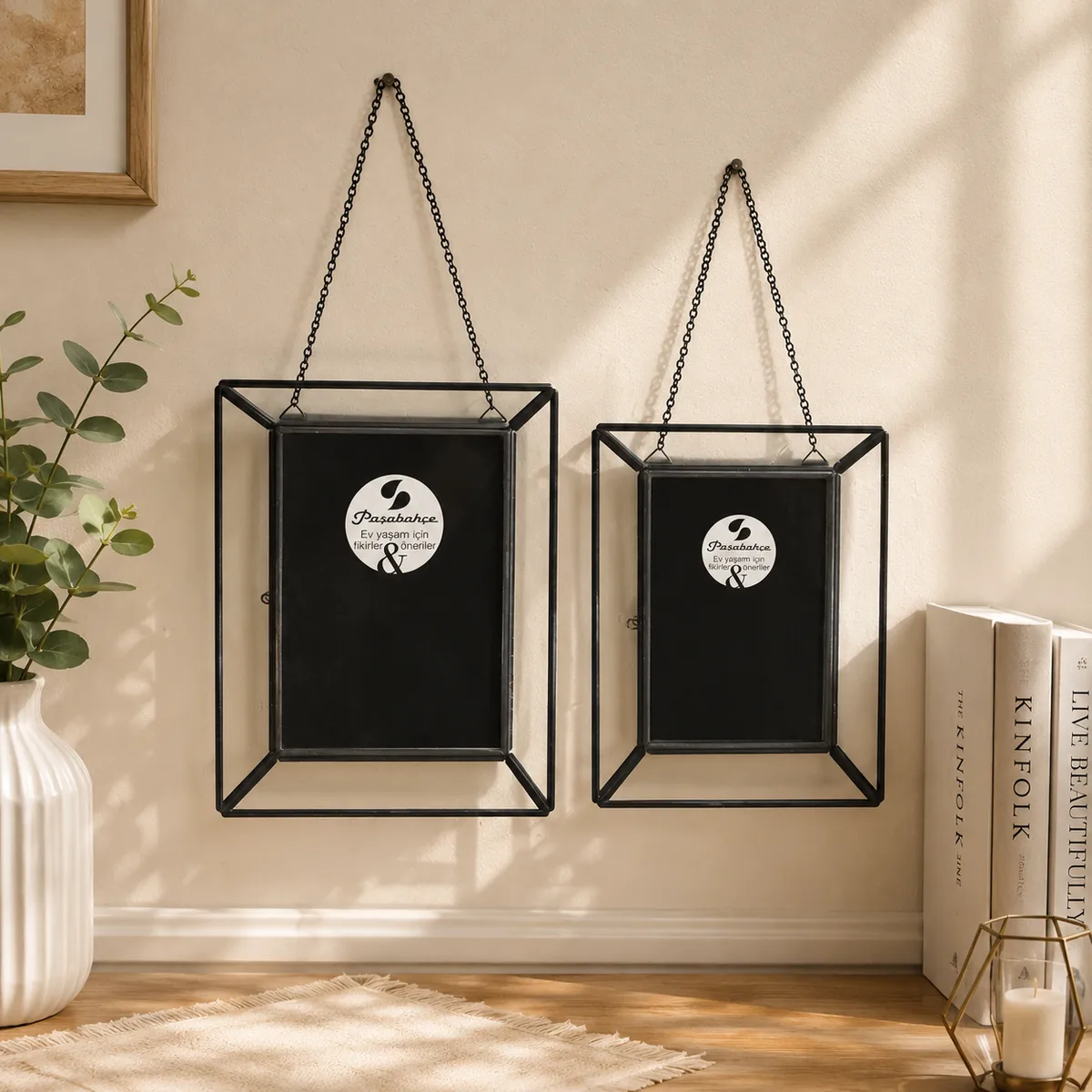
Recycled Material Gifts and Material Selection
Recycled material gifts are gaining attention because they offer a visible and practical sustainability story. They can help brands show that material choice is part of the product value.
However, recycled material gifts must be developed carefully. The product should still meet requirements for durability, appearance, safety, and quality consistency.
Common Material Directions for Sustainable Gifts
| Material direction | Suitable product type | Key consideration |
| Recycled paperboard | Gift boxes, sleeves, backing cards | Print quality and strength |
| Kraft paper | Packaging and display boxes | Suitable for natural branding |
| Glass | Ornaments, candle holders, drinkware | Durable and recyclable when properly handled |
| Wood or MDF | Photo frames, plaques, home décor | Surface finish and sourcing requirements |
| Reused or recycled metal | Souvenirs and decorative accessories | Finish consistency |
| Fabric | Reusable gift bags and pouches | Color, texture, and sewing quality |
| Molded pulp | Protective inserts | Fit and compression strength |
Not every product needs to use recycled material directly. In some cases, improving packaging, product durability, or material efficiency may be a more realistic first step.
Green Gift Manufacturing in OEM and ODM Production
Green gift manufacturing focuses on improving the production process, reducing unnecessary waste, and making products more efficient to produce without sacrificing quality.
For OEM and ODM gift suppliers, green manufacturing may include:
- Better material yield
- Reduced production scrap
- Simplified product structure
- More efficient assembly
- Reduced over-packaging
- Improved carton planning
- Better sample approval control
- More accurate order planning
- Fewer unnecessary revisions
Green gift manufacturing is not only an environmental idea. It can also support lower waste, better consistency, and improved production efficiency.
Why Supplier Capability Matters
A reliable manufacturer should help buyers understand what is realistic. Some material or packaging ideas may look good in concept but create higher cost, unstable quality, or long production delays.
A strong supplier should be able to explain:
- Which materials are suitable for the product
- Which packaging options can protect the item
- Which customization methods are practical
- Which claims should be avoided unless verified
- Which changes can reduce waste without affecting quality
- Which options may increase MOQ or lead time
This is especially important for seasonal gift products, where delivery timing is critical.
Sustainable Decorative Packaging for Gift and Home Décor Products
Sustainable decorative packaging is different from plain transport packaging. It must protect the product, look giftable, and support the brand story while using smarter materials or structures.
This is especially important for:
- Decorative ornaments
- Photo frames
- Candle holders
- Glass décor
- Tabletop gifts
- Seasonal gift sets
- Corporate gift collections
- Mixed-material home accents
How Decorative Packaging Can Stay Attractive
Sustainable decorative packaging can still feel premium through:
- Clean box structure
- High-quality paper texture
- Soft natural colors
- Simple printed graphics
- Reusable packaging format
- Paper inserts
- Minimal but elegant branding
- Gift-ready presentation
The goal is not to make packaging look unfinished. The goal is to make it feel intentional, responsible, and aligned with the product value.
Sustainable Gift Ideas for Seasonal Collections
Seasonal gifting can work well with sustainability when products are designed for reuse, collection, or longer emotional value.
Examples include:
- Reusable glass ornaments
- Collectible decorative pieces
- Gift boxes that can be reused
- Decorative candle holders
- Photo frames for seasonal memories
- Tabletop accents with year-round styling value
- Gift sets with reduced-plastic packaging
Seasonal products do not need to feel disposable. When designed well, they can become keepsakes, annual décor items, or reusable gift objects.
Seasonal Packaging Should Feel Festive but Not Wasteful
Sustainable decorative packaging can support seasonal collections through:
- Warm paper textures
- Recyclable gift boxes
- Reusable fabric bags
- Paper-based inserts
- Reduced plastic windows
- Simple holiday graphics
- Compact carton structures
This allows brands to keep the emotional appeal of seasonal gifting while reducing unnecessary packaging complexity.
Building a Sustainable Gift Product Strategy
A practical sustainable product strategy should connect product design, material selection, packaging, production, and communication.
Step One: Review the Product Purpose
Buyers should first confirm what the product is meant to do.
Is it a retail gift, corporate gift, seasonal decoration, promotional item, or home décor product?
The answer affects material, packaging, customization, and price level.
Step Two: Select Realistic Material Options
Buyers should choose materials that support both product appeal and production stability.
Material selection should consider:
- Appearance
- Durability
- Cost
- MOQ
- Surface finish
- Packaging needs
- Compliance requirements
- Sustainability positioning
Step Three: Develop Packaging Early
Packaging should be developed together with the product sample. This avoids late changes, carton problems, and protection risks.
Step Four: Confirm Claims Carefully
Sustainability claims should be specific and supportable. Avoid broad claims that cannot be verified.
Better descriptions include:
- Recyclable paper packaging
- Kraft paper gift box
- Reusable fabric pouch
- Plastic-reduced packaging
- Durable reusable glass product
- Molded pulp protective insert
Step Five: Approve the Golden Sample
The final approved product and packaging should become the golden sample for bulk production.
Common Risks in Sustainable Gift Development
| Risk | Common cause | Recommended control |
| Vague sustainability claims | No clear material or packaging basis | Use specific and supportable descriptions |
| Weak packaging protection | Packaging reduced too much | Test packaging with finished samples |
| Higher cost than expected | Special materials added late | Review cost during product brief stage |
| MOQ misunderstanding | Material or packaging minimums not confirmed | Confirm MOQ before sampling |
| Late delivery | Packaging approval starts too late | Develop packaging during sampling |
| Poor gift presentation | Packaging looks too plain for the product | Balance sustainability and brand value |
| Product inconsistency | No approved physical sample | Retain golden sample |
| Breakage during shipping | Fragile product lacks proper inserts | Use suitable protective packaging |
Sustainable product development requires balance. Buyers should improve responsibility while still protecting quality, visual value, and delivery reliability.
How to Choose a Sustainable Gift Manufacturer
Before selecting a supplier, buyers should ask:
- What sustainable gift ideas can the supplier support?
- What recycled material gifts or material alternatives are available?
- Can the supplier provide eco friendly packaging solutions?
- Can the supplier develop sustainable decorative packaging?
- How does the supplier support green gift manufacturing?
- Can samples be made before bulk production?
- How are packaging protection and carton strength tested?
- What affects MOQ and lead time?
- How are colors, finishes, and materials approved?
- Can the supplier support OEM and ODM development?
- Can the supplier manage seasonal or mixed-SKU gift programs?
- What information is needed for an accurate quotation?
A good supplier should give practical recommendations and explain trade-offs clearly.
Frequently Asked Questions About Sustainable Gift Ideas
What Are Sustainable Gift Ideas?
Sustainable gift ideas are gift products developed with attention to material choice, durability, usability, packaging efficiency, and reduced unnecessary waste.
What Are Eco Friendly Packaging Solutions?
Eco friendly packaging solutions include kraft boxes, recycled paperboard, molded pulp inserts, paper sleeves, reusable bags, corrugated dividers, and plastic-reduced packaging.
What Are Recycled Material Gifts?
Recycled material gifts are products or gift components made with recycled or reused materials, such as recycled paper packaging, recycled-content components, or reused decorative materials where suitable.
What Is Green Gift Manufacturing?
Green gift manufacturing focuses on reducing waste, improving material efficiency, simplifying production, reducing unnecessary packaging, and supporting more responsible production planning.
What Is Sustainable Decorative Packaging?
Sustainable decorative packaging is gift-ready packaging designed to look attractive while using smarter materials, simpler structures, reduced plastic, or reusable formats.
Can Sustainable Gift Products Still Look Premium?
Yes. Sustainable gift products can look premium when the material, surface finish, color, structure, packaging, and presentation are carefully designed.
Does Eco Friendly Packaging Increase Cost?
It depends on the material, structure, printing method, quantity, and protection requirements. Some simple paper-based solutions can be cost-efficient when planned early.
How Can Buyers Avoid Unsupported Sustainability Claims?
Buyers should use specific descriptions based on actual materials, packaging structures, durability, or supplier documentation instead of broad claims.
Can HoeGifts Support Sustainable Gift Development?
Yes. HoeGifts supports sustainable gift ideas, eco friendly packaging solutions, recycled material gift options, sustainable decorative packaging, OEM/ODM development, sampling, packaging, and quality control.
What Information Should Buyers Provide for a Quotation?
Buyers should provide product references, quantity, material preference, customization needs, packaging requirements, sustainability expectations, target market, and delivery date.
Conclusion: Sustainability Creates Better Gift Product Opportunities
Sustainable gift ideas, eco friendly packaging solutions, recycled material gifts, green gift manufacturing, and sustainable decorative packaging are reshaping how modern gift products are designed, packaged, and sourced.
For B2B buyers, sustainability should not be treated as an afterthought. It should guide product development from the first brief through material selection, packaging design, sampling, production, quality control, and final shipment.
The best sustainable gift products are not only responsible. They are attractive, useful, well packaged, commercially practical, and easy for customers to understand.
As a gift and home décor manufacturer, HoeGifts supports global buyers with sustainable product development, eco friendly packaging options, OEM/ODM customization, sample production, quality inspection, and scalable manufacturing.
Contact HoeGifts with your product idea, target market, quantity, material preference, packaging requirements, and delivery schedule to receive a feasibility review and quotation.