

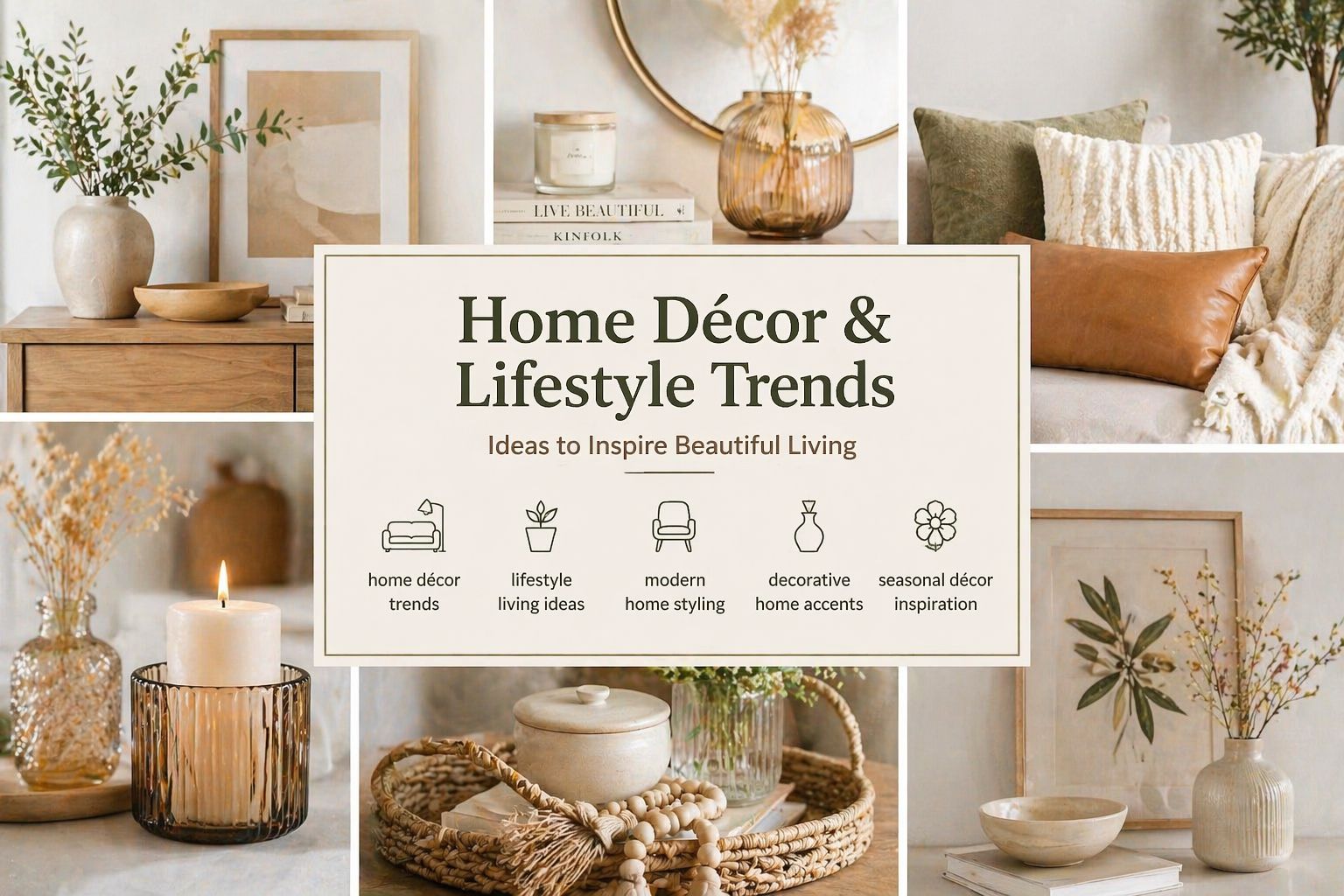
Home décor trends are changing because consumers now see the home as more than a place to live. They want spaces that reflect mood, identity, comfort, routine, and personal taste. For brands, retailers, importers, and home décor manufacturers, this shift makes product development more strategic than ever.
A decorative product is no longer judged only by its shape or price. Buyers now consider how the product fits into real homes, how it supports modern home styling, how easily it can be displayed, and whether it can inspire repeat seasonal purchases.
This is why lifestyle living ideas, decorative home accents, and seasonal décor inspiration have become important tools for building stronger home and gift collections.
For B2B buyers, the opportunity is clear. Products that connect with daily living, emotional value, and flexible styling are more likely to perform across retail displays, online stores, seasonal campaigns, and private-label programs.
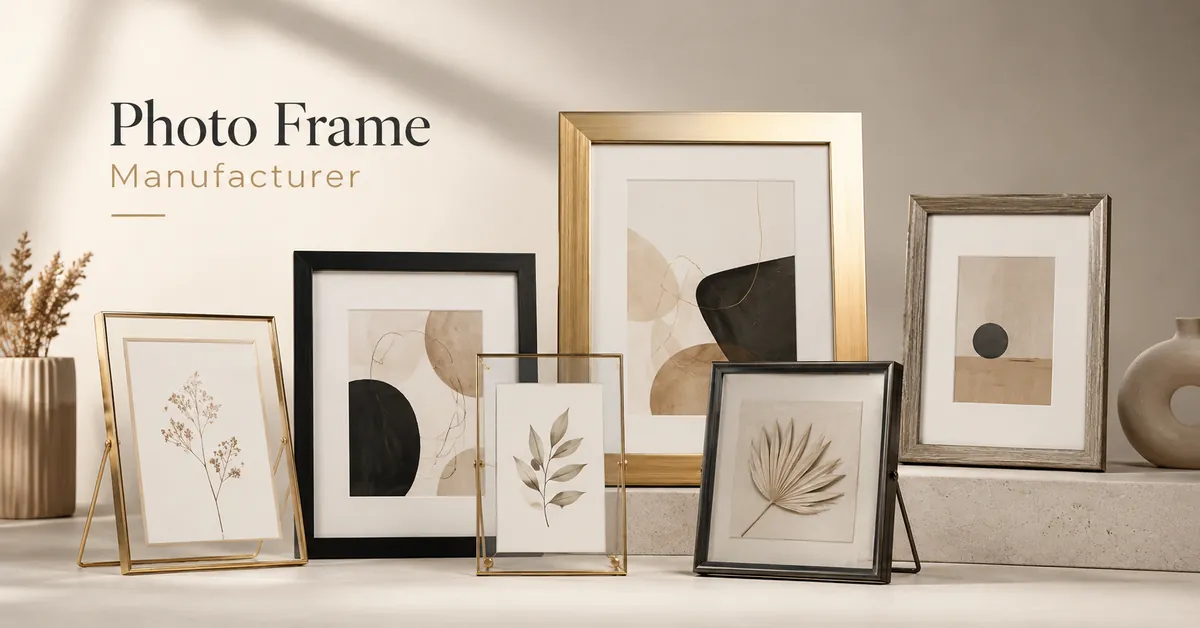
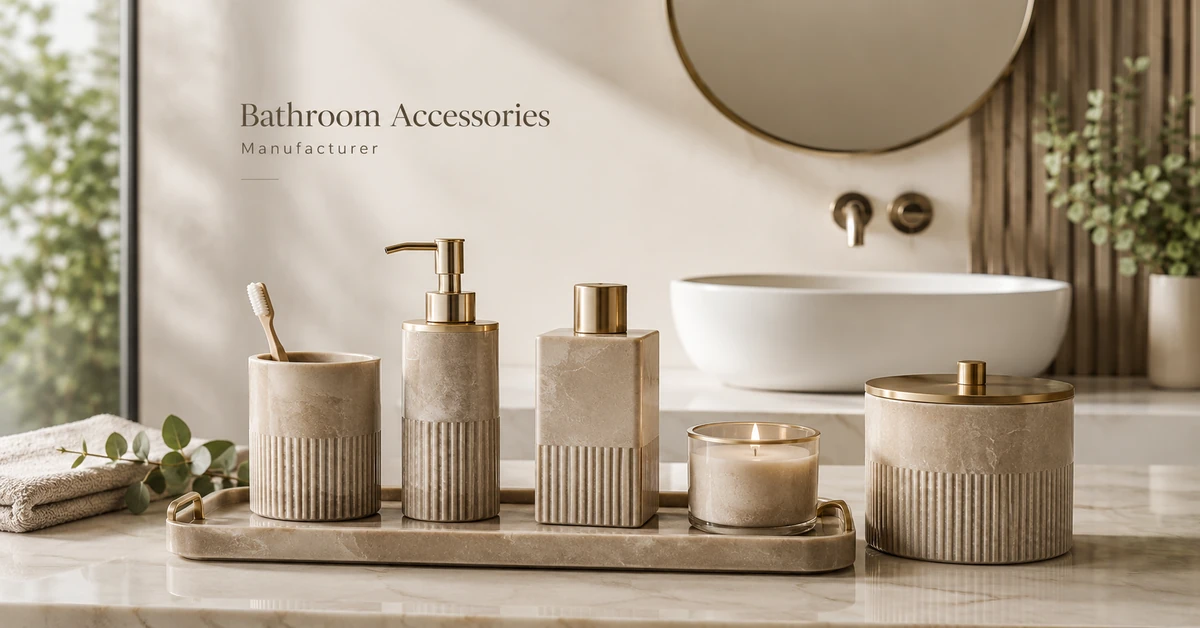
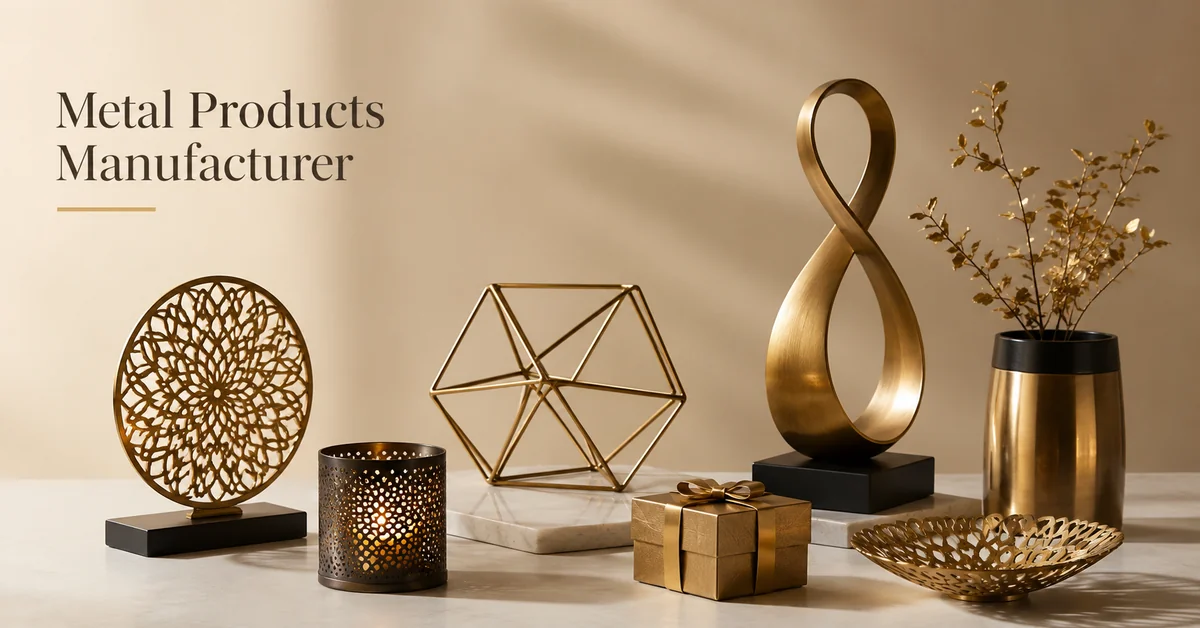
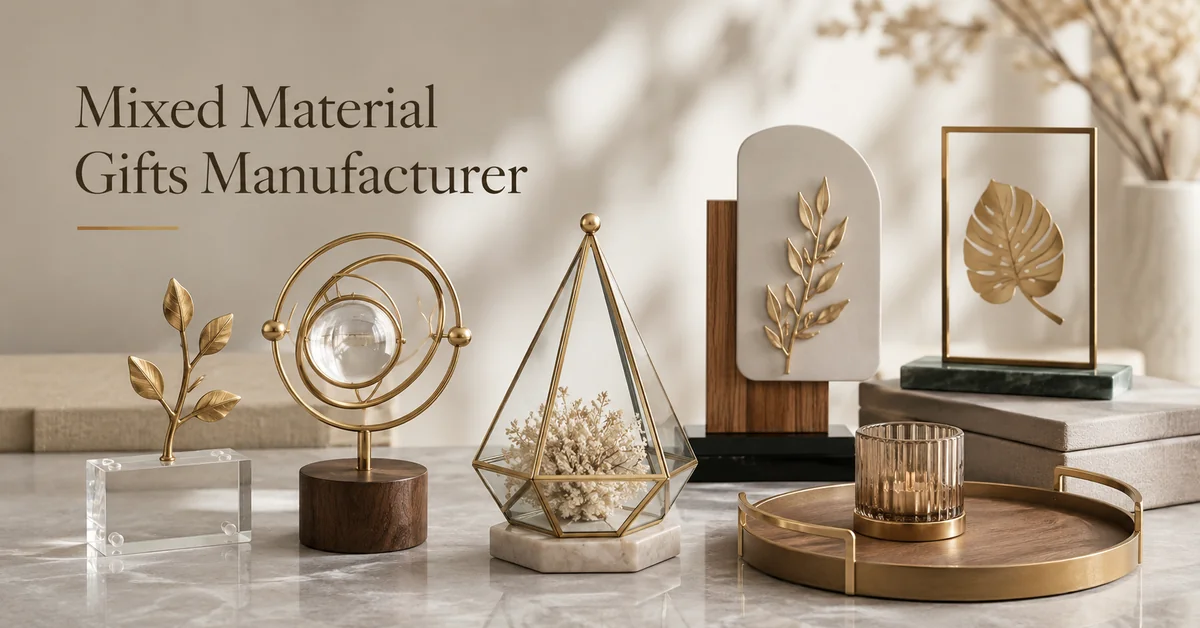
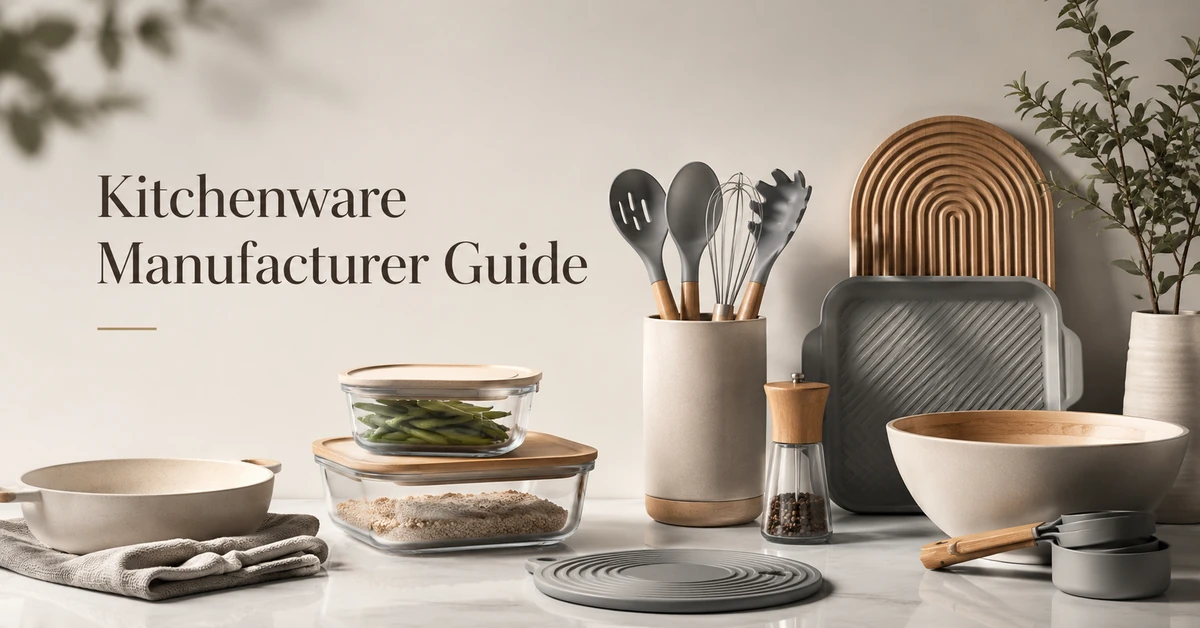
As a gift and home décor manufacturer, HoeGifts supports global buyers with decorative home accents, seasonal décor products, glass décor, photo frames, ornaments, tabletop accessories, and customized home gift collections.
This guide explains how home décor trends can be translated into practical product planning, collection development, OEM/ODM design, packaging, and merchandising strategies.
What Are Home Décor Trends?
Home décor trends are the design directions that influence how consumers decorate, refresh, and personalize their living spaces.
They may affect:
- Color palettes
- Materials
- Product shapes
- Surface finishes
- Decorative themes
- Seasonal collections
- Packaging style
- Retail display
- Lifestyle photography
- Gift positioning
For B2B buyers, home décor trends should not be followed blindly. A trend only becomes valuable when it can be turned into a product that is attractive, manufacturable, easy to package, and suitable for the target market.
How Can B2B Buyers Use Home Décor Trends?
B2B buyers can use home décor trends by connecting market direction with lifestyle living ideas, modern home styling, decorative home accents, and seasonal décor inspiration. Instead of developing isolated products, buyers should build collections around real home settings, emotional use cases, flexible styling, seasonal refresh, and scalable production requirements.
Key Takeaways for Home Décor Buyers
- Home décor trends are increasingly connected to comfort, self-expression, and daily routines.
- Lifestyle living ideas help buyers understand how products fit into real spaces and real moments.
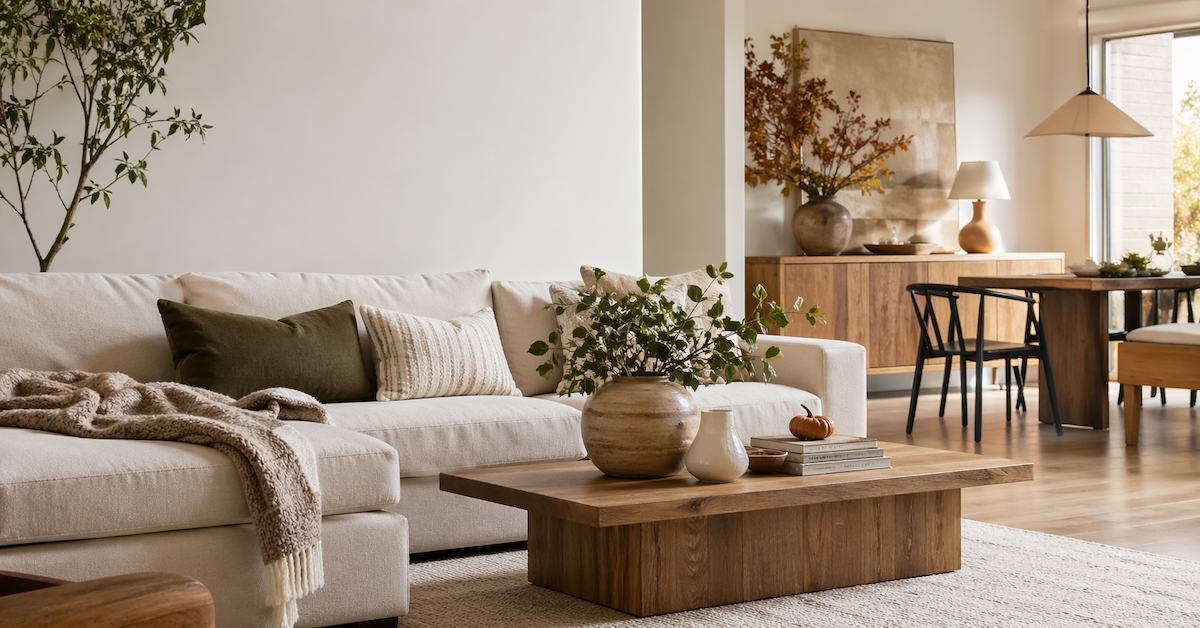
- Modern home styling favors clean design, warm details, soft textures, and flexible decorative pieces.
- Decorative home accents are strong product categories because they are giftable, display-friendly, and easy to refresh.
- Seasonal décor inspiration helps brands create repeat purchase opportunities throughout the year.
- Successful collections should balance visual appeal, manufacturability, packaging, and retail presentation.
Why the Home Has Become a Lifestyle Statement
The home has become a lifestyle statement because consumers increasingly use interiors to express identity, values, comfort, and mood.
Remote work, social media, wellness culture, and flexible living habits have all changed how people think about home spaces. Consumers are paying more attention to corners, shelves, tabletops, entryways, bedrooms, and small decorative zones that support daily rituals.
This creates demand for products that are not only decorative but also emotionally relevant.
Examples include:
- A photo frame that supports family memories
- A candle holder that creates a calm evening atmosphere
- A glass ornament that adds seasonal warmth
- A decorative tray that organizes a coffee table
- A small tabletop object that completes a styled shelf
These products may be small, but they help define how a room feels.
Reading the Market Through Home Décor Trends
Current home décor trends are moving toward warmth, softness, texture, and personal expression.
Consumers still appreciate clean design, but they do not want rooms that feel cold, empty, or overly staged. They want interiors that feel relaxed, layered, and livable.
Important design directions include:
- Warm neutral colors
- Soft green tones
- Muted blue shades
- Clay and terracotta colors
- Natural wood finishes
- Frosted or clear glass
- Matte surfaces
- Mixed materials
- Gentle curves
- Textured details
- Subtle metallic accents
For product developers, the key is to create items that feel current but not too limited. A product should stand out, but it should also be easy to place in different home environments.
Home Décor Trend Direction Table
| Trend direction | Product application | Buyer value |
|---|---|---|
| Warm neutrals | Candle holders, frames, trays, tabletop décor | Easy to match different interiors |
| Natural materials | Wood, MDF, glass, metal, and mixed-material accents | Supports organic and relaxed styling |
| Soft textures | Matte finishes, frosted glass, ribbed details | Adds depth without visual clutter |
| Compact decorative pieces | Ornaments, small frames, magnets, tabletop accents | Easy to display and gift |
| Seasonal color updates | Holiday ornaments, seasonal accents, display products | Supports repeat collection refresh |
| Mixed-material design | Glass with metal, wood with acrylic, paper with fabric | Creates stronger visual interest |
A trend becomes commercially useful when it can be adapted into practical product formats.
Lifestyle Living Ideas as a Product Strategy
Lifestyle living ideas help brands move beyond product categories and focus on how people actually use decorative products.
Instead of asking only, “What product should we launch?” buyers can ask:
- What home moment does this product support?
- What mood should the product create?
- Where will the customer place it?
- How will it be photographed?
- Can it work as both décor and gift?
- Can it support seasonal or year-round display?
This thinking helps turn a product into a scene and a scene into a purchasing reason.
Examples of Lifestyle Living Ideas
| Lifestyle idea | Suitable product direction | Possible collection use |
| Calm evening home | Candle holders, glass décor, soft color accents | Wellness-inspired décor |
| Family memory corner | Photo frames, tabletop plaques, keepsake ornaments | Gift and home collections |
| Seasonal entryway | Hanging ornaments, small trays, decorative accents | Holiday merchandising |
| Coffee table styling | Bowls, trays, small decorative objects | Living room décor |
| Home office refresh | Frames, desktop gifts, small accents | Corporate and lifestyle gifts |
| Gift-ready home décor | Boxed decorative items, ornaments, sets | Retail and corporate gifting |
Lifestyle-based development makes products easier to market because customers can quickly imagine where and how to use them.
Modern Home Styling and the New Definition of Elegance
Modern home styling is no longer about highly formal interiors. It is now more relaxed, warm, and personal.
Consumers want products that look refined but still feel approachable. This creates opportunities for decorative items with simple forms, thoughtful proportions, soft finishes, and subtle detail.
Modern home styling often includes:
- Clean silhouettes
- Gentle curves
- Matte finishes
- Transparent or frosted glass
- Warm metallic details
- Natural textures
- Balanced color palettes
- Minimal but meaningful decoration
For home décor buyers, this means product value often comes from proportion, finish, and styling compatibility rather than excessive decoration.
A simple glass candle holder, a well-finished photo frame, or a compact tabletop ornament can feel premium if the shape, color, material, and packaging are handled correctly.
Decorative Home Accents as Flexible Product Categories
Decorative home accents are important because they allow consumers to update a room without replacing major furniture.
They are smaller, easier to purchase, easier to gift, and easier to rotate throughout the year.
Common decorative home accents include:
- Candle holders
- Vases
- Glass décor
- Photo frames
- Tabletop ornaments
- Decorative trays
- Hanging ornaments
- Fridge magnets
- Small plaques
- Seasonal display pieces
- Giftable home accessories
These products work well for both retail and wholesale because they can be merchandised in many ways.
They may appear in:
- Gift sections
- Home décor displays
- Seasonal collections
- Corporate gift programs
- Online product bundles
- Private-label assortments
- Lifestyle photography scenes
How to Develop Decorative Home Accents
A strong decorative home accent should be visually distinctive but easy to style.
Buyers should consider:
| Development factor | What to confirm |
| Product size | Suitable for shelves, tables, gift boxes, and retail display |
| Material | Matches target price, style, and durability requirements |
| Color | Fits current home décor trends and collection theme |
| Surface finish | Supports perceived value and styling compatibility |
| Function | Decorative only or decorative plus practical use |
| Packaging | Suitable for gifting, retail, or export protection |
| MOQ | Matches category, material, and customization needs |
| Repeatability | Can the product be reordered with consistent appearance? |
The best decorative home accents are not over-designed. They should be flexible enough to work across different rooms, seasons, and retail stories.
Seasonal Décor Inspiration and Collection Refresh
Seasonal décor inspiration remains powerful because consumers enjoy refreshing their homes throughout the year.
Seasonal products help people mark moments such as:
- Christmas
- Easter
- Spring refresh
- Summer hosting
- Autumn styling
- Winter gatherings
- Weddings
- Anniversaries
- Family celebrations
- Corporate holiday gifting
However, seasonal décor is becoming more refined. Many buyers now prefer products that suggest a season through color, material, texture, and mood instead of relying only on obvious motifs.
For example:
- Frosted glass can suggest winter softness.
- Warm metallic finishes can support holiday displays.
- Natural wood tones can fit autumn collections.
- Soft pastels can support spring gifting.
- Clear glass can work across year-round and seasonal décor.
This approach helps seasonal products remain useful for a longer period.
Seasonal Décor Product Planning
| Season or occasion | Product direction | Styling idea |
| Christmas | Glass ornaments, candle holders, decorative gift sets | Warm, festive, gift-ready |
| Spring | Pastel frames, floral accents, light glass décor | Fresh, soft, renewal-focused |
| Summer | Clear glass, coastal tones, simple tabletop décor | Bright, relaxed, open |
| Autumn | Warm colors, wood textures, candle accessories | Cozy and layered |
| Weddings | Photo frames, keepsake décor, boxed gifts | Elegant and emotional |
| Corporate gifting | Custom décor, drinkware, gift sets | Branded but refined |
Seasonal décor inspiration helps buyers create collections that encourage repeat purchasing and annual product updates.
Bringing the Five Themes Together
The strongest home and gift collections combine five connected themes:
- Home décor trends
- Lifestyle living ideas
- Modern home styling
- Decorative home accents
- Seasonal décor inspiration
Together, these themes help buyers build products that are visually current, emotionally relevant, commercially practical, and easy to merchandise.
Integrated Collection Development Model
| Theme | Role in product development |
| Home décor trends | Defines market direction |
| Lifestyle living ideas | Defines use context and emotional value |
| Modern home styling | Defines visual language |
| Decorative home accents | Defines product format |
| Seasonal décor inspiration | Defines refresh timing and collection story |
This model helps buyers avoid random product selection. It also gives manufacturers a clearer brief for material, finish, packaging, and production planning.
OEM and ODM Development for Home Décor Collections
For OEM and ODM home décor projects, clear product positioning is essential.
OEM Development
OEM is suitable when the buyer already has:
- Product drawings
- Reference samples
- Artwork
- Packaging design
- Product specifications
- Material requirements
The supplier produces according to the approved design and quality standard.
ODM Development
ODM is suitable when the buyer has:
- A collection concept
- A target market
- A lifestyle theme
- A seasonal direction
- A price range
- A brand style
The supplier helps develop product ideas, materials, shapes, samples, packaging, and production details.
For home décor collections, ODM support is especially useful when buyers want to turn broad lifestyle concepts into real products.
Product Development Workflow for Decorative Home Accents
A practical workflow helps buyers reduce design changes, sampling delays, and quality issues.
Product Brief
The buyer should confirm:
- Target market
- Product category
- Home décor trend direction
- Lifestyle scene
- Seasonal use
- Material preference
- Size range
- Color direction
- Packaging style
- Quantity
- Delivery date
Design and Feasibility Review
HoeGifts reviews:
- Product structure
- Material suitability
- Surface finish
- Decoration method
- Packaging protection
- MOQ
- Lead time
- Production risks
Sample Development
A sample is created to confirm:
- Shape
- Size
- Color
- Material
- Finish
- Decoration
- Packaging fit
- Overall style
Golden Sample Approval
After revisions, the approved sample becomes the standard for bulk production.
Bulk Production and Quality Control
Production follows the approved specification, and inspection checks appearance, color, finish, packaging, and order accuracy.
Packaging for Home Décor and Gift Products
Packaging is important because decorative products are often purchased as gifts or displayed in retail environments.
Packaging should:
- Protect the product
- Match the product value
- Support retail presentation
- Fit the brand style
- Reduce breakage
- Allow barcode or label placement
- Support online or offline sales channels
Common packaging options include:
- White box
- Color box
- Kraft box
- Window box
- Gift box
- Insert tray
- Paper sleeve
- Hang tag
- Backing card
- Export carton
For fragile decorative home accents, packaging should be tested with the final product, especially if the item includes glass, metal, or delicate surface finishes.
Quality Control for Decorative Home Accents
Quality control should cover both appearance and packaging.
| Inspection area | What to check |
| Material | Matches approved specification |
| Color | Consistent with approved sample |
| Surface finish | No obvious scratches, stains, or uneven areas |
| Shape | Correct dimension and proportion |
| Decoration | Accurate position, pattern, logo, or finish |
| Assembly | Components are secure and aligned |
| Packaging | Product is protected and presentation is correct |
| Carton | Correct quantity, label, and shipping mark |
| Final standard | Compared with approved golden sample |
For home décor products, small visual defects can affect perceived value. This makes sample approval and final inspection especially important.
Common Risks in Home Décor Product Development
| Risk | Common cause | Recommended control |
| Product looks attractive but is hard to style | Design ignores real home placement | Develop around lifestyle living ideas |
| Trend becomes too narrow | Product follows only a short-term style | Use broader home décor trends |
| Packaging damage | Packaging tested too late | Approve packaging during sampling |
| Color inconsistency | No physical color standard | Retain golden sample |
| Overly seasonal design | Product works for only one short event | Use subtle seasonal décor inspiration |
| Low perceived value | Finish or packaging does not match price | Improve material, surface, and presentation |
| Production delay | Too many late design changes | Confirm brief before sampling |
| Poor retail display | Product size or packaging not planned | Review display and photography needs early |
A reliable manufacturer should help buyers identify these risks before bulk production begins.
How to Choose a Home Décor Manufacturer
Before selecting a supplier, buyers should ask:
- What decorative home accent categories can the supplier support?
- Can the supplier support OEM and ODM development?
- What materials are available?
- Can the supplier help develop seasonal décor collections?
- Can the supplier create samples before bulk production?
- How are colors and finishes approved?
- What packaging options are available?
- How is fragile product protection managed?
- What affects MOQ and lead time?
- How is quality controlled?
- Can the supplier manage mixed-SKU collections?
- Can the supplier support private-label packaging?
A strong supplier should understand both product manufacturing and visual presentation.
Frequently Asked Questions About Home Décor Trends
What Are Home Décor Trends?
Home décor trends are design directions that influence colors, materials, shapes, finishes, styling, and decorative product choices for modern interiors.
Why Are Lifestyle Living Ideas Important?
Lifestyle living ideas help buyers understand how products fit into real spaces, daily routines, emotional moments, and visual merchandising scenes.
What Is Modern Home Styling?
Modern home styling focuses on clean design, warm details, soft textures, balanced colors, and flexible decorative pieces that feel refined but livable.
What Are Decorative Home Accents?
Decorative home accents are small décor products such as candle holders, vases, frames, glass décor, trays, tabletop ornaments, and seasonal display pieces.
What Is Seasonal Décor Inspiration?
Seasonal décor inspiration refers to design ideas that help consumers refresh their homes for holidays, seasons, celebrations, and special occasions.
Can HoeGifts Support Custom Home Décor Development?
Yes. HoeGifts supports OEM and ODM development for decorative home accents, seasonal décor products, glass décor, ornaments, photo frames, and gift collections.
What Materials Are Common for Decorative Home Accents?
Common materials include glass, wood, MDF, metal, zinc alloy, resin, acrylic, paperboard, and mixed-material combinations.
What Should Buyers Confirm Before Sampling?
Buyers should confirm target market, product category, size, material, color, finish, packaging, quantity, customization needs, and delivery date.
How Can Buyers Reduce Product Development Risks?
Buyers can reduce risks by creating a clear brief, approving samples, testing packaging, retaining golden samples, and confirming MOQ and lead time early.
What Information Is Needed for a Quotation?
Buyers should provide product references, quantity, material preference, size, color, customization details, packaging requirements, target market, and delivery date.
Conclusion: Home Décor Trends Create Stronger Product Opportunities
Home décor trends, lifestyle living ideas, modern home styling, decorative home accents, and seasonal décor inspiration are shaping how consumers choose products for their homes.
For B2B buyers, these themes are not only creative concepts. They are practical tools for developing collections that feel relevant, giftable, display-friendly, and commercially scalable.
The strongest home décor products are beautiful, easy to style, practical to manufacture, well packaged, and emotionally connected to real living spaces.
As a gift and home décor manufacturer, HoeGifts supports global buyers with decorative product development, OEM/ODM customization, seasonal collection planning, packaging solutions, quality control, and scalable production.
Contact HoeGifts with your home décor product idea, target market, material preference, quantity, packaging needs, and delivery schedule to receive a feasibility review and quotation.